
Unbiased headlines. Facts, not spin.
Every story is an unbiased news briefing written from 110+ sources across the spectrum — sources linked so you can verify it yourself.
 finance
Breaking / Critical (9/10)
July 24, 2026 at 08:23 AM
finance
Breaking / Critical (9/10)
July 24, 2026 at 08:23 AM
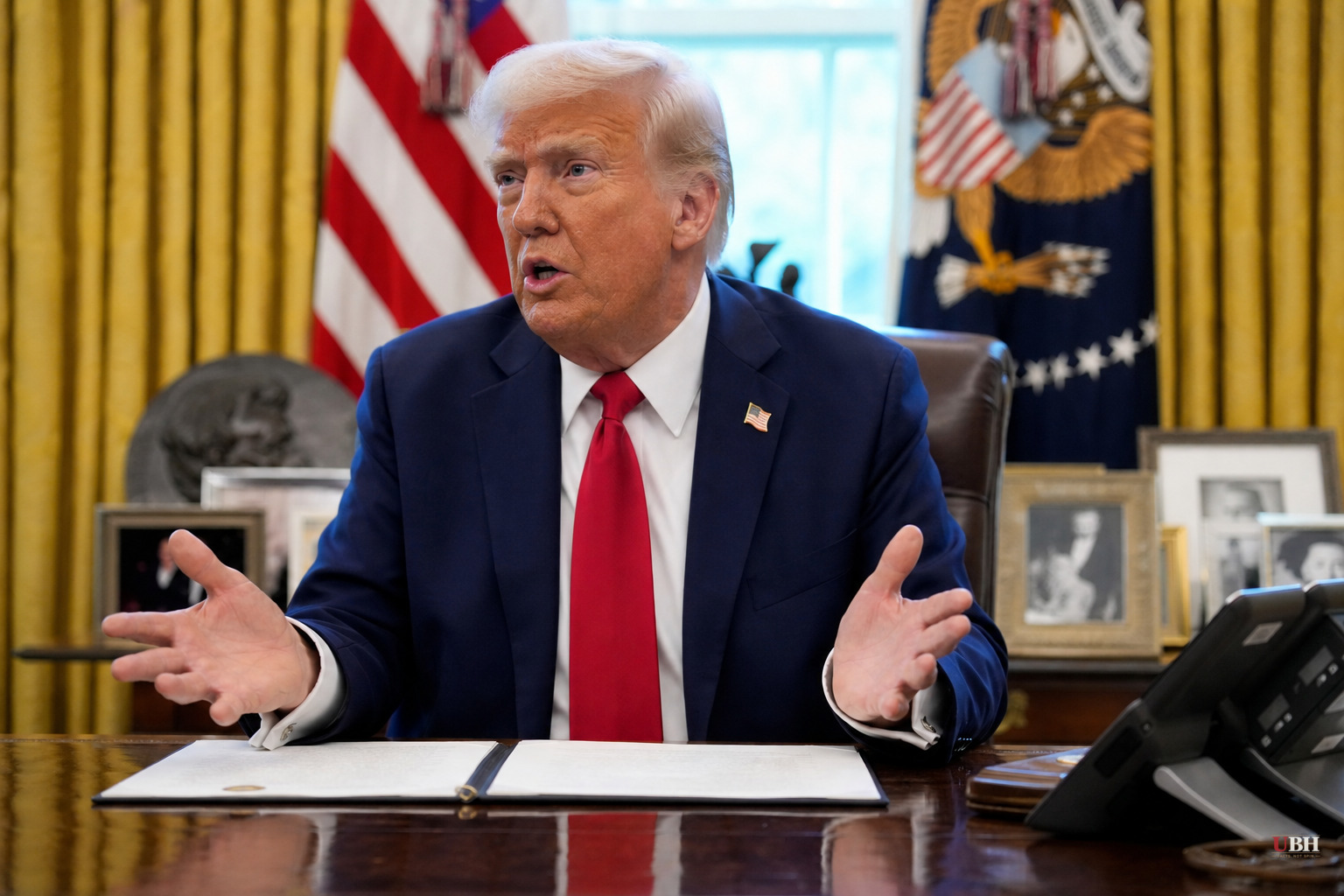
Trump Says Frozen Iranian Assets Will Cover Ship Damage as US Strikes Iran for 13th Straight Night
13 nights and counting
US Central Command confirmed strikes on Iran for the 13th consecutive night, hitting what it described as military command centers, drone storage facilities, communication networks, coastal surveillance sites and maritime capabilities, according to the BBC. Iranian state media reported four people killed and five wounded, with explosions reported at Bandar Abbas, Qeshm Island, Ahvaz and Omidiyeh, according to reporting from The New Region.
The strikes are Washington's response to what it says were Iranian attacks on commercial shipping in the Strait of Hormuz, a claim that blew up a 14-point Memorandum of Understanding signed in mid-June. That deal was supposed to halt military operations, reopen the Strait, and set a 60-day clock for a permanent settlement. Three weeks in, Trump declared the ceasefire "over."
Trump's new twist: seized money pays the bill
Early Friday, Trump posted on Truth Social that "any and all damages done to Ships, Cargo, or anything related thereto, will be paid for by Iranian Money that the United States has in its possession, and controls." He called the amount potentially "very substantial" and framed it as "the fair and equitable thing to do."
This is a real shift from the original MOU. Point 11 of that agreement committed the US to making frozen Iranian funds "fully available for use" to Iran, according to the BBC's reporting on the document's text. Trump is now proposing to use that same money for the opposite purpose: paying out damages tied to the war, not releasing it back to Tehran. He didn't identify the specific source of the funds, though billions of dollars in Iranian assets remain frozen under American sanctions, according to Anadolu Agency. No formal mechanism has been announced.
Iran's pushback, and why it's not just theater
Foreign Minister Abbas Araghchi didn't hold back. "Seizing another nation's assets to pay for unrelated future claims is an incendiary precedent," he wrote on X, according to Anadolu Agency (aa.com.tr). "Those who celebrate or profit from such funds should remember: once governments normalize confiscation, no one's assets are safe. Ensuing chaos will not be pretty or peaceful."
Araghchi's point raises a substantive issue separate from the war itself. Unilaterally redirecting a sovereign nation's frozen assets to cover damages nobody has yet quantified, without any adjudicated claim or international tribunal ruling, breaks from how asset freezes have typically worked. Frozen doesn't traditionally mean confiscated. Critics of this approach, even ones who have no sympathy for Tehran, could reasonably ask what legal process determines the damage amount, who verifies it, and what stops this from becoming a template any administration could use against any country holding assets in US jurisdiction. Trump has offered no legal framework, no court, no third-party assessment. Just a Truth Social post.
Iran isn't a neutral complainant here. The funds in question were frozen under sanctions tied to Iran's own conduct, and the US is not proposing to seize new assets, just repurpose money already restricted. Whether that distinction satisfies international law is an open question nobody has adjudicated.
Red Sea spillover and the oil price shock
Yemen's Houthis, an Iran-backed group, claimed attacks on two Saudi oil tankers in the Red Sea this week. Trump had already warned that further Houthi attacks would trigger "major military punishment" against both the Houthis and Iran directly, treating the Houthis as an Iranian proxy rather than an independent actor.
The market reaction has been sharp. Crude oil pushed back above $100 a barrel, the highest since May, according to the BBC. Reuters ship-tracking data cited by the BBC showed only one tanker transited the Strait of Hormuz on Thursday, July 24, the lowest transit volume since May 7. That's a chokepoint that normally carries a significant share of global oil supply grinding nearly to a halt.
Regional alarm bells
Bahrain's Interior Ministry activated air sirens, and Iranian state media reported alarms sounding in Jordan as well, according to the BBC. None of the diplomatic activity around the conflict has produced a ceasefire.
Unresolved questions
No court, tribunal, or international body has weighed in on whether Trump's asset-seizure plan is legally sound, and no dollar figure has been attached to it yet. The MOU's 60-day window for a permanent settlement has already been blown past by the resumed strikes, and there's no public indication the US and Iran are back at any negotiating table. Whether the frozen-assets plan accelerates a resolution or just gives Tehran another grievance to point to is something only the next round of strikes, or the next diplomatic move, will answer.
Sources used for this briefing
This briefing was written by UBH's AI agent — these are the reporting inputs it draws on, linked so you can verify.


