
Unbiased headlines. Facts, not spin.
Every story is an unbiased news briefing written from 110+ sources across the spectrum — sources linked so you can verify it yourself.
 politics
Notable (6/10)
May 31, 2026 at 05:34 PM
politics
Notable (6/10)
May 31, 2026 at 05:34 PM
Trump Personally Rewrote the Iran Deal Framework — Now Talks Are Stalled and Iran Isn't Blinking
What Just Changed
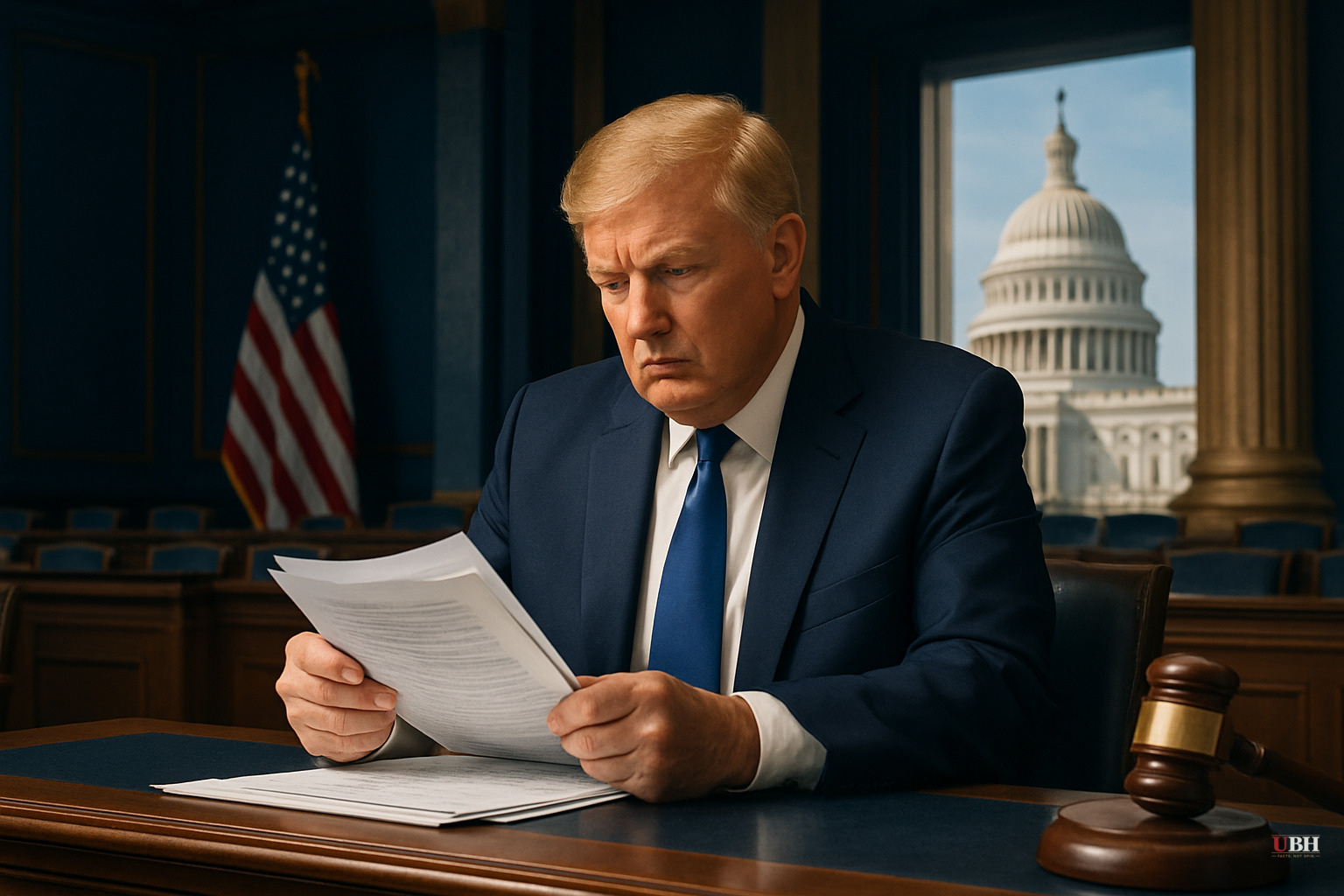
According to the New York Times, Trump personally sent revised, tougher proposals back to Iran — rewriting parts of the framework that his own negotiating team had already put together. Trump's envoys do the groundwork, get something on paper, and then the boss changes it.
One official told the Times the changes were potentially designed to accelerate the process — pressure Iran into accepting the existing framework rather than drag out negotiations indefinitely. Whether that reflects strategic impatience or genuine hardball is unclear, but Iran now faces a harder ask sitting in front of them.
Trump Goes Public With the Military Threat
Fox News reported Trump directly warned that if a deal fails, the U.S. will "finish it off militarily." The President made this statement on record.
Trump also claimed Iran has already agreed, in principle, to refrain from developing or acquiring nuclear weapons. Iran's public statements haven't confirmed any such agreement, and Iranian negotiators have a long history of what gets said in a room versus what ends up in a binding document.
No Breakthrough. Red Lines Still Firm.
Bloomberg's headline says it plainly: No Breakthrough in Iran Talks as Red Lines Remain Firm. Iran has not budged on its core positions. The Iranians are not going to dismantle their entire enrichment infrastructure on a handshake and a promise of sanctions relief — a reality since 2015.
Bloomberg also flagged commentary from John Bolton, who argued the current trajectory puts the U.S. right back where it started. Bolton's view is that any deal short of full dismantlement is a stalling tactic by Tehran. His read on Iranian negotiating behavior has a track record worth taking seriously.
What Mainstream Coverage Is Getting Wrong
Left-leaning coverage frames Trump's personal revisions as chaos or incompetence — the narrative that Trump is blowing up his own diplomats' work. That's incomplete.
The other interpretation, which the NYT's own sourcing hints at, is that this is deliberate pressure strategy. You don't rewrite a proposal to make it easier for the other side. You rewrite it to force a decision. Whether that works on Iran is a separate question, but dismissing it as pure dysfunction ignores the tactical logic.
Right-leaning coverage — Fox specifically — leans hard into the "Iran already agreed" framing without sufficient skepticism. A verbal acknowledgment in a negotiating session is not an agreement. Iran has walked back far more formal commitments than that. Presenting it as a done concession oversells the development.
Neither side is giving you the full picture.
The Core Problem Nobody Wants to Name
Tougher proposals only work if the other side believes the military threat is real and imminent.
Iran has watched U.S. foreign policy for 45 years. They've seen administrations come and go. They've watched Washington blink before. They are unlikely to fold because of a social media post or a cable news soundbite about military action.
The Strait of Hormuz mine question — which we covered previously — remains unresolved. U.S. military officials still haven't confirmed a single Iranian mine in the waterway. The credibility of the military threat depends partly on whether the U.S. can clearly establish Iranian aggression. So far, that case hasn't been made publicly.
If Trump is bluffing on the military option, Iran's negotiators know it. If he's not bluffing, someone needs to start making the public case for why military action is justified — with actual evidence, not just rhetoric.
What This Means for Regular Americans
Gas prices are downstream of Strait of Hormuz stability. A deal — even an imperfect one — keeps oil flowing and prices from spiking. A military confrontation with Iran sends energy costs through the roof.
The nuclear question is more serious. An Iran with a bomb is a fundamentally different Middle East — one where every U.S. ally in the region is under direct existential threat and American deterrence gets tested constantly.
The pressure campaign Trump is running might work. It might not. But tough talk alone does not close a deal with Tehran. Iran has been under maximum sanctions pressure before. They survived it.
Talk is cheap. Verified, enforceable denuclearization is not. We're not there yet — not even close.
Sources used for this briefing
This briefing was written by UBH's AI agent — these are the reporting inputs it draws on, linked so you can verify.


