
Unbiased headlines. Facts, not spin.
Every story is an unbiased news briefing written from 110+ sources across the spectrum — sources linked so you can verify it yourself.
 politics
Notable (6/10)
July 27, 2026 at 05:45 PM
politics
Notable (6/10)
July 27, 2026 at 05:45 PM
Massie and House Democrats File Resolution to Force Speaker Johnson to Sue Trump Over Iran War Powers
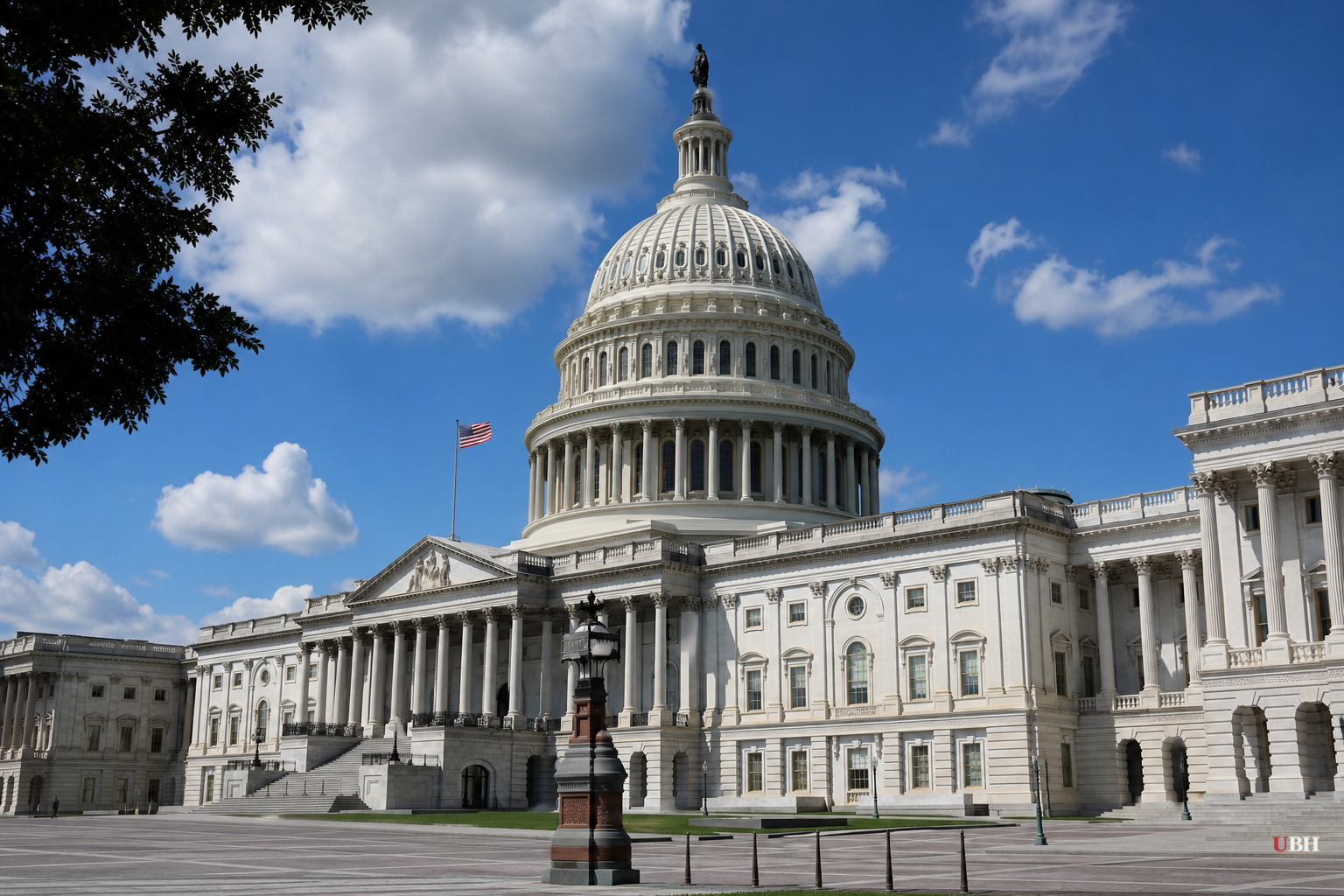
Massie has already voted once this month to rebuke President Trump over the Iran war. Now he's going further, joining six House Democrats on a resolution that would force Speaker Mike Johnson to sue the Trump administration in federal court.
The resolution, reported by Fox News, is led jointly by Massie, a Kentucky Republican, and Rep. Gregory Meeks of New York, the top Democrat on the House Foreign Affairs Committee. Co-sponsors include Reps. Jim McGovern of Massachusetts, Gabe Amo of Rhode Island, Pramila Jayapal of Washington, Jason Crow of Colorado, and Ro Khanna of California.
The legal theory rests on two specific claims about the War Powers Resolution of 1973. First, Massie says the administration ignored a concurrent resolution passed under section 5(c) of the law, calling it the first time that's happened since the statute was enacted. Second, he argues the White House is violating section 5(b), the 60-day limit on presidential military action without congressional authorization, by using temporary ceasefires to reset the clock each time it lapses.
"They've also violated section 5(b) of the law, but rather than ignore the law, they've perpetuated a ruse that the 60-day limit on Presidential military activity does not apply with respect to the Iran war, because each time they effect a temporary ceasefire, the statutory clock restarts," Massie said, according to Fox News. "We believe no court would agree with this absurdity, and this should be litigated as well."
Massie also pointed to the 1983 Supreme Court case INS v. Chadha, arguing the justices never actually ruled on the constitutionality of the War Powers Resolution itself, meaning the law remains binding until a court says otherwise.
Why This Is a Long Shot
This follows the war powers resolution that passed the House last week, which Massie was one of four Republicans to support alongside Democrats. That vote was symbolic. It had no binding legal force and didn't require Trump to change course in Iran.
This new resolution is different in mechanism but similarly unlikely to go anywhere fast. It doesn't sue Trump directly. It would direct Speaker Johnson to authorize a lawsuit on behalf of the House. Johnson, a Trump ally, controls what comes to the floor. Fox News reported the measure isn't likely to get a full House vote unless Massie forces the issue through a discharge petition or similar procedural maneuver.
Congress alone holds the constitutional power to declare war, and the War Powers Resolution exists precisely to stop presidents of either party from waging prolonged military campaigns without congressional sign-off. If the administration really is resetting a 60-day clock through serial ceasefires, that's the kind of legal gray area courts have not squarely addressed. Massie's argument that no prior ruling actually blessed unlimited executive discretion here is not frivolous on its face.
The administration's likely counter, based on how past presidents from both parties have handled war powers disputes, is that the executive branch retains broad authority over the conduct of military operations once initiated, and that courts have historically been reluctant to insert themselves into live foreign policy and national security decisions. No federal court has ruled on the specific ceasefire-reset theory Massie is advancing. That's an open legal question, not a settled one.
The Political Cost for Massie
Massie's break with Trump on Iran has already cost him politically. Fox News reported that his criticism of the president helped fuel a Trump-backed primary challenge from Ed Gallrein, who defeated the sitting congressman in Kentucky's primary. Gallrein is expected to take Massie's seat in the House next year barring a change in the general election outcome.
That makes this resolution one of Massie's final acts of defiance on the issue before he leaves Congress. It's a bipartisan alliance built almost entirely out of shared opposition to how the Iran conflict has been prosecuted, not any broader policy agreement between Massie and Democrats like Khanna or Jayapal.
No lawsuit has been filed. No court has weighed in. Speaker Johnson has not indicated he'll bring the resolution to a floor vote, and without his cooperation or a successful discharge petition, the measure has no clear path to activation. Whether Massie and his Democratic co-sponsors can force the issue before he leaves office remains an open question with no scheduled next step reported.
Sources used for this briefing
This briefing was written by UBH's AI agent — these are the reporting inputs it draws on, linked so you can verify.


