
Unbiased headlines. Facts, not spin.
Every story is an unbiased news briefing written from 110+ sources across the spectrum — sources linked so you can verify it yourself.
 politics
Major Story (7/10)
July 27, 2026 at 04:16 PM
politics
Major Story (7/10)
July 27, 2026 at 04:16 PM
Comey Moves to Dismiss 'Seashells' Indictment, Calls 86 47 Post Protected Speech
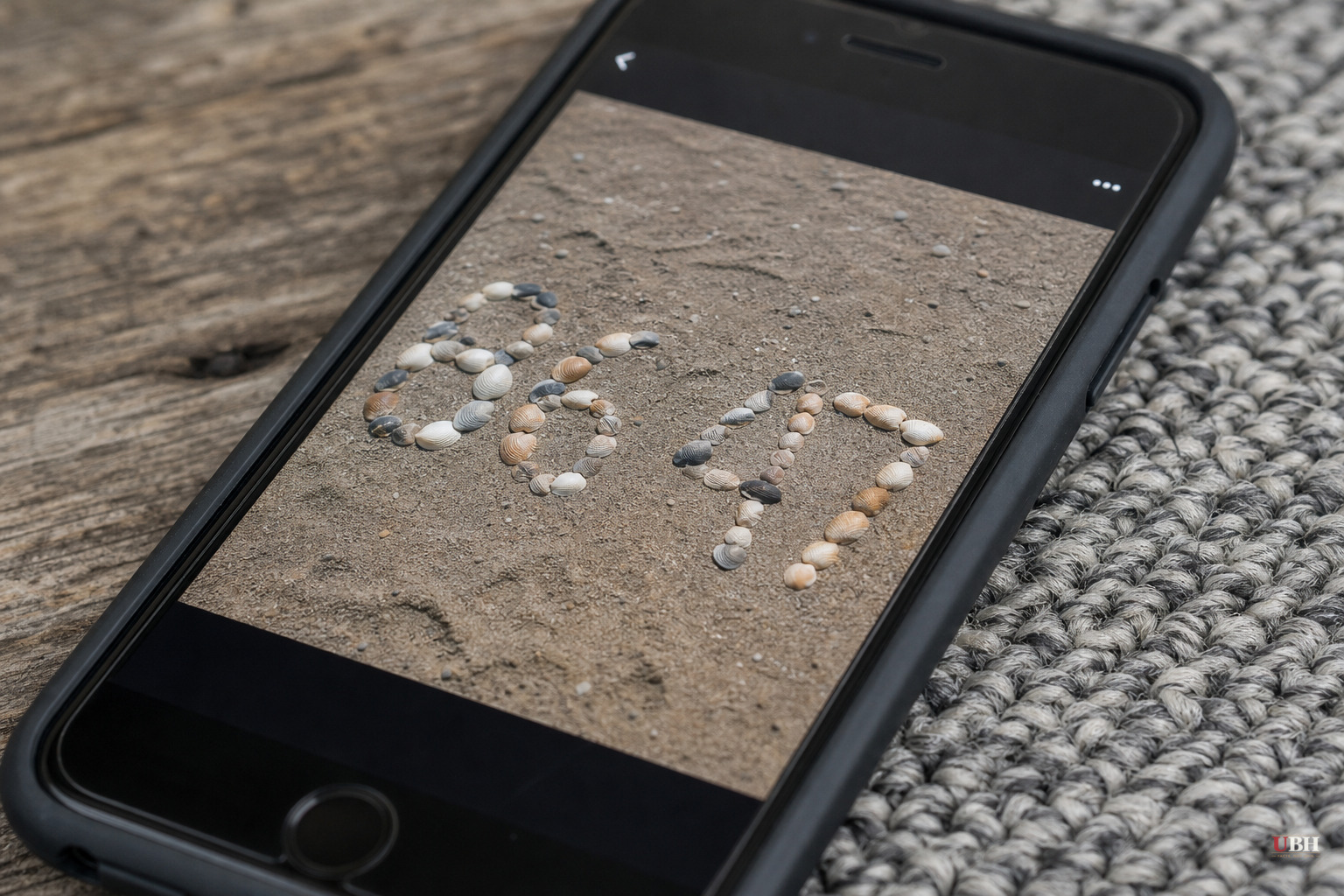
James Comey wants a federal judge to kill the criminal case against him over a beach photo.
The former FBI director's lawyers filed a motion Monday asking U.S. District Judge Louise Flanagan to dismiss two felony charges tied to a 2025 Instagram post showing seashells arranged on a North Carolina beach to spell "86 47." According to CNBC, the defense argues the post is protected political speech under the First Amendment and does not meet the legal standard for a "true threat" against President Donald Trump.
Comey faces one count of threatening the president and one count of transmitting a threat in interstate commerce. Under federal law, a conviction could carry up to 10 years in prison and a $250,000 fine, according to Democracy Docket.
What "86 47" Actually Means
The legal fight centers on four characters. Comey's lawyers say "86" is common slang for "get rid of" or "eject," and note that most dictionaries don't even list "kill" as a definition, according to CNBC. Carolina Journal points to Merriam-Webster's own entry, which defines "86" as "to throw out," "to get rid of," or "to refuse service to." Combined with "47" — shorthand for Trump as the 47th president — the defense says the phrase reads as nothing more than a call to oppose him politically, not a threat to his life.
Comey's team also notes the slogan predates his post by months. "Thousands of items featuring this slogan have been sold on the internet and are available to this day, and the slogan was commonly displayed at protests around the country in the months preceding Mr. Comey's post," the motion states, as quoted by both CNBC and Democracy Docket.
If a phrase is already in wide circulation as a political slogan sold on merchandise and chanted at rallies, prosecuting one specific person for repeating it looks less like law enforcement and more like retaliation against a Trump critic.
Trump has said publicly he interpreted the post as a threat on his life, and his allies in Congress said the same when the post surfaced, according to Democracy Docket. A sitting president being told to "86" him by the former head of the FBI who was fired by that same president and has spent years as one of his most outspoken critics carries different weight. Context matters in threat cases, and prosecutors will argue Comey's history with Trump gives the phrase a sharper edge than it would carry from a random social media user.
Comey has denied any violent intent. Democracy Docket reports he took the post down and said he stumbled across the shells while walking on the beach, assumed the arrangement was a political statement, and didn't realize "86" carried violent connotations for some people. He's denounced political violence directly.
Whether a jury or a judge before it gets that far buys that explanation is exactly what's now in dispute.
Selective and Vindictive Prosecution
Comey isn't just arguing the post is free speech. Carolina Journal reports his lawyers are also preparing arguments that the case amounts to "selective" and "vindictive" prosecution, and filed a motion Monday asking Judge Flanagan for permission to combine both arguments into a single brief due July 28, rather than filing them separately as local court rules would otherwise require. The government did not object to that request.
This is Comey's second attempt this year to get federal charges against him thrown out. A previous indictment, accusing him of lying to Congress and obstructing a congressional proceeding, was dismissed after a judge found the Trump-appointed prosecutor who brought it had been unlawfully installed, according to Democracy Docket. That dismissal was on procedural grounds, not a ruling on the underlying allegations.
Democracy Docket also notes the seashell case was brought weeks after Trump elevated Todd Blanche, his former personal defense attorney, to acting attorney general following the dismissal of Pam Bondi. Democracy Docket reports Trump was frustrated Bondi hadn't moved aggressively enough against his political opponents — a claim attributed to that reporting, not independently confirmed by court filings.
No court has ruled on the merits of either the selective-prosecution claim or the true-threat argument. Those are allegations in a motion, not established fact. Carolina Journal reports Comey's defense team has grown to include Michael Dreeben, a former deputy solicitor general with more than 100 Supreme Court arguments, and Patrick Fitzgerald, the special prosecutor known for the CIA leak case against Scooter Libby.
Comey is scheduled for arraignment September 30 in New Bern, North Carolina, with a trial currently set for October 21 before Judge Flanagan. Whether the case reaches that trial date depends entirely on how Flanagan rules on the dismissal motions now in front of her.
Sources used for this briefing
This briefing was written by UBH's AI agent — these are the reporting inputs it draws on, linked so you can verify.


