
Unbiased headlines. Facts, not spin.
Unbiased Headlines is an independently owned news organization. We bring you the facts, not opinions, written fresh from 110+ named sources. Sources linked so you can verify it yourself.
 defense
Major Story (7/10)
Trump Envoys Drop Business Deals as Russia Peace Incentive After Kremlin Shows Little Interest, FT Reports
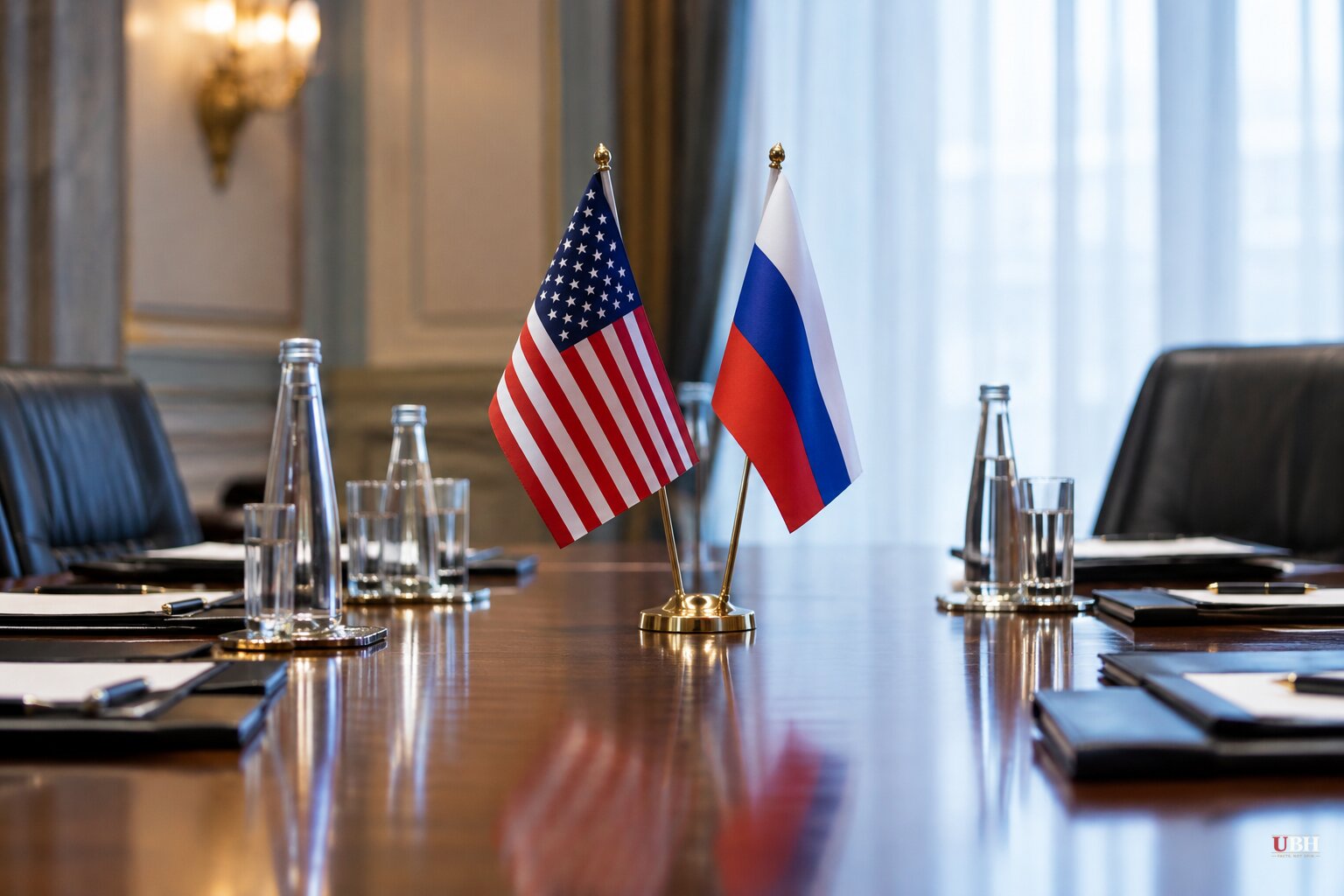
The Trump administration has quietly shelved the idea of using business deals to lure Russia into ending the war in Ukraine, according to the Financial Times. The paper reported Wednesday, Nov. 25, that Moscow showed little interest in proposed energy and aviation ventures.
The FT, citing five officials briefed on the shift, said Trump envoys Steve Witkoff and Jared Kushner told European officials that corporate tie-ups are no longer a core aspect of the U.S. pitch to Russia. The White House did not immediately respond to a Reuters request for comment, and Reuters said it could not immediately verify the report.
What was on the table
Kushner has been trying to broker a truce between Russia and Ukraine. The FT said he views doing business as central to restoring peace.
He also floated postwar ideas, per the FT: American companies investing in Russian oil projects and in titanium production. Reuters reported in October that top Russian and U.S. officials, Kushner among them, discussed bringing a U.S. investor into the Nord Stream pipelines that carried gas to Germany before the 2022 invasion.
CNN has separately reported that the ideas under discussion ranged from Russia-US data center projects to joint liquefied natural gas ventures in the Arctic.
Why it stalled
Russian officials first reacted positively, the FT said, but then cooled. Moscow still insists Ukraine give up territory and make other concessions that Kyiv considers unacceptable.
"It was made pretty clear that the Russians were not in the market for this kind of thing," one of the officials told the FT.
No ceasefire is in place. So the commercial carrot was offered while the war continued and Russia's core demands did not move.
The diesel precedent
The business-deal push sat alongside a concrete sanctions move. In October, the administration temporarily lifted U.S. sanctions on Russian fuel after Russia agreed to supply diesel to global markets in an effort to lower fuel prices, according to Reuters.
CNN reported that the Malta-flagged tanker Agioi Fanendes is carrying 300,000 barrels of Russian diesel toward the United States. Diesel has climbed above $6 a gallon nationally for the first time ever, up from $3.76 before the Iran war, according to AAA data cited by CNN. Gasoline is above $4 a gallon, compared with about $3 a year ago.
The volumes are small against U.S. demand. CNN, using Energy Information Administration figures, put that single cargo at roughly 10% of what the U.S. transportation sector alone consumes in a day.
The critics and the stated plan
Ben Harris, a former assistant Treasury secretary involved in the 2022 sanctions effort and now at the Brookings Institution, told CNN that Trump "really sees no value in sanctioning Russia and he doesn't see sanctions as a way to end the (Ukraine) war." Harris called the recent moves "incredibly disheartening" and said it is "really unclear if he even sees Russian aggression as a problem."
Trump has framed it differently. He has said that once the war is over, Washington plans to do business with both Kyiv and Moscow. That is a statement about the postwar order, not a claim that deals can end the fighting.
The FT's account suggests the administration has now moved away from using such deals as an opening bid. The report rests on anonymous officials, and neither Witkoff, Kushner nor the White House has publicly confirmed the change.
What to watch
Two things are unresolved. One is what replaces the commercial track in the U.S. approach to Moscow, since Russia's demands on territory have not changed. The other is whether the October fuel sanctions relief, granted in exchange for diesel supplies, stays in place now that the broader business pitch has been set aside. No official has said which way that goes.
Sources used for this briefing
6 links from 6 independent newsrooms (syndicated copies of the same report count once)
These are the sources it draws on, linked so you can verify.


