
Unbiased headlines. Facts, not spin.
Unbiased Headlines is an independently owned news organization. We bring you the facts, not opinions, written fresh from 110+ named sources. Sources linked so you can verify it yourself.
 defense
Major Story (8/10)
Coast Guard Confirms August Cyber Boardings of Two Ships as Up to 50 Vessels May Have Been Hacked
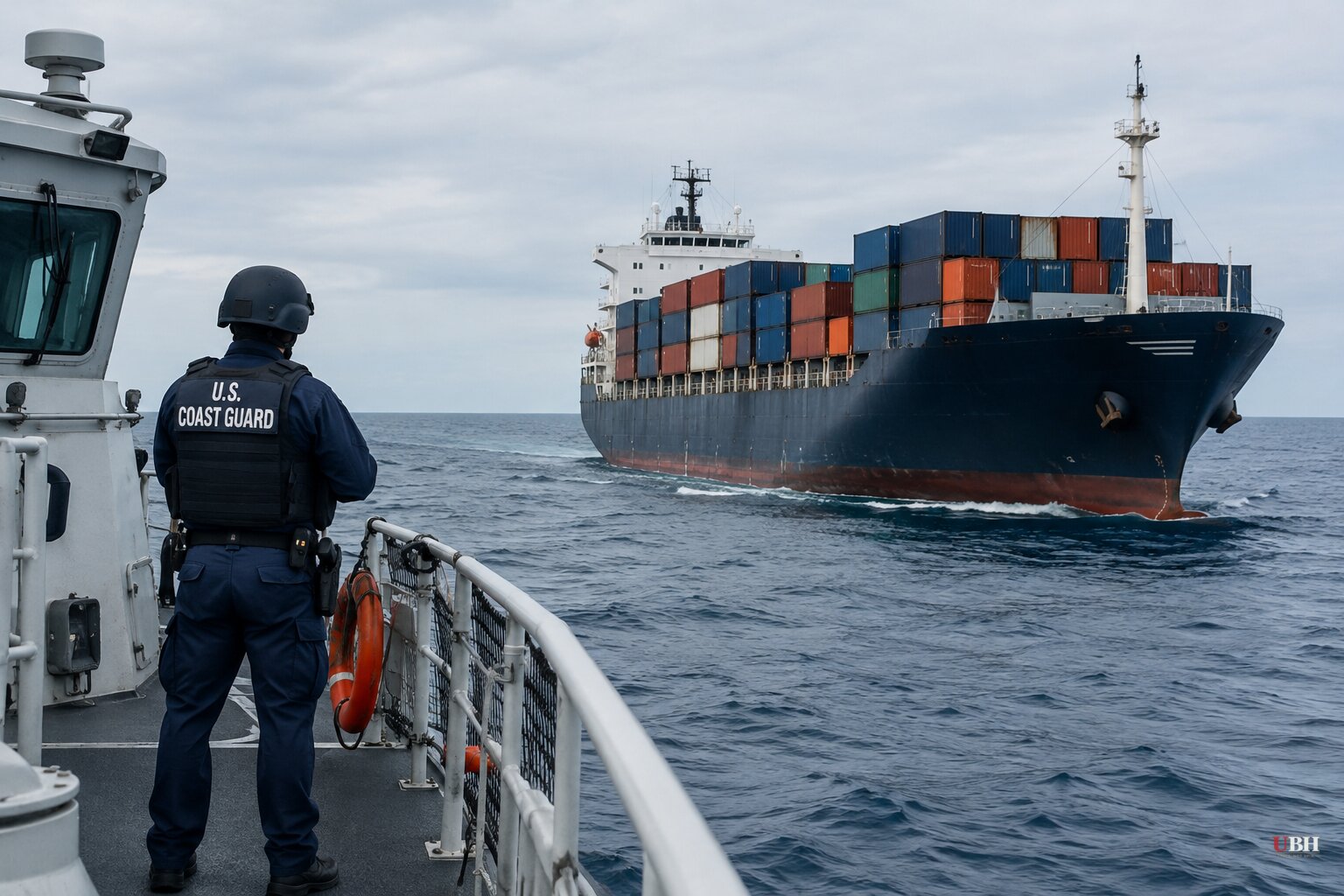
The U.S. Coast Guard confirmed Monday, Nov. 23, that it sent cyber teams to board two foreign-flagged commercial ships bound for American ports after their networks were compromised by what it called "foreign cyber actors."
The boardings happened Aug. 21 and Aug. 24 in the Gulf of America. The agency says the threats were handled before either vessel docked.
The confirmation landed the same day the Wall Street Journal reported that federal authorities are investigating whether Iran was behind dozens of cyberattacks on energy tankers and other ships.
What the Coast Guard says happened
A Coast Guard spokesperson said the boarding teams included law enforcement personnel, Coast Guard Cyber Protection Team members, a vessel inspector and FBI Cyber Action Team operators. The goal was to verify the integrity of each ship's operational and information technology systems.
The spokesperson credited the captains, crews and shore-side corporate staff as "critical partners" in mitigating the threats.
The Coast Guard and FBI told NPR there are no current reports of operational disruptions, vessel instability, physical danger to crews or environmental impacts. The Coast Guard also said it is working with port operators and vessel owners so port operations continue without interruption.
"While confirmed cyber disruptions in the maritime domain remain uncommon, even isolated technical issues can cause avoidable commercial delays," the spokesperson said.
The scale, according to the Journal
The Journal reported that as many as 50 vessels carrying oil, liquefied petroleum gas, chemicals and other potentially explosive cargo may have been targeted across North America, Europe and Asia. NPR separately cited a U.S. official who was not authorized to speak on the record, a former military cyber operator and an industry executive briefed on the attacks, describing the same scope.
According to the Journal, attackers exploited vulnerabilities in Fortinet networking equipment. A U.S. official told NPR the flaws were in Fortinet FortiGate devices, which are common in the maritime industry and manage firewalls and virtual private networks.
The Coast Guard and FBI had already put out a cyber bulletin in September warning that bad actors were breaking into these devices. "Threat actors routinely scan for specific, unpatched vulnerabilities to gain a foothold," the bulletin said.
The Journal also reported that crews received bomb threats and a message warning that "traitor ships will burn in hell." A European shipping executive told the paper that officers got threats on their cellphones. The first ship boarded, the Liberian-flagged crude tanker VL Prosperity, was bound for Galveston, Texas, and carried about 2.3 million barrels of oil, per the Journal. It received a ransom note and a bomb threat, and was cleared for normal operations after cyber screening.
The Journal further reported that hackers breached the propulsion and navigation systems of one vessel and disrupted its communications for roughly 30 hours, forcing the crew onto manual procedures and potentially delaying energy shipments to Europe and Asia. That account sits uneasily next to the agencies' statement that no operational disruptions have been reported. The reports do not reconcile the two.
At least four more ships have been boarded in recent weeks as they approached U.S. ports, according to the Journal.
Iran: suspicion, not attribution
NPR reported that the series of breaches is being investigated as potentially linked to Iran, amid the ongoing conflict between the two countries. NPR also noted that cybersecurity experts and U.S. officials believe Iranian hackers were behind attacks on U.S. water treatment systems in August and a pattern of attacks on refrigeration cooling systems at grocery stores on U.S. military bases and across Europe as recently as early November. Iran has denied it was behind the refrigerator attacks targeting France.
On the ships, the picture is less settled. The Journal reported that some U.S. officials suspect Tehran, but the administration told the paper it had found no evidence of Iranian involvement. No charges have been announced and no government has publicly named a culprit.
The ransom note and the threats are not an obvious fit for a single motive, and the agencies have not said whether the incidents share one author.
A regulatory gap
Foreign-flagged ships are exempt from the Coast Guard's baseline cybersecurity requirements. A captain of the port does have separate authority to restrict the movement of any vessel that presents a known or suspected cyber threat to U.S. maritime infrastructure.
Under Coast Guard guidance issued in November, port state control inspectors can require a vessel to correct a cybersecurity deficiency that could compromise safe operation. In serious cases, the Coast Guard may detain the ship or refuse it entry until the risk is cleared.
The Coast Guard is urging maritime stakeholders to use Coast Guard Cyber Command's free, non-regulatory technical resources and to report suspected anomalies to the National Response Center.
The attack path described by officials was not exotic. It was known, unpatched hardware on ships hauling millions of barrels of fuel toward American ports. Whether that traces to Iran, another state, or criminals running a ransom operation is the open question, and the administration has not yet answered it publicly.
Sources used for this briefing
7 links from 7 independent newsrooms (syndicated copies of the same report count once)
These are the sources it draws on, linked so you can verify.


