
Unbiased headlines. Facts, not spin.
Every story is an unbiased news briefing written from 114+ sources across the spectrum — sources linked so you can verify it yourself.
 defense
Major Story (8/10)
October 13, 2026 at 07:56 PM
defense
Major Story (8/10)
October 13, 2026 at 07:56 PM
Trump Denies Halting Intel Sharing With Ukraine as Russian Strikes Continue Under Announced 'Energy Ceasefire'
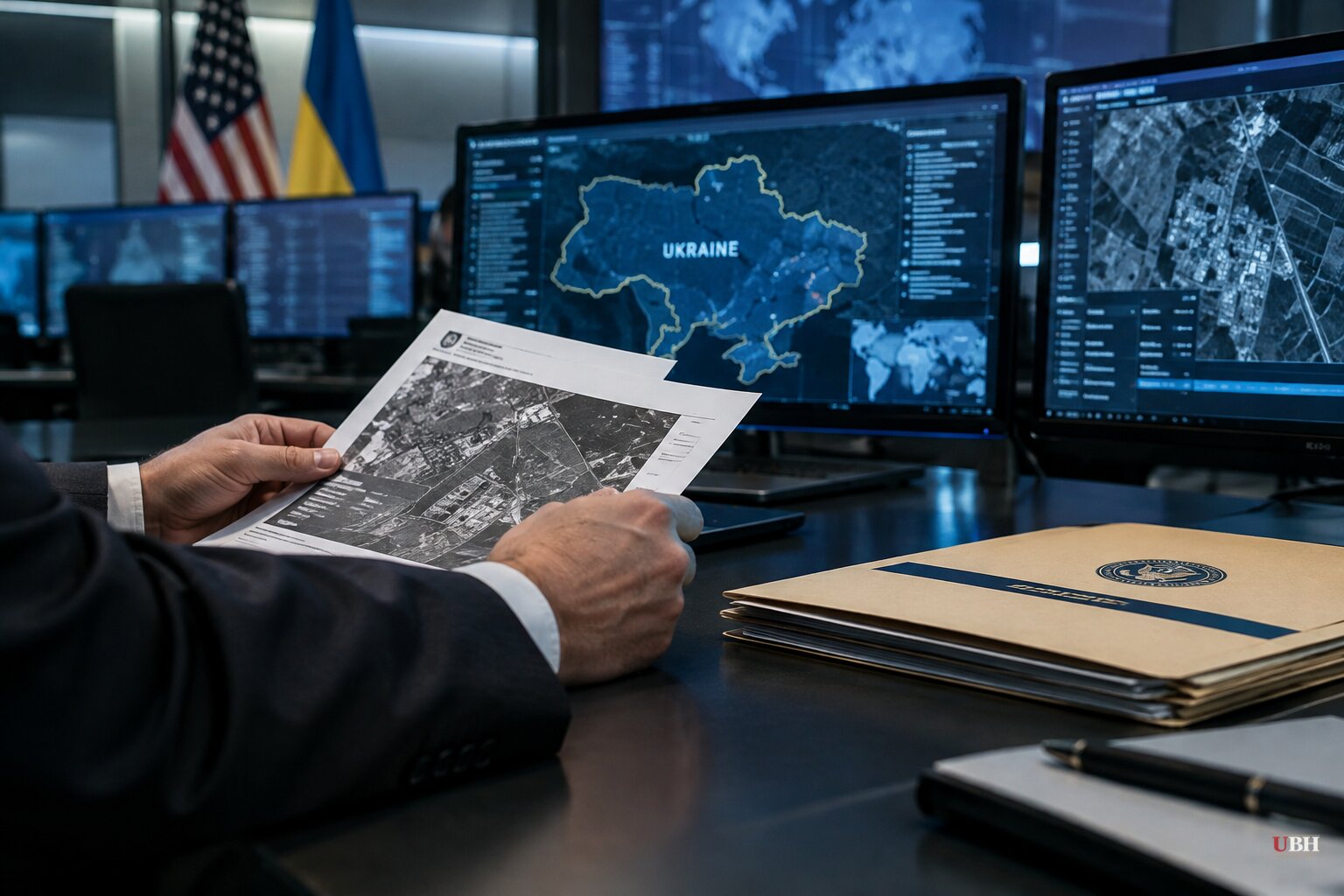
Two days after Trump announced an "energy ceasefire" that Moscow has not confirmed, he told reporters Tuesday, Oct. 13, that U.S. intelligence sharing with Ukraine has not stopped. "We are helping them, and we are sharing intel," he said. "We want the war to end."
The denial follows reports from the weekend that U.S. officials had threatened to cut it off. Ukrainian officials told the Kyiv Independent on Oct. 12 that Washington had threatened to suspend sharing unless Kyiv stopped hitting Russian energy infrastructure. Other reports say U.S. envoys Steve Witkoff and Jared Kushner delivered the warning to Ukrainian negotiators in Miami.
The White House gave a less direct answer. Press secretary Katie Zacharias said she would "have to get back to that" when asked whether sharing had stopped, according to Kyiv Post.
The missile strike nobody warned about
Russia fired about six ballistic missiles at Kyiv around 10:10 p.m. on Monday, Oct. 12, according to the Ukrainian Air Force. Zelenskyy said five hit civilian infrastructure, which was reported as transport and warehouse facilities in several districts.
Zelenskyy called the attack "particularly vile." He said Ukraine "received no early warning from our partners." He did not assign blame and called the lack of warning unfortunate.
Kyiv Independent journalists on the ground reported powerful blasts before any air raid alert sounded. The Air Force said its radars picked up the missiles during the attack, but it had received no information about launches from Russian territory. It said it is investigating why. Spokesperson Yurii Ihnat said an alarm sounding only mid-attack had happened before.
Foreign Minister Andrii Sybiha said at the Warsaw Security Forum that cooperation with Washington continues. "Yes, we continue this cooperation," he said. He acknowledged the alert came late and attributed the delay to the type of weapon Russia used, not to any interruption in U.S. intelligence. Neither Sybiha nor Trump has said whether the scope of sharing has changed.
Ukrainian commanders say U.S. intelligence is not what they need to pick deep-strike targets, since refineries are marked on Google Maps. They say it matters for warnings of ballistic launches and long-range bomber takeoffs.
Rivne and Kharkiv
On Tuesday morning a Russian jet-powered drone hit a university in central Rivne. Regional police put the injured at 25 by afternoon, up from an initial 20. Two people in serious condition were undergoing surgery.
Education Minister Andrii Butenko said all students were in shelters and the injured were administrative staff. The Faculty of Musical Arts building was almost completely gutted by fire and is unfit for teaching, he said. Windows were blown out in nearby academic buildings. The university is weighing remote learning through the end of the week.
Zelenskyy said Russia launched more than 100 weapons from Monday evening into Tuesday, including jet-powered drones, loitering munitions and ballistic missiles. A significant share was shot down, he said, "but unfortunately, not all of them."
In Kharkiv, a strike destroyed an apartment building. Four people were killed despite an all-night rescue operation, and 41 were wounded in the city in one evening. One person was killed in the Fastiv district of the Kyiv region, according to regional military administration head Tymur Tkachenko. A drone also hit a residential building in Murovane near Lviv, Mayor Andrii Sadovyi said.
The ceasefire that wasn't
Zelenskyy said Ukraine did not strike Russian refineries or energy facilities in the two days after Trump's Sunday announcement. Russia kept bombing Ukrainian energy infrastructure as before, he said. "The Russians sent absolutely clear signals that they have no intention of refraining from strikes." He had earlier called the ceasefire claim "news to me."
The Kremlin rejected Zelenskyy's proposed 60-day ceasefire for elections and stayed silent on an energy truce, according to Ukrainian reporting from Oct. 12.
Meanwhile, Trump announced on Friday a deal with Putin to import Russian diesel, dropping earlier U.S. sanctions. He has also blamed Zelenskyy for higher U.S. fuel prices. Asked Tuesday whether Russia could spend the proceeds on more weapons, Trump sidestepped. "That's a diesel deal, not for us," he said. "That's being released into the world."
Trump's stated position is that Washington wants the war to end and is working with both sides. Kyiv's position is that the pressure falls on the victim of the attacks while the aggressor faces fewer penalties.
Weapons purchases
The Financial Times reported that the administration also threatened to suspend the procurement scheme through which European allies buy U.S. systems for Ukraine. A person familiar with the talks told Reuters the U.S. raised restricting purchases under the Prioritized Ukraine Requirements List. U.S. NATO Ambassador Matthew Whitaker said Tuesday there has been "no change" to deliveries through the program.
The stakes are concrete. Ukraine is short on Patriot missiles and has struggled to stop Russia's faster ballistic missiles and high-flying jet drones.
Separately, French President Emmanuel Macron said the French Navy boarded the tanker DF Peak on Oct. 12. It is suspected of sailing under a false flag as part of Russia's shadow fleet and allegedly carried sanctioned Russian fuel.
The next test comes Friday, Oct. 16, when the European Council meets in Brussels. The Air Force's inquiry into the missing launch data is still open, and the White House has not answered whether the scope of intelligence sharing has changed.
Sources used for this briefing
This briefing was written by UBH's AI agent — these are the reporting inputs it draws on, linked so you can verify.


