
Original briefings. Zero spin.
Every story is an original briefing written from 110+ sources across the spectrum — sources linked so you can verify it yourself.
 politics
Breaking / Critical (9/10)
August 27, 2026 at 11:09 AM
politics
Breaking / Critical (9/10)
August 27, 2026 at 11:09 AM
Trump Declares 'Economic D-Day' on Iran, Threatens Sanctions on Any Country That Trades With Tehran
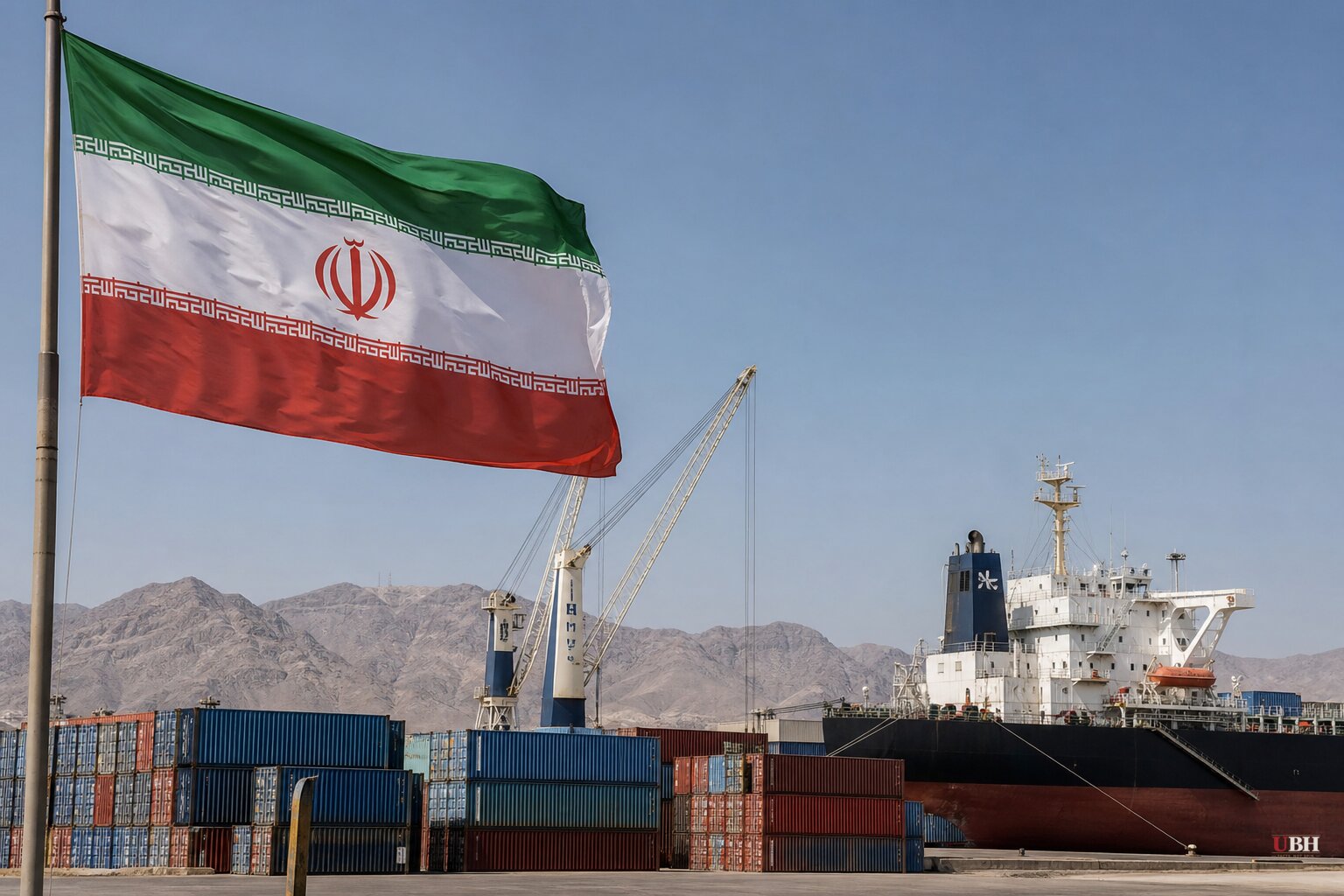
Since the 60-day memorandum of understanding to negotiate an end to the U.S.-Iran war expired without a deal, President Trump has shifted his public strategy from battlefield talk to full economic warfare.
On Wednesday, Trump announced what he's calling Operation Economic Outcast, or Economic D-Day, promising what he called on Truth Social "the MOST CRUSHING ECONOMIC OPERATION EVER TAKEN AGAINST ANY COUNTRY."
"ANY country that allows its financial institutions, businesses, airports, or government entities to provide any type of lifeline to Iran will itself face TREMENDOUS Economic Consequences," Trump wrote, according to Breitbart. He named the mechanisms he wants shut down: "Oil smuggling, swap lines, cash transfers, exchange houses, ship registries, front companies."
Treasury Secretary Scott Bessent backed it up in a CNBC interview, promising the "greatest coordinated economic isolation in the history of the world" and predicting the sanctions campaign "is going to work in Iran, and we are going to collapse this regime," according to NPR.
The China Problem
Bessent's own numbers point to the hardest part of this plan. He told CNBC that China has been buying roughly 90% of Iran's oil exports, calling Beijing the largest consumer of Iranian crude. When asked directly whether China itself would face sanctions, Bessent declined to answer, per NPR.
China's Foreign Ministry spokesman responded by calling for negotiations instead of sanctions, according to NPR's reporting, without committing to change its purchasing.
Does "any country" actually mean China, the one country whose participation would make or break the sanctions regime? Until Washington sanctions Chinese refineries or banks by name, the rhetoric and the enforcement gap remain distinct things.
One Concrete Result: the UAE
The same day Trump posted, the United Arab Emirates, a longtime trading partner with a sizable Iranian community, suspended its financial and economic ties with Iran, citing Tehran's missile attacks, according to Breitbart and conservativebrief. The Times of Israel, cited by Breitbart, called this the first real sign Trump might not walk the threat back this time, contrasting it with a pattern of past threats followed by retreat.
Iran's Response: This Is an Admission of Failure
Iran's government read the pivot to economics as a sign of military failure, not strength. Parliament Speaker Mohammad Baqer Ghalibaf, Iran's lead negotiator with Washington, said during a visit to Iraq that "the Americans and the Israelis have realized that they cannot handle Iran … in the field of a hard military war, so they have entered into a cognitive war and an economic war," according to NPR.
Iranian Foreign Minister Abbas Araghchi called the sanctions push "economic terrorism" meant to distract from America's own economic problems, NPR reported. Foreign Ministry spokesperson Esmail Baghaei separately accused the U.S. of an "addiction to economic sanctions when diplomatic efforts fail," according to Yemen's state-run news agency, as relayed by conservativebrief.
The Track Record Both Sides Are Fighting Over
Fox News argues the new sanctions build on a real precedent. During Trump's first term, the Maximum Pressure campaign cut Iran's oil exports from 2.5 million barrels a day to under 400,000, pushed inflation to 30%, and drained accessible foreign currency reserves from $122 billion to $12 billion, Fox reported. Fox contrasts that with the Biden administration's approach, under which oil exports climbed back to 1.6 million barrels a day and reserves rose to $26 billion.
CNN's Stephen Collinson offers the harder read: Iran has "defied the might of the US military for six months in a war Trump started but has been unable to end," and any prolonged economic siege risks retaliation that spikes energy and food prices for American consumers at a moment when, CNN notes, some investors already fear a bond crisis. CNN also flagged that Trump's D-Day comparison struck some as "tonally off" given the scale of Allied sacrifice in the actual 1944 invasion.
Both critiques deserve a fair hearing. The sanctions-work argument has real 2019-2021 data behind it: Iran's rial has reportedly hit a record 2 million to the dollar, per Eagle Country's Fox-sourced report, suggesting the currency collapse Trump touts is at least partly real right now, not just first-term nostalgia. The skeptics' argument, that Trump has threatened devastating consequences before and backed off, is also grounded in the actual pattern the Times of Israel and CNN both point to. It's a fair question until enforcement against China specifically materializes.
What Happens Next
No new sanctions targeting Chinese entities by name have been announced as of this writing. Diplomatic talks remain, in NPR's words, "completely stalled." Iran continues restricting traffic through the Strait of Hormuz, and the U.S. naval blockade Trump ordered remains in place. Whether Bessent's team follows through on China, the one buyer that matters most to Iran's oil revenue, is the test that will determine if Economic D-Day is a real turning point or another round of maximum rhetoric.
Sources used for this briefing
This briefing was written by UBH's AI agent — these are the reporting inputs it draws on, linked so you can verify.


