
Unbiased headlines. Facts, not spin.
Unbiased Headlines is an independently owned news organization. We bring you the facts, not opinions, written fresh from 110+ named sources. Sources linked so you can verify it yourself.
 health
Notable (6/10)
Event date: November 4, 2026 ·
Trump Closed Midterm Campaign With $500 Refund Checks, $90 Medicare Payments and a Hospital Drug Payment Cut
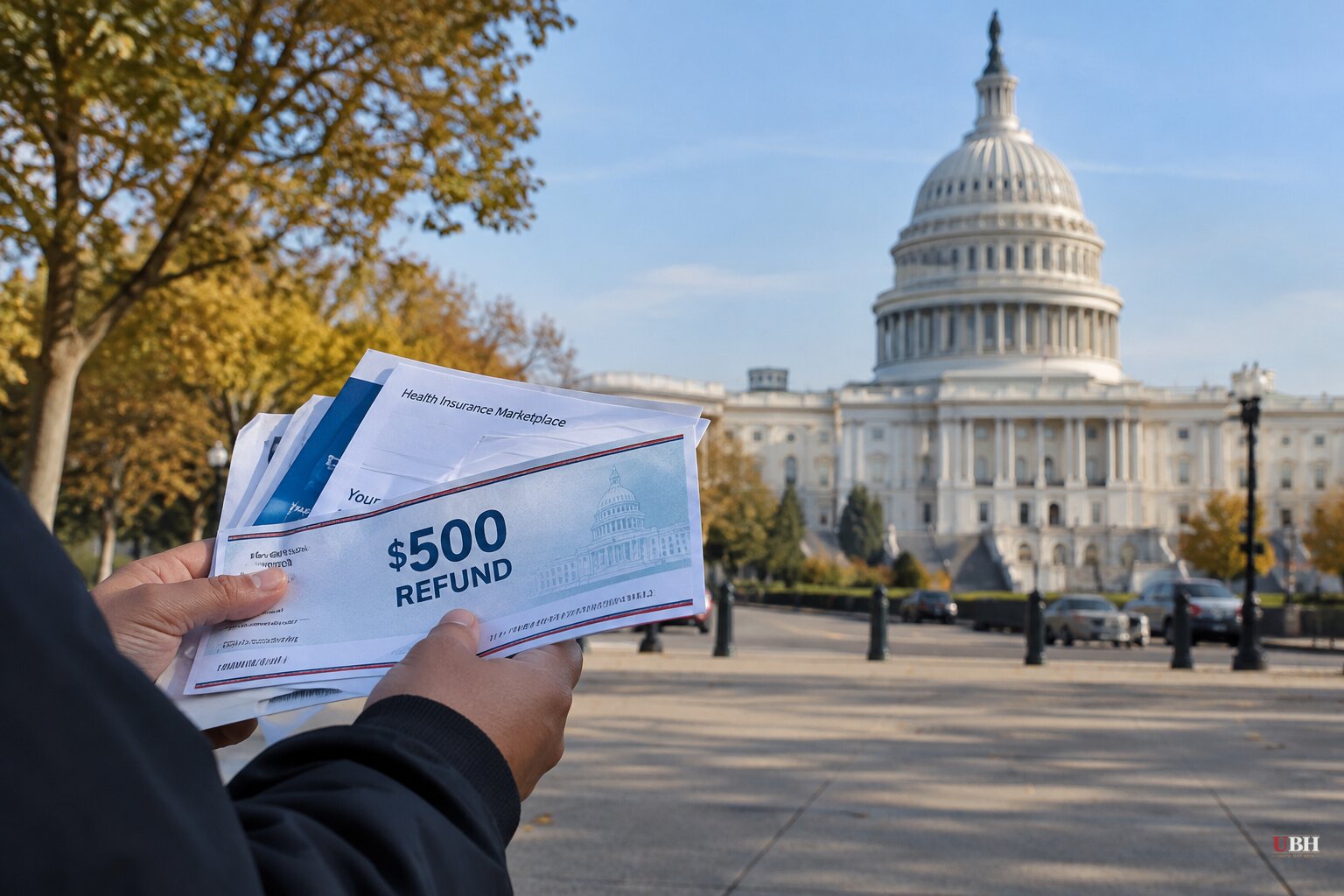
President Donald Trump made health care the closing argument of his midterm campaign. Voters went to the polls Tuesday, Nov. 3.
At the Republican National Committee's Midterm Convention in Dallas, Trump pointed to his "Most Favored Nation" drug pricing push and called it "the largest prescription drug price cut in history." He added: "Think of that. And that alone should win the midterms. Honestly, if we did nothing else, that should."
He has since held 29 campaign rallies, plus a round of tele-rallies Monday evening, and used many of them to announce health care actions.
The checks
In early September, Trump announced $500 refunds for nearly 1 million eligible Americans in 30 states. The White House says the money covers Obamacare overcharges collected under President Joe Biden's administration. Checks began going out on a Wednesday after the announcement.
In October, Trump announced one-time $90 payments from a Medicare Improvement Fund. They are meant to help more than 20 million enrollees with Medicare premiums.
The administration also announced money to recruit nurses for nursing homes. White House spokeswoman Allison Schuster put the figure at $250 million, while the Daily Wire reported $275 million. The administration has also pointed to investments in rural health care.
Schuster said Trump "has truly left it all on the field and delivered more for Americans' health than any President in history."
The 340B change
The most consequential policy is not a check. The Centers for Medicare and Medicaid Services is finalizing a rule that lowers Medicare Part B payment rates for drugs administered in hospital outpatient departments. The goal is to make sure discounts hospitals get through the 340B program are passed on to Medicare and its patients.
The administration calls the old setup "intentional Medicare overpayments." An administration official said the payments gave 340B hospitals a reason to buy up independent clinics, because those clinics would otherwise earn much smaller margins on the same drugs.
The White House projects seniors will pay $1.1 billion less on high-cost drugs in 2027, such as cancer infusions. It puts the average savings for an affected senior at $900 in co-pays.
CMS is also cutting what Medicare pays when routine imaging is done in a hospital outpatient department. Heart ultrasounds, bone density scans, chest X-rays, chest CTs and head and neck ultrasounds will be paid at the lower rate Medicare would have paid in a cheaper setting. The White House estimates seniors will save $2.4 billion on these services over 10 years. Schuster's statement rounded that to "over $2 billion."
Schuster also credited earlier administration efforts, saying TrumpRx.gov and the Medicare Bridge program have delivered more than $1 billion in savings. That number is the White House's own.
The other side of the ledger
Not everyone on the right sees a clean affordability story. Sen. Bill Cassidy (R-La.) said on CNBC's Squawk Box that Trump's vaccine executive order will cause inconvenience and also raise health insurance premiums, because people will need more appointments to get immunizations.
The White House's own framing of the contrast with Democrats is blunt. Schuster said "the Radical Left Democrats' main priority is implementing free healthcare for illegal aliens." The White House statement did not cite a Democratic bill or platform for that claim.
The 340B rule also takes money from hospitals by design. It lowers what Medicare pays them for outpatient drugs and imaging. The White House has not said how much revenue hospitals will lose, and no hospital response was included in the administration's announcement.
What is checkable
The checks and the Medicare policy are different kinds of action. The $500 refunds and $90 payments are one-time transfers already announced or sent. The 340B and imaging changes are rules that start in 2027.
Every savings figure in the Medicare announcement is a projection from the White House or CMS. Whether the $900 average co-pay savings and $1.1 billion total materialize will depend on how many seniors are treated in affected hospitals and how hospitals respond to lower payments.
The next test is the 2027 Medicare payment cycle. The first claims paid under the new Part B rates will show whether the savings match the White House's numbers.
Sources used for this briefing
2 links from 2 independent newsrooms (syndicated copies of the same report count once)
These are the sources it draws on, linked so you can verify.


