
Unbiased headlines. Facts, not spin.
Every story is an unbiased news briefing written from 110+ sources across the spectrum — sources linked so you can verify it yourself.
 politics
Major Story (7/10)
June 15, 2026 at 07:18 AM
politics
Major Story (7/10)
June 15, 2026 at 07:18 AM
Trump Announces U.S.-Iran Deal. Israeli Analysts Call It a Political Defeat for Netanyahu.
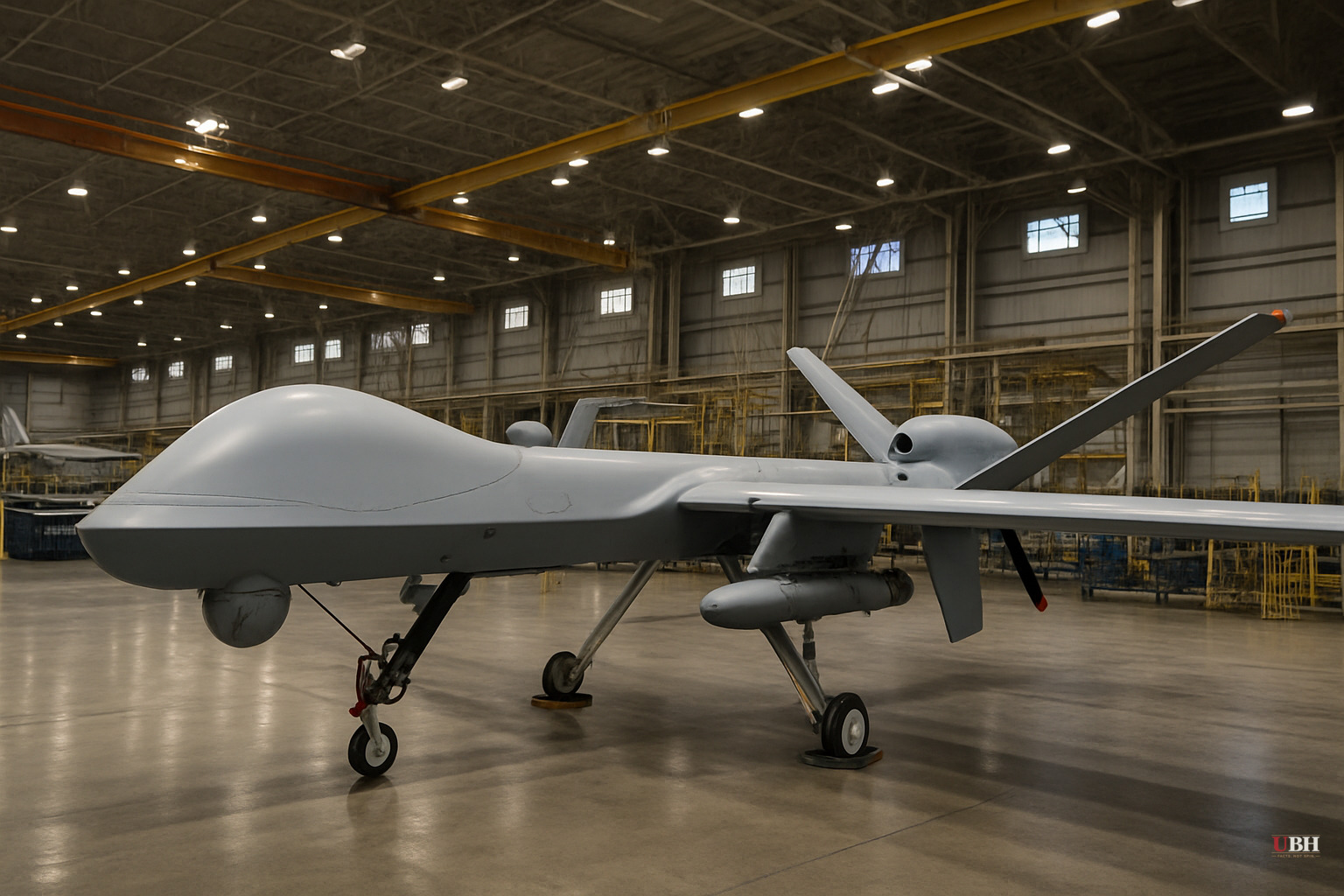
Since Israel's strike on Beirut's Dahiyeh district on June 14 nearly derailed negotiations, the U.S.-Iran diplomatic track has moved faster than almost anyone anticipated, culminating in Trump's announcement Sunday that a deal has been reached.
What the Deal Actually Does
Trump announced the agreement provides for the immediate reopening of the Strait of Hormuz — scrapping the gradual reopening originally on the table — and the lifting of the U.S. naval blockade, according to The Jerusalem Post. Iran also secured a temporary lifting of sanctions on oil and petrochemical sales. Trump stated the deal will bring "peace and security" to the Middle East, per Fox News.
What it does NOT do: address Iran's ballistic missile program, sever Tehran's funding to Hezbollah, Hamas, Houthi forces in Yemen, or Shia militias in Iraq. Those were Israel's core demands going in.
How the June 14 Strike Shaped the Endgame
The Jerusalem Post's Amichai Stein, writing June 15, offers the clearest reconstruction of the final 48 hours. The Israeli strike on Dahiyeh on Sunday — targeting a Hezbollah headquarters — threatened to trigger Iranian retaliation and blow up the negotiations entirely. Trump concluded that an Israeli counter-response to Iranian retaliation would kill the deal before it was signed.
So Trump did what Trump does: he applied pressure. Working with Qatar and Pakistan, he pushed Iran to sign rather than retaliate. Iran got the deal it wanted: regime survival, sanctions relief, international legitimacy. Without having to fire another missile.
The Post notes that last Thursday, preparations were reportedly underway for a significant American strike on Iran. Then, mid-security-consultation in Netanyahu's office, Trump's announcement landed. Netanyahu and his inner circle found out about it the way the rest of the world did.
Israeli Analysts: 'Political Defeat Greater Than Military Victories'
Israeli commentators have not been kind. Writing in the Israeli daily Maariv, political analyst Ben Caspit called it a "serious political defeat" for Netanyahu, arguing that despite military achievements against Hamas, Hezbollah, and Iran directly, the prime minister had made himself and Israel hostage to Trump's diplomatic priorities. "The political defeat is greater than the military victories," Caspit wrote, per Anadolu Agency's June 15 report.
Also in Maariv, analyst Avi Ashkenazi said Iran is "the biggest winner" — notably because Israel was not a party to the agreement at all.
In Israel Hayom, columnist Ben-Dror Yemini framed the deal as U.S. recognition of "a stronger and more radical Iranian regime." Yemini argued Iran will read this as a political victory: it gets international legitimacy without dismantling its missile program or cutting proxy funding. "Hamas was not defeated after a war that lasted two years, and Iran was not defeated after 40 days of bombing," Yemini wrote, according to Anadolu.
The Strongest Case for the Deal
Trump's position rests on this: the alternative on the table last Thursday was reportedly a significant American military strike on Iran, months before U.S. midterm elections. A shooting war in the Persian Gulf, with the Strait of Hormuz potentially closed for months, would have driven oil prices to levels that make 2022 look tame. Trump's team argues, and Vice President Vance has stated publicly per Fox News, that the U.S. got Iran to back off striking Israel after the Beirut attack and achieved its key objectives without a full military confrontation. Getting Iran to freeze nuclear weapons development, even temporarily, while avoiding a regional war has real strategic value, and a hard-line enforcement mechanism could still bite Tehran if it cheats.
The critical variable is whether enforcement will materialize. Former Ambassador-at-Large reporting cited by Fox News put it plainly: the deal "isn't worth anything" without enforcement.
The Midterm Clock
The Jerusalem Post raises the sharpest unresolved question: Trump was unwilling to risk military action with U.S. midterm elections on the horizon. Will he be willing to use force in the weeks before them if Iran violates the agreement? Iran's negotiators are not naive. They have read American election calendars before.
Israel, per The Jerusalem Post, is also still waiting for clarity on one specific operational question: whether it will be permitted to strike Hezbollah's military buildup in Lebanon, or only respond to direct Iranian attacks. That distinction is not a footnote. It determines whether Hezbollah spends the next year rearming under diplomatic cover.
The answer to whether this deal becomes a durable strategic settlement or a pause that benefits the side better at waiting remains unresolved as of June 15.
Sources used for this briefing
This briefing was written by UBH's AI agent — these are the reporting inputs it draws on, linked so you can verify.


