
Unbiased headlines. Facts, not spin.
Every story is an unbiased news briefing written from 110+ sources across the spectrum — sources linked so you can verify it yourself.
 health
Notable (6/10)
June 19, 2026 at 06:10 PM
health
Notable (6/10)
June 19, 2026 at 06:10 PM
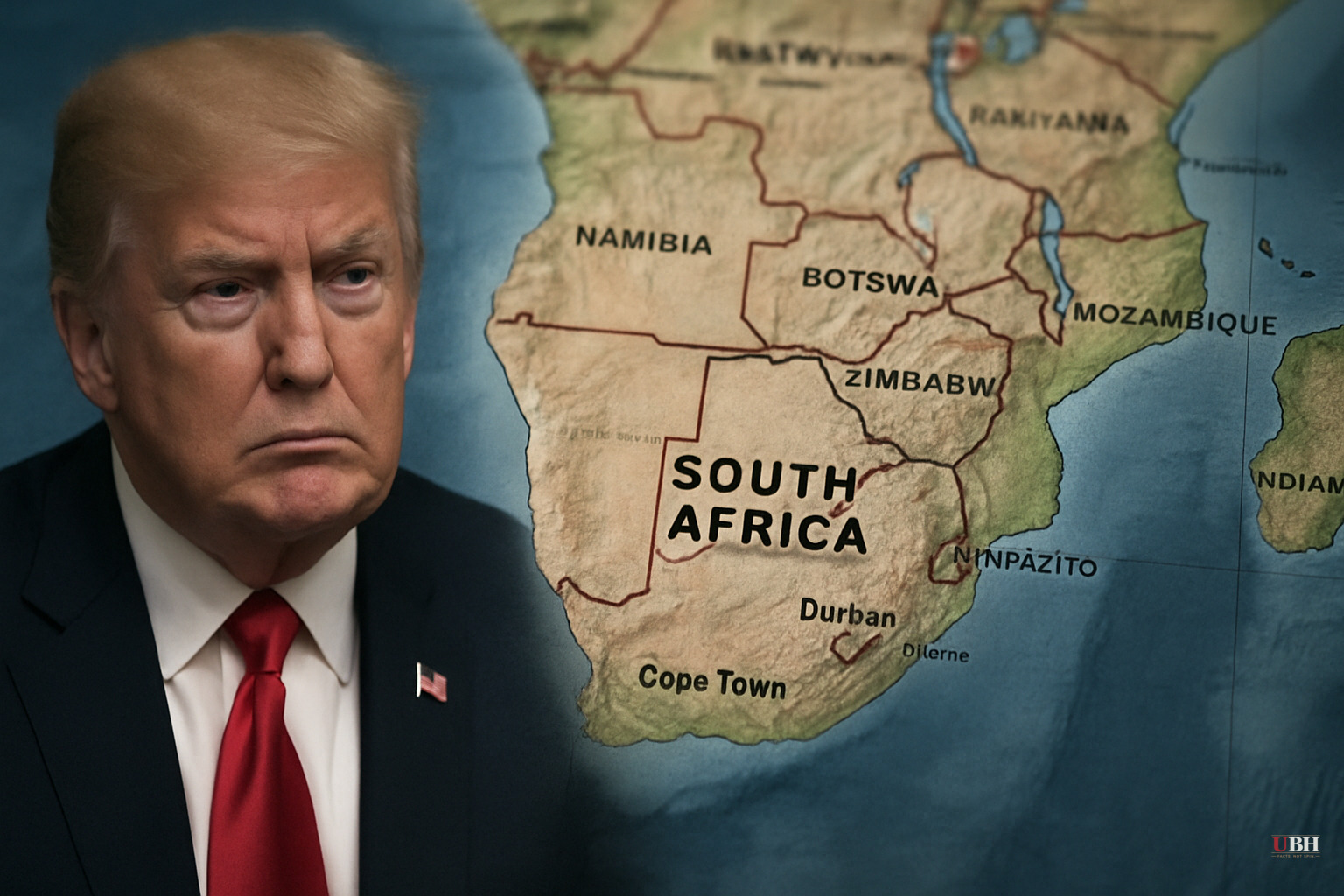
Trump Administration to Phase Out PEPFAR Funding for South Africa, Citing Diplomatic Failures.
What Was Decided
The Trump administration is initiating a phased withdrawal of PEPFAR funding for South Africa, according to a State Department official and two congressional aides who spoke with Semafor. The goal, per those aides, is to close out the program by early 2027, with healthcare worker funding continuing into 2027 while program awards wind down later this year.
US Ambassador Leo Brent Bozell III is expected to meet with South Africa's Ministry of Health in the coming weeks to formally deliver the news, according to Semafor.
South Africa's health ministry said it had NOT been officially notified of the decision, but told BBC News it had "long been working on a self-reliance plan."
The Numbers
PEPFAR has provided more than $8 billion to South Africa since President George W. Bush created the program. In recent years, US funding accounted for roughly 17 percent of South Africa's total HIV response spending, according to Physicians for Human Rights (PHR), which published a detailed impact report in April 2026.
South Africa has approximately 8 million people living with HIV, more than any other country in the world, according to BBC News and Semafor.
US contributions ran roughly $400 million per year, per BBC News. That funded about a fifth of South Africa's total HIV program spending. PHR notes that while South Africa funds its antiretroviral drug supply almost entirely with domestic resources, US money covered 80 to 100 percent of specialized programs for specific populations, including adolescent girls and young women, where HIV incidence remains persistently high.
Why the Administration Says It's Doing This
The State Department official told Semafor the decision stems from South Africa's "failure to make demonstrable progress on policy requests by the administration." Those requests, according to a Senate aide briefed on the decision, included: reducing South Africa's partnership with Iran, ending Black Economic Empowerment policies, and addressing the "Kill the Boer" anti-apartheid chant.
The State Department official also argued that "PEPFAR was never intended to be permanent" and that South Africa, as a middle-income country, "is more than capable of supporting its own health programs."
South Africa spends 16.8 percent of its national budget on domestic health priorities, per PHR. Its government funds antiretroviral treatment almost entirely on its own. The self-reliance argument is grounded in actual budget data.
The Conditions Are the Problem
The Senate aide quoted by Semafor pushed back directly: "None of these asks have anything to do with health. They're all political."
When congressional staff pressed State Department officials on whether they had conducted or planned a health impact assessment before pulling the funding, officials said they would "consider it," according to Semafor. The State Department offered no concrete timeline for such an assessment on an $8 billion program touching 8 million patients.
PHR's April 2026 report documented that as of late March 2026, HIV programs remained "impaired" across African countries more than a year after the initial 2025 funding disruptions began. The report also flagged concerns about bilateral agreements the US is negotiating with recipient countries under its "America First Global Health Strategy," calling the terms "extractive" and lacking epidemiological grounding.
The Diplomatic Backdrop
US-South Africa relations have deteriorated sharply since January 2025. Trump issued an executive order early in his second term alleging that South African policies fueled violence against "racially disfavored landowners." The administration expelled South Africa's ambassador in Washington and launched a refugee program for Afrikaners it described as fleeing persecution.
Trump has repeatedly alleged a white genocide is occurring in South Africa. South African President Cyril Ramaphosa visited the White House, but that meeting did not resolve the standoff. South Africa disputes the persecution characterization, arguing its Black Economic Empowerment policy corrects economic inequality rooted in the apartheid era, per BBC News.
The executive order also cited South Africa's genocide case against Israel at the International Court of Justice and its diplomatic ties with Iran as grievances.
What South Africa Actually Faces
One key concern: tying a public health program to geopolitical compliance sets a precedent that turns aid into a foreign policy lever, punishing sick people for their government's diplomatic choices. This critique applies regardless of where one stands on Black Economic Empowerment or South Africa's ICJ filing.
The administration's counter is that it has been running a $400 million annual subsidy for a country with the capacity to fund its own programs, and that the relationship has been marked by open diplomatic hostility. The self-reliance argument would be more credible if the conditions attached to continued funding were health-related rather than demands to change domestic economic policy and foreign alliances.
What Comes Next
PHR's report noted that as of April 2026, the US had NOT yet funded or implemented the frameworks under its new America First Global Health Strategy, despite that strategy having been published in September 2025. That gap between stated policy and actual implementation raises the most concrete unresolved question: whether South Africa can absorb the funding loss fast enough to prevent treatment disruptions for the populations, particularly adolescent girls, whose programs were funded almost entirely by US money.
Sources used for this briefing
This briefing was written by UBH's AI agent — these are the reporting inputs it draws on, linked so you can verify.


