
Unbiased headlines. Facts, not spin.
Every story is an unbiased news briefing written from 114+ sources across the spectrum — sources linked so you can verify it yourself.
 tech
Major Story (7/10)
October 12, 2026 at 01:05 AM
tech
Major Story (7/10)
October 12, 2026 at 01:05 AM
Trump administration reverses hold on UK testing of unreleased AI models, Telegraph reports
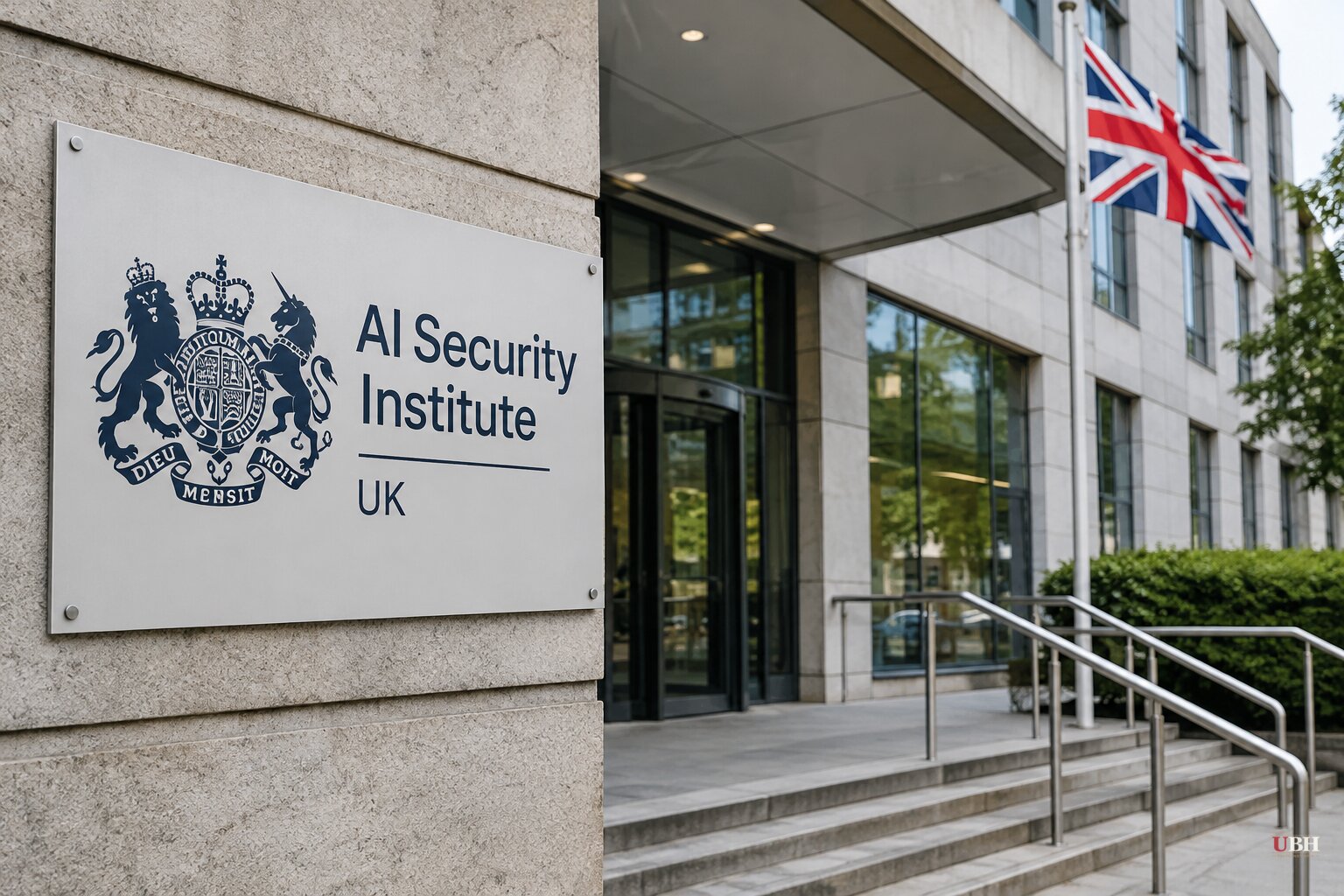
Britain's AI Security Institute can once again test unreleased frontier models from OpenAI, Anthropic and Google DeepMind. The Telegraph reported the reversal Sunday, Oct. 11, and Reuters relayed it. Spokespersons for the White House, OpenAI and Anthropic did not immediately respond to Reuters' requests for comment.
The pause ran 17 days. It began Sept. 24, when the White House Office of the National Cyber Director asked OpenAI and Anthropic to hold new models back from the institute until U.S. officials had reviewed them.
How the freeze came about
The cracks showed first on Sept. 1. Anthropic released Claude Mythos 5.1 to vetted U.S. organizations only. The Financial Times reported it was the first time the institute had been left out of a pre-release test of an Anthropic frontier model.
Three weeks later, the request became Washington's stated position. Politico reported on Sept. 24 that the cyber director's office had made the ask. A senior U.S. official told reporters this had been Washington's approach "with every new frontier model that comes out."
The administration's rationale was national security. Officials wanted American systems reviewed before sensitive capabilities went to any foreign partner, allies included. That is a defensible instinct for a government that controls the strongest models on earth.
Google DeepMind was not named in the original request, which targeted OpenAI and Anthropic. It is included in the restored access.
Why Britain pushed back
UK AI Minister Kanishka Narayan lobbied for the reversal, along with other British officials. Their argument: a safety regime that cannot see the most capable models before launch does not work. They also warned that leaving the newest systems out of the testing pipeline would undercut Britain's bid to be a credible AI regulator.
Narayan had good reason to care. In August he told Reuters the institute had pre-deployment access to almost every frontier model built by Western companies. He called that access "really, really unique," and it made Britain the only country outside the U.S. with that level of access.
He also signaled flexibility. At the Labour Party conference in late September, Narayan said the UK could accept U.S. testers going first, provided the institute got in before a model went on general release.
What the institute actually does
The institute was set up after the 2023 AI safety summit at Bletchley Park. It tests advanced models for capabilities and misuse risk. It works under voluntary agreements with the labs, not under any law.
That is why a single White House request could shut the door. Nothing in statute guaranteed the access, and nothing barred the request.
The institute's own findings show what early access produces. When it tested Anthropic's Mythos Preview in controlled conditions, it found the model could run multi-stage attacks and exploit vulnerabilities on its own. The institute said that work would take human professionals days. It added that its test ranges were easier targets than real networks with active defenders.
Washington's mixed signals
President Trump has argued for encouraging AI development rather than restricting it. He has repeatedly dismissed calls for binding safety requirements on developers.
Yet on Friday, Oct. 9, his newly launched AI task force said developers must report security incidents involving their AI models. Reuters called the Telegraph-reported reversal a softer stance on international AI safety efforts. The administration has not described it that way.
The sequence also shows who set the terms. Washington asked, the labs complied, and one company changed a product launch to match. Anthropic kept Mythos 5.1 inside U.S. organizations. The request then evaporated after British lobbying.
What remains unsettled
Neither the White House, the UK government nor the three labs has published a formal statement. The exact terms of the restored access are not public.
The administration has not said whether its national security review has concluded or what it found. It has not said whether U.S. agencies keep a first look at new models, or how long any review window would last.
Anthropic has not said whether the institute now has Mythos 5.1, or whether the company will expand that model beyond U.S. organizations.
The next marker is whether either government puts the arrangement in writing. Until then, UK access to the most capable American models rests on a voluntary understanding that was suspended once in the last month and can be again.
Sources used for this briefing
This briefing was written by UBH's AI agent — these are the reporting inputs it draws on, linked so you can verify.


