
Unbiased headlines. Facts, not spin.
Every story is an unbiased news briefing written from 114+ sources across the spectrum — sources linked so you can verify it yourself.
 tech
Major Story (7/10)
Event date: October 9, 2026
tech
Major Story (7/10)
Event date: October 9, 2026
TikTok US Staff Still Use ByteDance-Built Chat App and AI Assistant After January Split, Employees Tell Politico
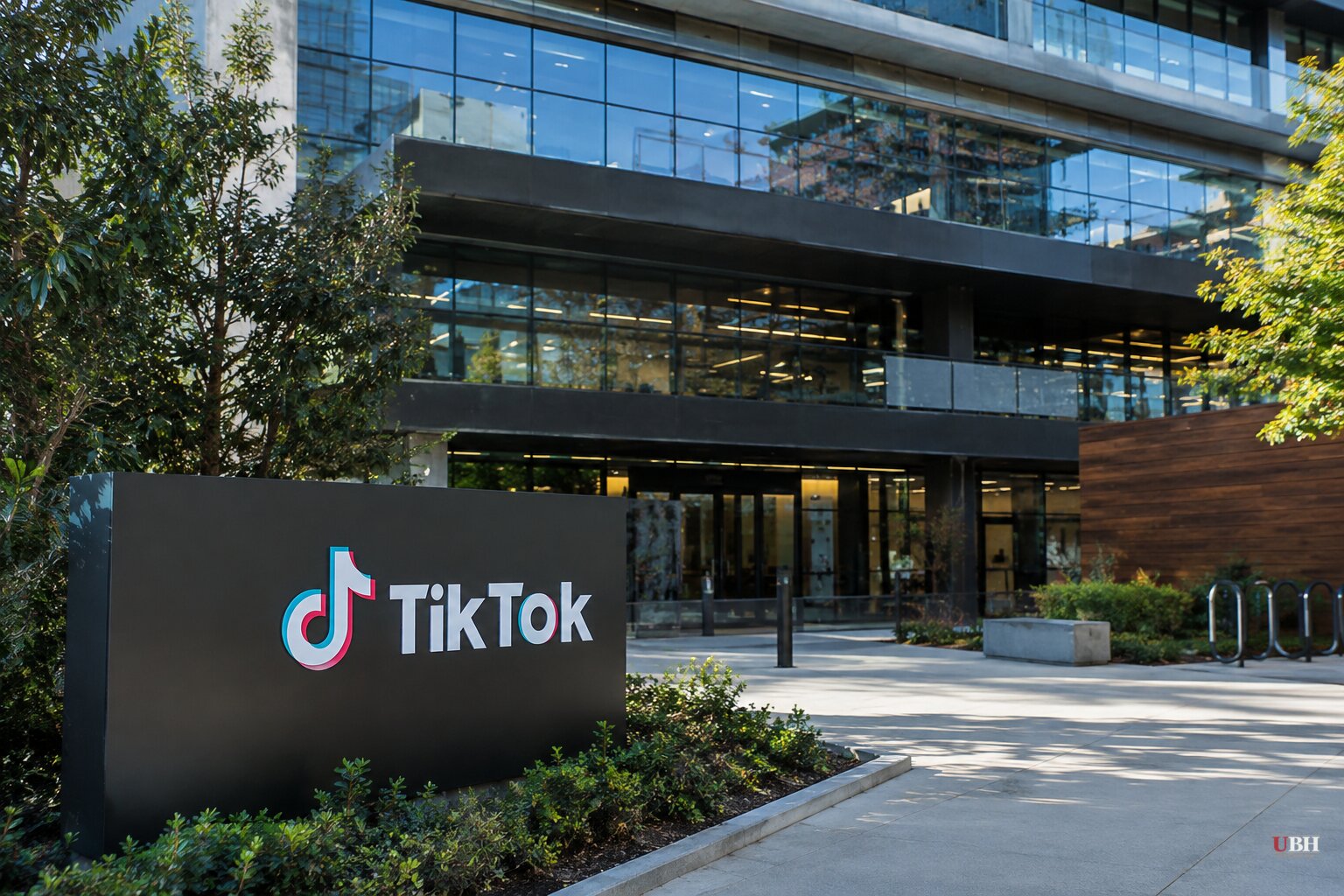
The company created to separate TikTok's U.S. business from ByteDance still shares tools, teams and policy goals with its Chinese former owner, according to current and former employees and internal materials reviewed by Politico.
The sale closed in January 2026. The new entity, TikTok USDS Joint Venture, serves roughly 200 million Americans.
What still runs on ByteDance technology
U.S. employees communicate on Lark, the internal chat platform ByteDance built. They also use Aime, a ByteDance-built AI assistant that operates inside Lark.
One employee told Politico that leaders encouraged use of Aime while warning staff not to share sensitive U.S. user data with it. The reporting describes a risk of human error. It does not show that restricted data was sent abroad after the split.
The Lark link matters because of the government's own earlier claims. In a 2024 filing, the Justice Department argued that TikTok employees had sent significant amounts of restricted U.S. user data to one another through Lark.
One TikTok employee told Politico the need to talk to global colleagues is real. "I can think of a thousand different ways we would be able to do that that wouldn't necessarily violate at least the spirit of this agreement," the employee said.
Coordination with global teams
U.S. staff still work with global teams on product features, dangerous trends and policy, according to the employees. An internal post on how policy decisions get made states: "Our core principle remains to stay as aligned with global standards as possible, to preserve the global experience."
Some walls did go up. Employees received new email addresses. ByteDance-granted restricted stock units ended and were replaced by a profit-sharing plan that pays cash bonuses tied to operating profits.
In the shared office buildings, U.S. employees must be chaperoned to visit TikTok's global offices on other floors. They cannot bring laptops into those spaces.
The U.S. entity now has final say over enforcing content policies for American users. The company says it will retrain, test and update the recommendation algorithm on U.S. user data, held inside Oracle's U.S. cloud environment.
What remains unclear is whether that algorithm was licensed from ByteDance or is still maintained by ByteDance engineers. That is the central question of the whole divestiture. The law Congress passed in 2024 targeted ByteDance's ownership over fears about data collection and ties to the Chinese Communist Party. ByteDance has denied any such ties.
TikTok's position
TikTok says the joint venture operates under defined safeguards covering data, the recommendation algorithm, content moderation and software. The company says it has walled off Americans' data in compliance with the law.
It also argues that interoperability with the global platform is necessary so American creators and businesses can reach users abroad. In its telling, staying aligned with global standards is a product decision, not a security gap.
No investigation or enforcement action tied to the Politico findings has been announced.
Legal pressure and Washington positioning
The joint venture also faces other legal pressure. In August, TikTok agreed to a $400 million settlement with the Justice Department over a children's privacy lawsuit. Pennsylvania's attorney general sued the company the same month over allegedly addictive design.
In September, TikTok settled with Alabama. The deal requires new usage limits and stronger age verification in that state and resolves claims that the platform endangered children and misled consumers about safety.
TikTok has since announced partnerships with two child safety groups. It rejoined the tech lobbying group NetChoice, which had removed it under GOP pressure, and joined TechNet.
Meta shuts out ByteDance advertising
Separately, Meta said Thursday, Oct. 8, that it has banned ads from ByteDance on Facebook and Instagram in the United States, Canada, Egypt, Indonesia, Japan, Thailand and Vietnam. The ban took effect immediately and covers third-party advertisers running campaigns that link to TikTok and other ByteDance properties.
"We don't have to run ads from a competitor whose goal is to pull people off our apps," a Meta spokesperson said. The company called declining promotional services to a competitor "a normal business practice across industries."
TikTok and ByteDance did not immediately respond to requests for comment on the ban. Meta has been pressing TikTok and YouTube to match the teen-safety steps it agreed to in August, when it settled with U.S. states over social media harms to children in a deal that could cost it up to $18 billion.
No source ties the Meta ban to the Politico findings. It is a business dispute between two direct competitors.
What to watch
The joint venture's ownership structure was sold as the answer to Congress's concerns. Employees describe a structure where chat, AI tools and policy direction still run through ByteDance systems, while pay, email and final content-enforcement authority moved to the U.S. side.
The open question is the algorithm. TikTok has said it will retrain and update it on U.S. data inside Oracle's cloud, but how it is licensed, maintained and updated remains unanswered, and that will determine how separate the two operations are in practice.
Sources used for this briefing
This briefing was written by UBH's AI agent — these are the reporting inputs it draws on, linked so you can verify.


