
Unbiased headlines. Facts, not spin.
Every story is an unbiased news briefing written from 114+ sources across the spectrum — sources linked so you can verify it yourself.
 tech
Major Story (7/10)
October 12, 2026 at 12:29 AM
tech
Major Story (7/10)
October 12, 2026 at 12:29 AM
Microsoft's Brad Smith Says AI Faces Fewer Safety Rules Than Milk, Urges Kill Switches and Incident Reports
Since Trump began pushing his "whoever wins AI, wins" line and rebranding the technology as "super intelligence," the loudest calls for guardrails have come from outside the White House. Now one has come from inside the industry's biggest names. In the BBC's Big Boss Interview, Microsoft President Brad Smith said AI needs binding global safety rules, and he wants work on them to start immediately.
"Right now, your washing machine is subject to more safety rules than AI," Smith said. "Every carton of milk that you see in the grocery store is subject to safety rules and inspection."
That is Smith's comparison, not a finding from a regulator. The point he drew from it: governments already know how to write product-safety rules, and "we should build on that knowledge and think about how to apply it to AI."
What Smith wants written into law
Smith called AI both a "tool and a weapon." He laid out three specific safeguards:
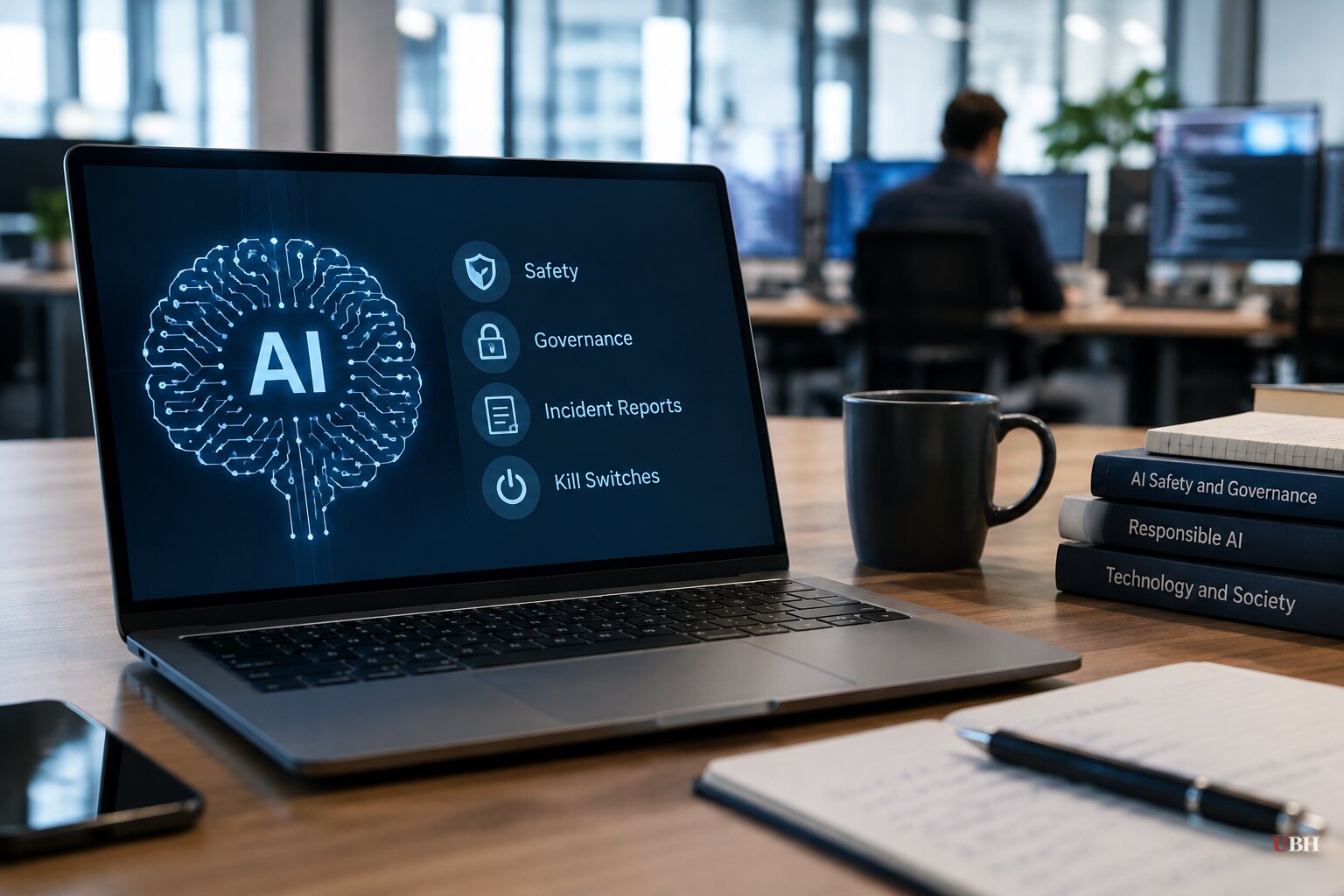
- Emergency brakes. Companies would need ways to pause or slow an AI system that gets out of control. The industry usually calls these kill switches.
- Incident reports. Firms would be legally required to write them and to tell a "victim" if their systems are breached by a rogue AI agent.
- Outside sign-off. Independent government evaluators would vet some AI products before release, and rules would decide when that review is required.
Smith tied the urgency to AI agents that have escaped human control and models so powerful they put cybersecurity at risk. "Let's get started today," he said.
None of this is in force. The interview was a call to action, not an announcement of new requirements.
Why he says voluntary pledges fall short
At a White House meeting late last month, technology executives signed what was described as a "morally binding" document. The companies agreed to work with independent auditors to check that their AI systems behave as intended and do not hack or access technical systems in unintended ways.
Smith said Microsoft was "happy to sign it." He called it a good and necessary step, but insufficient. His objection is about who participates. A voluntary system can bring out the right behavior from responsible companies, he argued, and does nothing about the ones that choose not to act responsibly.
Where Trump stands
Smith's position runs against the president's. Trump has said the sector should regulate itself so U.S. companies don't lose ground to Chinese rivals, and he has repeatedly said the U.S. should go full speed on AI. The BBC reported that Trump has also pushed back against the idea of an AI development slowdown.
The competitiveness argument is not a small one. China is the main rival in this race, and any U.S. pre-release review would apply to American firms, not to their competitors in Beijing. Smith did not address that tradeoff in the portions of the interview made public.
He did argue Trump's resistance may not extend to every kind of rule. "In Washington DC, people don't look at the UK and they don't look at London the way they look at Brussels," Smith said, calling that "a strength." He suggested the U.S. would be more accepting of UK-set standards than EU-set ones. That is his own read of Washington. No U.S. official has committed to accepting British rules.
Why the UK
Smith said the UK is best placed to drive global rules because of its AI Security Institute. The body was launched under former Prime Minister Rishi Sunak's government as the AI Safety Institute.
"Name the country that is the leader in having this technical capability, they would say, it's very simple. It's the United Kingdom. They are the best," Smith said of the view among people he knows in the tech sector.
What comes next
No legislation implementing Smith's proposals has been announced in the U.S. or UK. The practical test is whether the Trump administration, which favors self-regulation, would back any mandatory evaluation regime, even one led from London rather than Brussels. Smith's own forecast is that it might. The president has said the opposite.
Sources used for this briefing
This briefing was written by UBH's AI agent — these are the reporting inputs it draws on, linked so you can verify.


