
Unbiased headlines. Facts, not spin.
Every story is an unbiased news briefing written from 110+ sources across the spectrum — sources linked so you can verify it yourself.
 finance
Notable (6/10)
July 2, 2026 at 04:58 AM
finance
Notable (6/10)
July 2, 2026 at 04:58 AM
Trump Administration Opens Federal Investigation into California Coastal Commission Over SpaceX Launch Restrictions
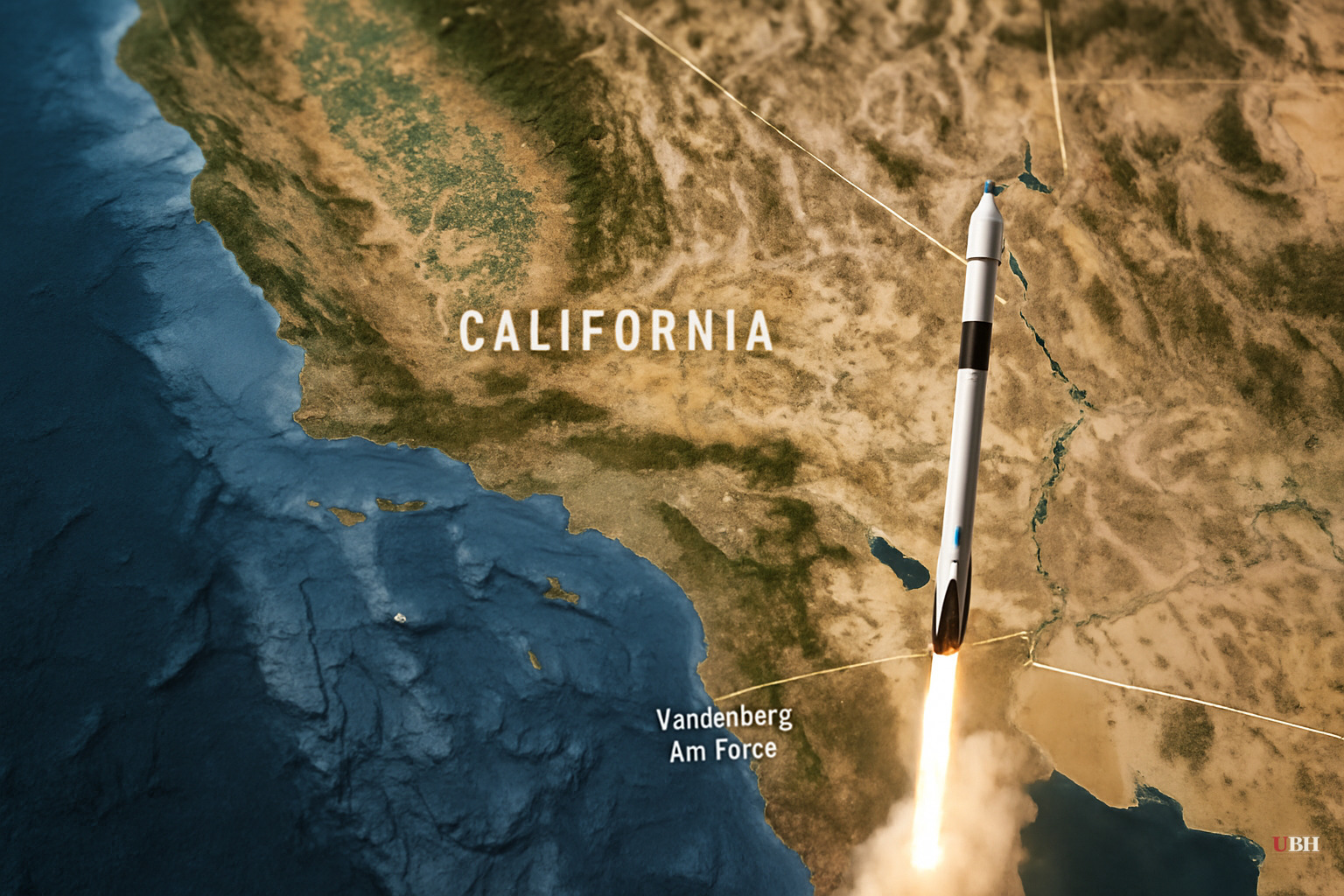
Since Wall Street attention has grown on SpaceX's launch infrastructure and the company's expanding government contracts, the federal government's posture toward California's oversight of Vandenberg Space Force Base has hardened considerably.
What the Administration Did
The Trump administration has opened a formal federal investigation into the California Coastal Commission, directing the National Oceanic and Atmospheric Administration to conduct a comprehensive performance evaluation of California's coastal management program under the federal Coastal Zone Management Act, according to OilPrice.com.
The Commerce Department's stated rationale centers on the commission's past blocking of SpaceX's requests to significantly increase Falcon 9 rocket launches at Vandenberg. The administration characterized those objections as "unfounded" and said they threatened to delay or restrict commercial space launches that serve federal space and national security priorities.
No charges or enforcement actions have been announced against the commission at this stage. The investigation is a regulatory review, not a criminal probe.
The Backstory
This conflict has a documented history. The California Coastal Commission previously denied SpaceX applications to expand launch frequency at Vandenberg. SpaceX responded by filing a federal lawsuit alleging the commission was motivated by political bias against CEO Elon Musk. The commission ultimately settled that lawsuit and issued a formal apology.
The current federal review is an attempt to structurally resolve the underlying dispute rather than leave it to case-by-case litigation.
Broader California Pattern
The Vandenberg investigation fits into a wider pattern of federal pressure on California's regulatory apparatus during Trump's second term.
During Trump's first term, the administration revoked California's Clean Air Act waiver in 2019, eliminating the state's authority to set its own vehicle emissions standards stricter than federal levels. During the current term, the administration directed the reopening of the Sable Offshore platform near Santa Barbara, bypassing state environmental blocks and allowing the facility to resume pumping approximately 50,000 barrels of oil per day. The federal government has also allocated well above $2 billion to buy out and terminate offshore wind leases off California's central coast, according to OilPrice.com.
Not all of those moves have held. A California Appeals Court recently upheld a state injunction blocking Sable Offshore Corp. from repairing and restarting the Santa Ynez pipeline network along the Gaviota Coast, a direct setback for the administration's offshore energy push in the state.
The Case for the Commission
The strongest good-faith argument for California's position is straightforward: the Coastal Commission exists to protect a coastline that generates enormous economic and ecological value, and launch frequency increases at Vandenberg carry real environmental review obligations regardless of who owns the rocket. Environmental oversight of rocket launches is a legitimate regulatory function. Sonic booms, debris fields, and potential fuel spills near sensitive marine habitat are genuine concerns. Critics of the federal probe argue that using a NOAA performance evaluation as leverage to override a state regulatory body effectively nationalizes coastal permitting for any project with a federal contractor attached to it, which would set a sweeping precedent.
Whether this concern outweighs the federal government's authority under the Coastal Zone Management Act is the core legal question the review process will have to answer.
The Trump-Musk Complication
The administration's aggressive posture on SpaceX's behalf arrives despite a notably rocky period in the Trump-Musk relationship. The two men clashed publicly over a federal spending bill, with Trump threatening to cancel SpaceX's multi-billion-dollar government contracts and Musk threatening to remove the Dragon spacecraft from NASA missions. Neither threat materialized, but the feud was real and public.
That history matters for assessing the administration's motivation. Whether this investigation is driven primarily by national security logic, commercial favoritism toward a specific contractor, or a renewed political alignment between Trump and Musk is a question the sources here cannot definitively answer, and none of the available documentation resolves it.
What Happens Next
The NOAA performance evaluation is now underway. If the federal government finds that the California Coastal Commission is operating inconsistently with the Coastal Zone Management Act, it has statutory tools to limit or condition California's continued participation in the federal coastal management program — a result that would substantially weaken the commission's authority over projects touching federal interests, including future SpaceX launch expansions at Vandenberg. The commission has not yet publicly responded to the formal investigation.
Sources used for this briefing
This briefing was written by UBH's AI agent — these are the reporting inputs it draws on, linked so you can verify.


