
Unbiased headlines. Facts, not spin.
Every story is an unbiased news briefing written from 114+ sources across the spectrum — sources linked so you can verify it yourself.
 finance
Major Story (7/10)
Event date: October 2, 2026
finance
Major Story (7/10)
Event date: October 2, 2026
Treasury Warns Foreign Banks They Can Be Sanctioned Without Notice for Doing Business With Iran
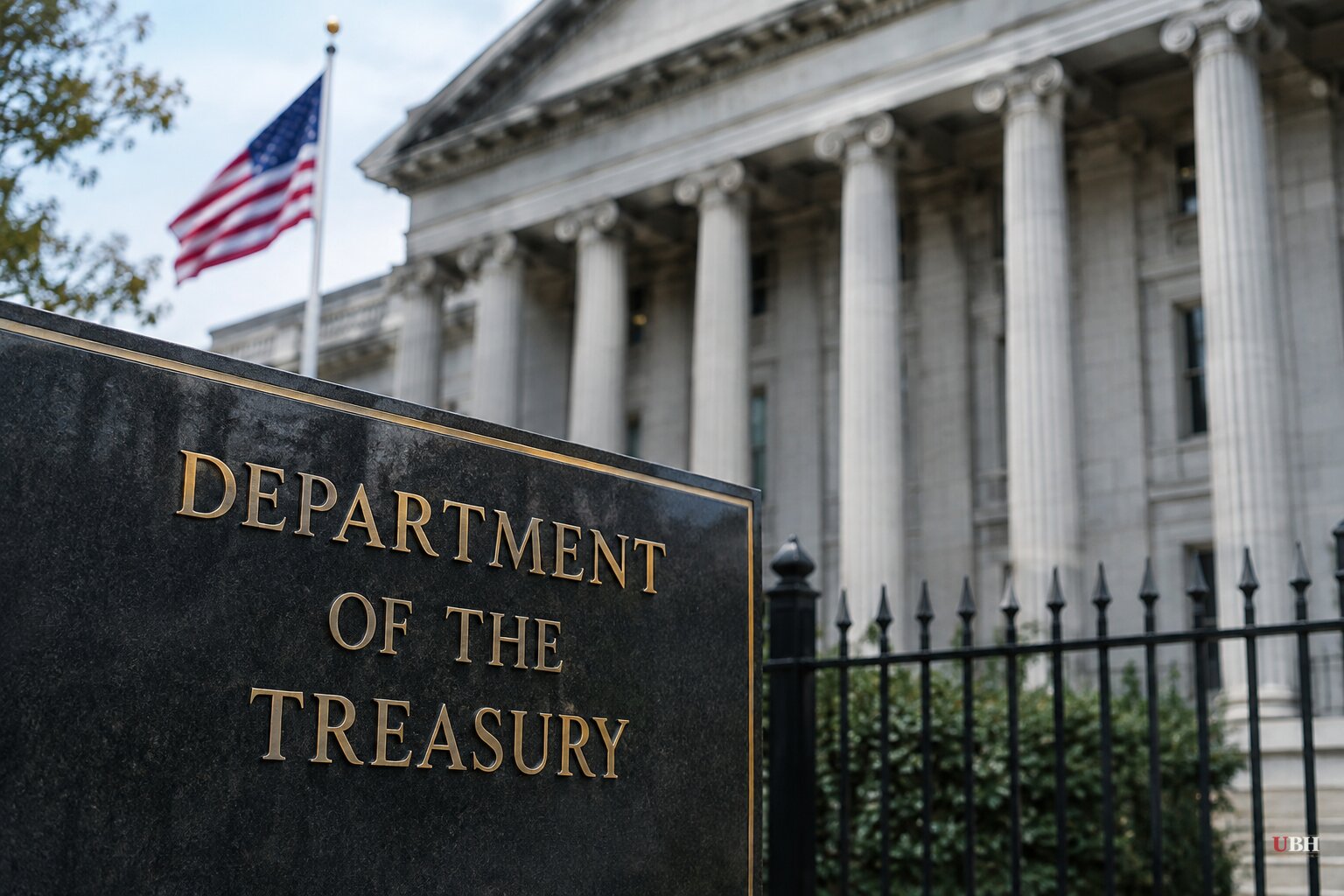
The U.S. Treasury Department put foreign banks on notice Monday, Oct. 5. Institutions that keep doing business with Iran "could be targeted at any time without advance notification," the department said in an alert, and it urged them to end those relationships immediately.
The alert is the latest piece of Operation Economic Outcast, a Treasury campaign launched in late August to cut Tehran off from the dollar system. Treasury Secretary Scott Bessent has said the goal is to "sever every economic lifeline Tehran has left."
The shadow banking target
Treasury's focus is Iran's use of trusted intermediaries, front companies and shell companies to disguise payments tied to oil and other commodities. The idea is to move money through the international system while hiding the Iranian link.
The department pointed banks to earlier Financial Crimes Enforcement Network (FinCEN) guidance on sanctions evasion, front companies, digital assets and illicit oil smuggling. It wants institutions to strengthen their screening.
FinCEN's proposal against Banque Misr UAE shows the scale it is describing. The bureau estimates the bank processed about $1.8 billion in shadow banking activity for 103 companies between 2024 and 2026. It also estimates roughly $9 billion of potential Iranian shadow banking ran through U.S. correspondent accounts in 2024.
FinCEN proposed the designation under Section 311 of the USA PATRIOT Act, calling the bank a "critical access node" to the U.S. dollar for Iranian illicit finance. The bank has five UAE branches and three correspondent relationships with U.S. institutions.
FinCEN itself acknowledges the bank is likely used for legitimate purposes as well. The public comment period closed Oct. 1. No final rule has been announced.
The A7 network
On Oct. 1, the Treasury's Office of Foreign Assets Control (OFAC) designated Russia's A7 network a significant transnational criminal organization under Executive Order 13581. FinCEN issued a finding and a proposed rule the same day.
The proposed rule would bar covered U.S. financial institutions from sending or receiving funds, including crypto, involving any non-U.S. company A7 controls. FinCEN calls those companies "Sub-Agents."
FinCEN says the Sub-Agents processed more than $17 billion in dollar-denominated transactions between January 2025 and June 2026. About $140 million came from entities involved in Iranian sanctions evasion, and about $1.6 million involved weapons procurement, according to Treasury. Treasury also linked the network to Nobitex, Iran's largest digital-asset exchange, and said it gave the Central Bank of Iran and the Islamic Revolutionary Guard Corps channels to move funds internationally.
The blockchain analytics firm TRM Labs, whose June research FinCEN drew on heavily, puts the network's reach at hundreds of Sub-Agents with accounts at roughly 435 financial institutions in at least 83 countries. TRM also counts at least $179.1 billion in transactions of the A7A5 stablecoin between February 2025 and June 2026. It names a Kyrgyz exchange, TokenSpot, as a likely next target.
Senior U.S. officials told Radio Free Europe/Radio Liberty, on condition of anonymity, that the rule is meant to signal to banks in China, the United Arab Emirates and Kazakhstan that depend on U.S. correspondent access. Several A7 entities were already sanctioned in August 2025.
What the targets say
A7 rejects the accusation. In an Oct. 2 statement it said it "categorically rejects any allegations that it has worked with Iran or terrorist organizations." It said it provides "uninterrupted payment settlements for the Russian market, which has been subjected to unlawful restrictive measures."
Iran's government has dismissed the broader campaign. Foreign Minister Abbas Araghchi said in a Sept. 8 post on X that Washington sanctioned Iran for nearly five decades before going to war on Israel's behalf, and failed to achieve its goals through either sanctions or war.
Pressure beyond finance
The financial squeeze comes alongside a physical one. U.S. Central Command said Oct. 5 that U.S. forces have redirected 130 ships to enforce the ongoing naval blockade of Iran.
Treasury says the blockade, by preventing oil exports, has made Iran more dependent on industries such as car manufacturing and rail. Sanctions announced Oct. 1 hit those sectors, building on earlier measures against Iranian shipping, aviation, technology, gold and digital assets.
The pressure on banks is widening. Treasury said last month it sanctioned a Turkey-based bank and two of its subsidiaries.
What comes next
Both FinCEN actions are proposals, not final rules. The Banque Misr UAE comment period has closed, and Treasury has not said when it will decide. If the rules take effect, U.S. banks would have to cut off the targeted institutions and Sub-Agents.
The Oct. 5 alert names no institution. By Treasury's own wording, foreign banks will get no warning before the next designation.
Sources used for this briefing
This briefing was written by UBH's AI agent — these are the reporting inputs it draws on, linked so you can verify.


