
Unbiased headlines. Facts, not spin.
Unbiased Headlines is an independently owned news organization. We bring you the facts, not opinions, written fresh from 110+ named sources. Sources linked so you can verify it yourself.
 defense
Major Story (7/10)
Event date: October 8, 2026 ·
defense
Major Story (7/10)
Event date: October 8, 2026 ·
Treasury Sanctions Iraqi Bank and Iranian Offshore Lenders in Latest Economic Outcast Round
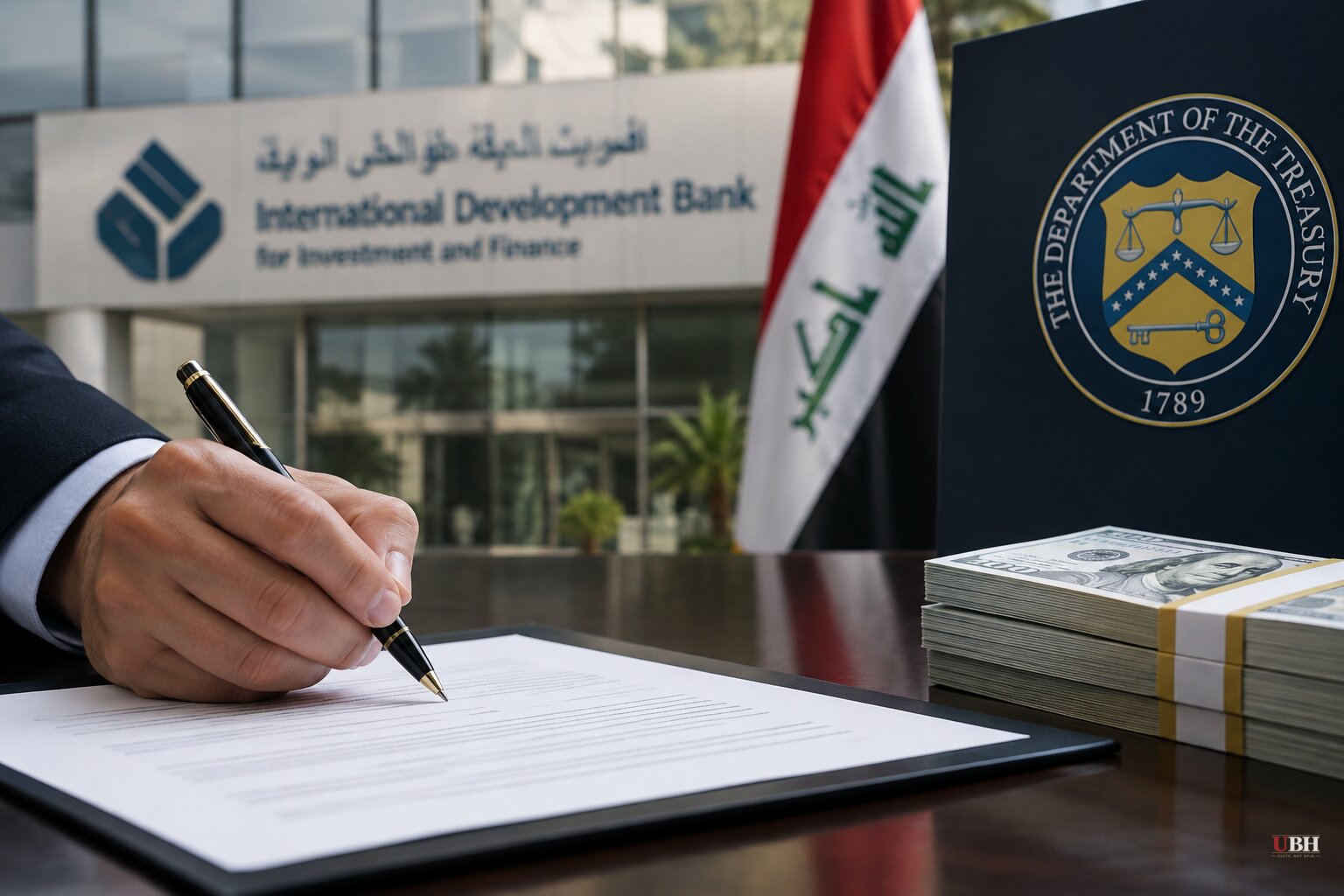
The U.S. Treasury Department sanctioned an Iraqi bank on Thursday, Oct. 15, accusing it of helping Iran get its hands on American dollars. It is the newest round of Operation Economic Outcast, the sanctions campaign Treasury launched Aug. 24.
The Office of Foreign Assets Control designated 16 individuals and 10 entities in the action. The headline target is the Iraq-based International Development Bank for Investment and Finance, known as IDB.
Treasury accuses IDB of providing Iran with access to U.S. dollars and of maintaining ties to Iranian government entities and Iran-aligned armed groups. Those are Treasury's allegations. The bank's response was not part of the announcement.
Offshore banks and shadow financiers
The designations also reach Iranian offshore banks operating in free trade zones, exchange houses, and financial operatives. Free trade zones can run with lighter oversight than mainland banking systems, which makes them useful for routing money through accounts that don't look obviously Iranian.
One named target is Sayyed Ruhollah Razavi, an oil intermediary. Treasury says he helped move Iranian funds and oil revenues through foreign companies and financial networks.
In its statement, Treasury said these institutions and shadow financiers have moved hundreds of millions of dollars through shell companies and foreign-exchange specialists across the Middle East and Asia. It says the goal is to sever revenue streams that sustain Iran's military and proxy forces.
A campaign built in rounds
Thursday's move is one step in a sequence. When Treasury Secretary Scott Bessent announced the campaign on Aug. 24, he called it an "economic onslaught against Iran's financial connections around the globe," and later described it as an "Economic D-Day." One outlet reports the sanctions have now designated over 60 entities, individuals, and vessels.
The sectors hit so far read like a checklist of how a sanctioned state keeps trading: shipping, aviation, technology, gold and digital assets.
- Sept. 17: Treasury sanctioned BitBank, a crypto platform it said facilitated Bitcoin transfers to the Islamic Revolutionary Guard Corps.
- Oct. 1: Treasury hit Iran's automotive and rail sectors. It designated Iran Khodro and SAIPA, which Treasury says make up more than 90 percent of Iran's domestic auto market, along with suppliers based in the UAE, Turkey and Hong Kong.
- Oct. 8: Treasury identified 17 vessels it said are part of Iran's remaining shadow fleet, carrying crude to markets in South and East Asia, including China.
- Oct. 15: the Iraqi bank and offshore lender designations.
A separate action went after the A7 Network, a shadow banking network with ties to Russia that Treasury says Iran uses to evade sanctions. FinCEN proposed a rule that would prohibit transmittals of funds involving the network's sub-agents and issued an alert to help financial institutions spot related activity. OFAC also sanctioned A7 as a significant transnational criminal organization.
The legal backbone for much of this is Executive Order 13902, which targets Iran's financial and petroleum sectors.
The blockade and the rial
The sanctions run alongside a U.S. military blockade of Iranian oil exports. U.S. Central Command said that as of Sept. 30, American forces had redirected 125 ships to enforce it.
Treasury says the blockade has pushed Iran to lean harder on other industries, which is why autos and rail were targeted. In its Oct. 1 statement, Treasury called them "some of the last significant elements of Iran's failing industrial infrastructure."
Under Secretary for International Affairs Erin Browne pointed to Iran's currency as evidence. She told Fox Business this week that the rial hit an all-time low Tuesday, with an exchange rate of more than 2.5 million rials to the dollar. "I think the Iranians know that the U.S. is winning," she said. She added that the U.S. would be "completely relentless" in isolating Iran from the global financial system "as long as this conflict remains in practice."
Bessent has made bigger predictions. On Sept. 27 he said Iran would have "nothing to trade for anything, probably within the next two weeks" once it finished delivering its remaining oil exports. This week he said Iran will have no oil revenue for the first time in history, and posted on X that "Iran loaded ZERO crude oil onto tankers in September." These are administration claims.
Pressure on third countries
The campaign is designed to reach past Iran. At launch, Treasury said teams from the Departments of Treasury, State and War were engaging counterparts around the world, and that "every country will be given a defined timeline to shut down the Iran-related activity we have identified. If they fail to act, Treasury will act."
The IDB designation is the sharpest example yet. One of Iraq's banks now faces a cut-off from the American financial system. Treasury has said any entity facilitating money laundering or sanctions evasion for Iran risks exactly that, and that the campaign expands secondary sanctions exposure for those who keep doing business with Tehran.
Bessent's line on the campaign, in the Oct. 8 statement: "No enabler of Iranian sanctions evasion is safe from the full force of Treasury's authorities."
It is unclear how far that reaches. The shadow fleet's crude is headed to buyers in China and elsewhere in Asia, and Treasury has so far named ships, brokers and mid-sized banks rather than major foreign institutions. The FinCEN rule on the A7 Network is still a proposal. Treasury says it will keep monitoring the maritime and financial networks and disrupt new evasion attempts as they appear.
Sources used for this briefing
7 links from 7 independent newsrooms (syndicated copies of the same report count once)
These are the sources it draws on, linked so you can verify.


