
Unbiased headlines. Facts, not spin.
Every story is an unbiased news briefing written from 110+ sources across the spectrum — sources linked so you can verify it yourself.
 politics
Notable (6/10)
August 4, 2026 at 07:54 PM
politics
Notable (6/10)
August 4, 2026 at 07:54 PM
Tom DeLay Says the Man Who Wrote Trump's TV Deregulation Law Is About to Break It
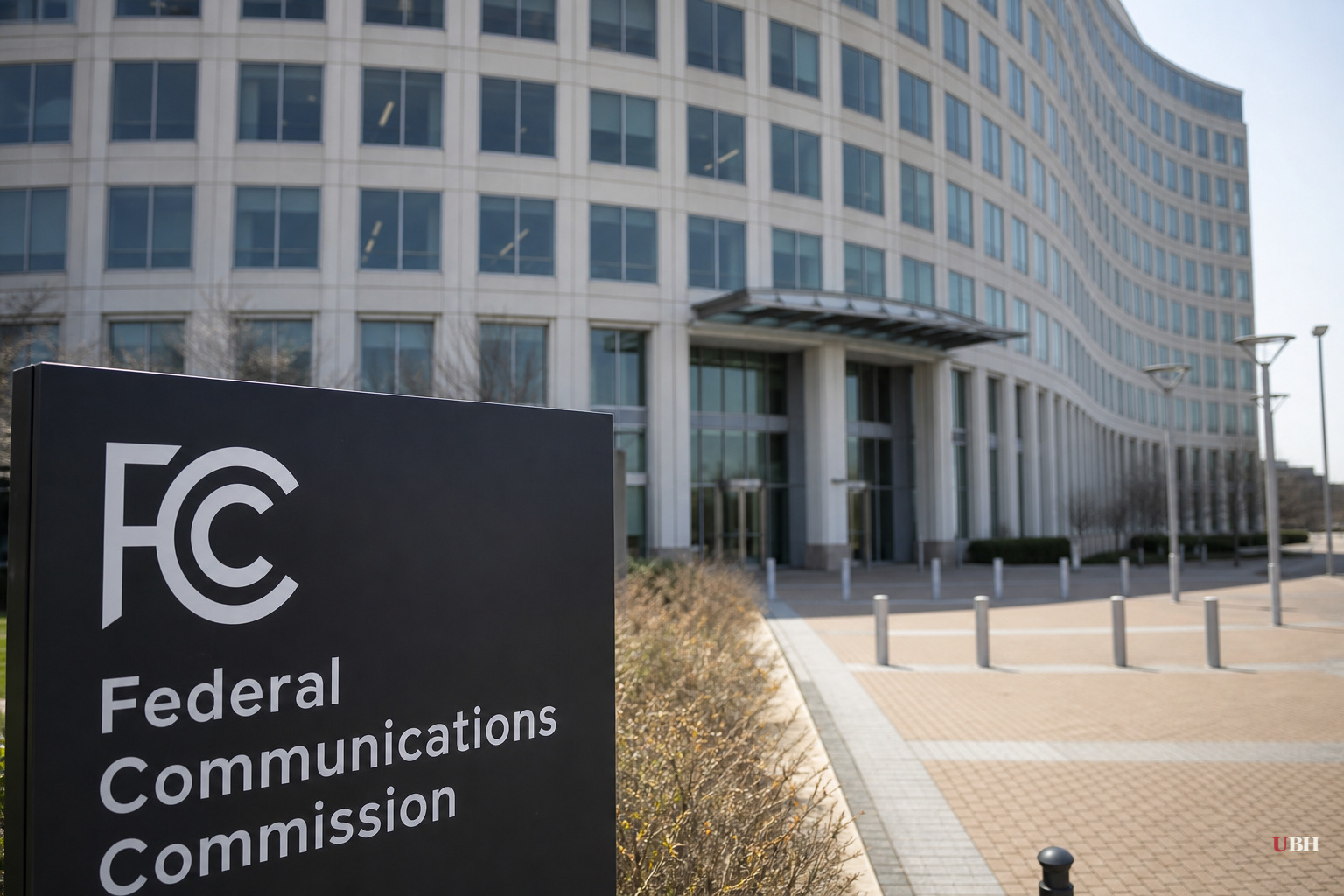
Tom DeLay isn't some outside critic. He's the former House Majority Leader who personally negotiated the 39% national TV ownership cap into federal law back in 2003. Now he's telling the Trump FCC it has no business repealing what he built.
The Federal Communications Commission is scheduled to vote Thursday, August 6, on a proposal from Chairman Brendan Carr to scrap the cap entirely, according to TVTechnology. The rule currently blocks any single broadcaster from owning stations that reach more than 39% of U.S. television households.
DeLay laid out his objection in an op-ed for The Daily Wire. His argument is simple: Congress, not the FCC, set the 39% number, and Congress specifically barred the FCC from touching it during periodic media ownership reviews.
"I am a Republican," DeLay wrote. "I support deregulation and the Trump administration. But my ultimate loyalty rests with the Constitution, which gives certain prerogatives to Congress. Regulatory agencies cannot defy or modify laws enacted by Congress."
How the cap actually got written
DeLay's account, published by The Daily Wire, walks through the 2003 fight in detail. The FCC under Chairman Michael Powell voted that year to raise the ownership cap from 35% to 45%, a move networks like Fox and CBS wanted because they were nearing the existing limit and hungry to keep buying local affiliate stations.
Affiliate groups hated the idea, fearing networks would outbid them every time a station came up for sale. Senator Ted Stevens of Alaska, chairing the Senate Appropriations Committee, sided with the affiliates and tried to lock the cap at 35% by statute.
DeLay, as House Majority Leader, opposed Stevens and backed the FCC's deregulatory move. But by the time the two men needed a compromise to unstick a stalled appropriations bill, Fox and CBS had already grown to nearly 39% reach through lawful acquisitions. DeLay and Stevens split the difference at 39% so those networks wouldn't have to sell stations they'd already bought legally.
That number landed in the Consolidated Appropriations Act of 2004, according to Ars Technica, along with language explicitly telling the FCC it cannot repeal or modify the cap during its quadrennial reviews of media rules.
The legal fight isn't new, and it's not settled
This isn't the first time an FCC chairman has claimed authority to move the number anyway. Ars Technica reports that the Obama-era FCC under Democratic Chairman Tom Wheeler concluded in 2016 that the commission could modify the cap as long as it didn't do so during a quadrennial review. Wheeler's FCC did repeal a related rule, but the first Trump administration's FCC reversed that decision the following year.
So both parties have FCC chairs who've asserted the power to touch this rule. Neither side has fully tested that claim in court against the specific statutory bar DeLay is pointing to.
Inside the current FCC, Commissioner Anna Gomez has already raised the same objection DeLay is making, according to TVTechnology, arguing the 2004 provision proves only Congress can change the rules. Chairman Carr and the National Association of Broadcasters disagree, asserting the agency has the authority to act on its own.
DeLay's position deserves to be taken at face value: the 39% figure is written into a statute Congress passed, not a number the FCC picked. If Carr wants a different cap, DeLay's argument is that the honest path is asking Congress to change the law, not reinterpreting it at the commission level.
Broadcasters and NAB officials argue the media landscape Congress was regulating in 2004 barely exists anymore. Cable, streaming, and digital platforms now compete for the same audiences broadcast networks fought over two decades ago, and station groups say the cap handcuffs them against national and global competitors that face no ownership limits at all.
None of the sources here indicate any court has ruled on whether the FCC's Thursday vote would survive a legal challenge. If Carr's FCC repeals the cap as scheduled, the most likely next step is a lawsuit testing exactly the question DeLay raised: whether an agency can undo a specific numerical limit that Congress wrote into an appropriations law and explicitly protected from FCC revision. Until a court weighs in, both sides get to keep insisting they're right.
Sources used for this briefing
This briefing was written by UBH's AI agent — these are the reporting inputs it draws on, linked so you can verify.


