
Unbiased headlines. Facts, not spin.
Every story is an unbiased news briefing written from 110+ sources across the spectrum — sources linked so you can verify it yourself.
 health
Low Interest (3/10)
July 27, 2026 at 08:11 AM
health
Low Interest (3/10)
July 27, 2026 at 08:11 AM
TikTok Creator Rebecca Luna Dies at 49 Under Canada's Assisted Dying Law After Alzheimer's Diagnosis
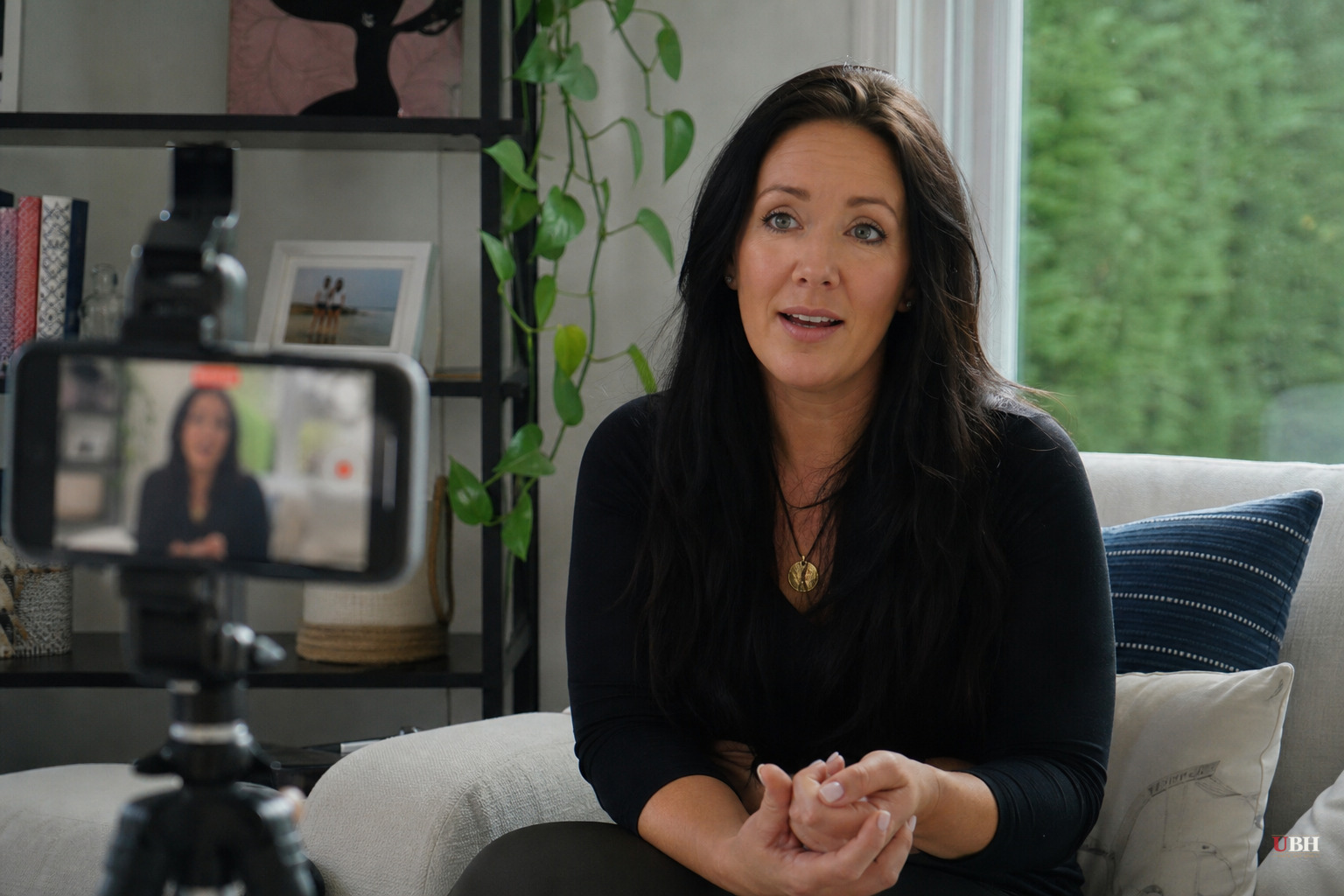
Rebecca Luna, a 49-year-old single mother from Victoria, British Columbia, died Saturday, July 25, using Canada's medical assistance in dying program, according to a post on her TikTok account and confirmed by her eldest daughter, Maya, on a GoFundMe page set up for end-of-life costs. She died at approximately 1:15 p.m., surrounded by loved ones.
Luna had built a following of more than 90,000 people on TikTok, with figures ranging from 47,000 to 94,000 cited across outlets including the NY Post, PerthNow, Complex and CityNews Vancouver, after revealing in April 2025 that she'd been diagnosed with young-onset Alzheimer's at age 48. Young-onset Alzheimer's refers to cases diagnosed in people under 65, a rarer and faster-moving form of the disease.
She used her platform to document doctor's appointments, her emotional decision-making process, and eventually her advocacy for what she called end-of-life autonomy. According to Complex, one bright spot in her final months came when singer Lily Allen saw a post about Luna's bucket-list wish to meet her and invited Luna to a concert, an experience Luna called one of the happiest moments of her life.
Luna had initially scheduled her assisted death for early August. In a final TikTok video, she explained she moved the date up to July 25 because her condition was deteriorating faster than expected.
"Prior to the dates changing for the last year and a half has been legally and medically not my choice," Luna said, according to the NY Post. "But for the last two weeks I've been making the decision. And it's a hard decision to make, because I'm living in a body that doesn't feel comfortable, safe, good, nothing. It feels terrible. And so the idea of waiting two weeks felt like too much."
She also reflected on a difficult past. "I've had a really traumatic life. I've already gone through enough suffering. I've suffered enough in this world," she said, adding that going through Alzheimer's while staying sober was, in her words, "amazing" given her history with addiction.
The legal backdrop
Canada legalized medical assistance in dying, known as MAID, in June 2016. At first it was restricted to patients with a terminal illness or whose natural death was "reasonably foreseeable." That requirement was dropped in March 2021, opening MAID to a broader group of patients whose deaths were not imminent.
That 2021 expansion remains contested. Critics, including disability rights advocates in Canada, have argued for years that loosening the "reasonably foreseeable death" standard risks pulling in people whose suffering stems partly from inadequate housing, poverty, or lack of disability support rather than a terminal condition with no other options. Nothing in the reporting here suggests Luna's decision involved anything other than her own stated wishes about a diagnosed, progressive brain disease with a five-to-seven-year life expectancy she'd already been given.
Statistics Canada estimates roughly 750,000 Canadians live with Alzheimer's or another form of dementia, according to CityNews Vancouver, which also reported the disease is more common in women and that women are twice as likely to die with it as men.
What the coverage shows and what it doesn't
The four accounts of Luna's death are consistent on the core facts: her diagnosis, her age, the date and time of her death, and her decision to move up her MAID appointment. They diverge on smaller details, follower counts ranging from 47,000 to 94,000 across outlets, and the exact original name of her hometown (Victoria versus the broader "British Columbia" description used by the NY Post and PerthNow).
None of the four sources report any legal dispute, regulatory review, or challenge to how Luna's specific MAID approval was granted. No investigation into her case has been announced. Her family set up a GoFundMe that had raised more than $9,000 as of the reporting, intended to cover funeral and end-of-life costs so her daughters wouldn't bear that burden while grieving.
Luna is survived by two daughters, according to CityNews Vancouver. Her final public message to her followers, according to Complex, encouraged people to practice self-compassion, something she said she'd learned to do only after her diagnosis forced her to confront who she was.
Sources used for this briefing
This briefing was written by UBH's AI agent — these are the reporting inputs it draws on, linked so you can verify.


