
Unbiased headlines. Facts, not spin.
Unbiased Headlines is an independently owned news organization. We bring you the facts, not opinions, written fresh from 110+ named sources. Sources linked so you can verify it yourself.
 energy
Major Story (7/10)
Event date: October 28, 2026 ·
Tide Gauges Set Records From San Diego to San Pedro, and Flood Advisories Now Run Through Friday
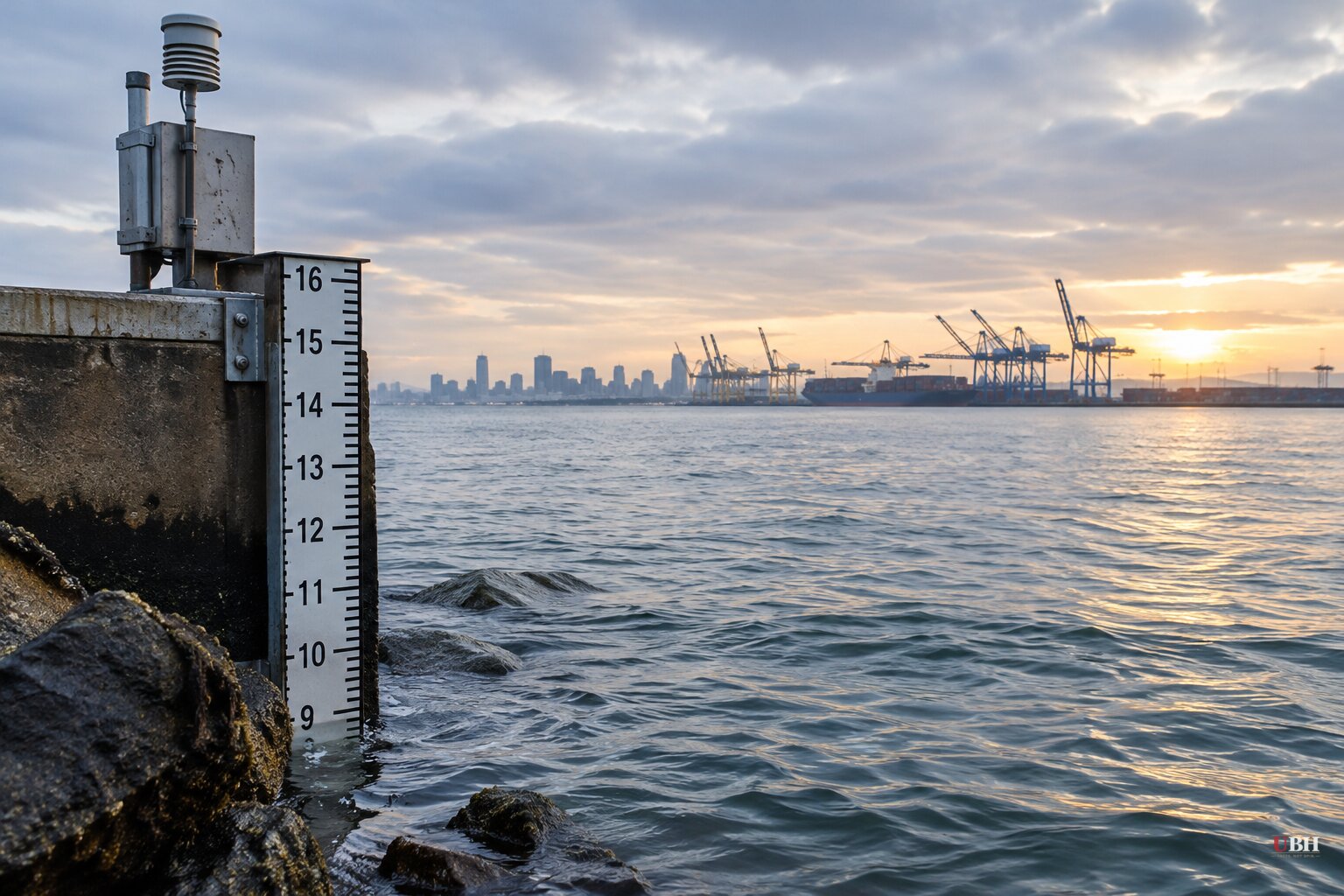
Since record high tides began arriving in Southern California on Monday, Oct. 26, the water has overtopped seawalls, closed stretches of Pacific Coast Highway and pushed seawater into homes and businesses. As of today, Oct. 29, the National Weather Service has extended coastal flood advisories for every Southern California coastal county through 2 p.m. Friday, Oct. 30. They were due to expire Thursday at 1 p.m.
Devin Black, a meteorologist in the weather service's Oxnard office, said Orange and San Diego counties were downgraded from a flood warning to a coastal advisory. Long Beach was the most acutely affected area Thursday, he said, and has been a main area of concern for weeks. Tides were forecast to approach 8 feet Thursday morning and then gradually subside into the weekend.
The records
Tuesday's readings broke several all-time marks:
- San Pedro (Los Angeles Harbor): about 8.2 feet, the highest since record-keeping began in November 1923. The gauge had already set a record Monday.
- San Diego: 8.52 feet, topping the 8.26 feet set this past July.
- Santa Barbara: a record 8.04 feet.
- La Jolla: 7.98 feet, passing the 7.83 feet of November 2015.
"They were definitely on the extreme end," Black said. San Francisco logged its highest October reading on Wednesday, breaking the mark set a day earlier.
Los Angeles has recorded 12 coastal flood days in 2026, according to NOAA data. That is more than in any year of the past 50, with two months still to go.
Damage on the ground
In Newport Beach's Balboa area, water poured over seawalls along Newport Harbor and left up to a foot of flooding at some intersections. The city knocked on doors and handed out free sandbags. Some residents ignored the warning. In Sunset Beach, several streets flooded and PCH was closed, with Caltrans planning another partial closure Thursday.
Huntington Beach residents sandbagged their homes, and some people moved around on paddleboards. In Marin County, several drivers had to be rescued from floating cars, and cyclists who tried to cross a temporary lagoon ended up waist-deep. Sandbag barriers, berms and seawalls in several places were breached.
The flooding is not confined to California. Street flooding hit Charleston and Myrtle Beach in South Carolina, and most of Florida's Atlantic coast was under flood warnings through early Friday. Chris Fisher, a weather service meteorologist in Miami, said Virginia Key recorded its highest king tide and the third-highest water level in three decades of records. Access to the Fort Lauderdale boat show meant driving through flooded streets.
Why the water is this high
King tides come from the gravitational alignment of the Earth, moon and sun. They are predictable and happen several times a year. What changed this week is what sits on top of them.
Roger Gass, a weather service meteorologist in Monterey, pointed to Kelvin waves, pulses of warm water that lift sea level along the coast. The ongoing El Niño has also warmed the ocean and increased its volume. Black said swell angle and size matter too. San Diego and Orange counties were more exposed to a southwesterly swell.
Climate scientist Daniel Swain said the rise reflects thermal expansion from a record marine heatwave layered on sea levels raised by human-caused climate change. That attribution is his. The weather service's explanations focused on the tides, swell, El Niño and Kelvin waves.
Surfrider Foundation, an ocean-conservation group, put the elevation at up to 18 inches above predicted tides in some places by the end of October. It said a coastally trapped Kelvin wave reached Southern California in early October. It also cited a run of large surf since June, including swells from Hurricanes Marie and Rachel.
The fight over how to respond
Surfrider says the issue is no longer whether the coast is vulnerable. It is whether communities will protect healthy beaches "or sacrifice our beaches in a rush to protect what's behind them." The group frames the choice as one between long-term planning and adaptation and emergency armoring.
This week's events show the limits of the quick fixes. The sandbags and berms that cities set up were overtopped in places.
What is coming
Mark Merrifield, director of UC San Diego's Center for Climate Change Impacts and Adaptation, said at a town hall months ago that he expected "likely the highest sea levels ever recorded on the California coast associated with this event." This week's flooding fits that forecast.
Surfrider says the next king tides, on Nov. 24 and Dec. 24, are forecast at 7.5 feet. It says an additional foot and a half of sea-level rise could put them at nine feet or beyond. The weather service's Black said even higher tides are expected around Thanksgiving, Christmas and Martin Luther King Jr. Day.
The risk compounds if a strong storm arrives at the same time. That is what happened in the historic late-January 1983 storm, which struck during one of the strongest El Niños on record. It hit at a time of month when tides were very high, and it damaged many piers up and down the coast.
Whether the winter king tides will break this week's records again is not known. "We'll just have to wait and see," said Ryan Kittell, a weather service meteorologist in Oxnard.
Sources used for this briefing
7 links from 7 independent newsrooms (syndicated copies of the same report count once)
These are the sources it draws on, linked so you can verify.


