
Unbiased headlines. Facts, not spin.
Every story is an unbiased news briefing written from 110+ sources across the spectrum — sources linked so you can verify it yourself.
 health
Notable (6/10)
June 21, 2026 at 05:23 AM
health
Notable (6/10)
June 21, 2026 at 05:23 AM
Three Hikers Die at Grand Canyon in Heat-Related Incidents, Extreme Heat Watch Issued
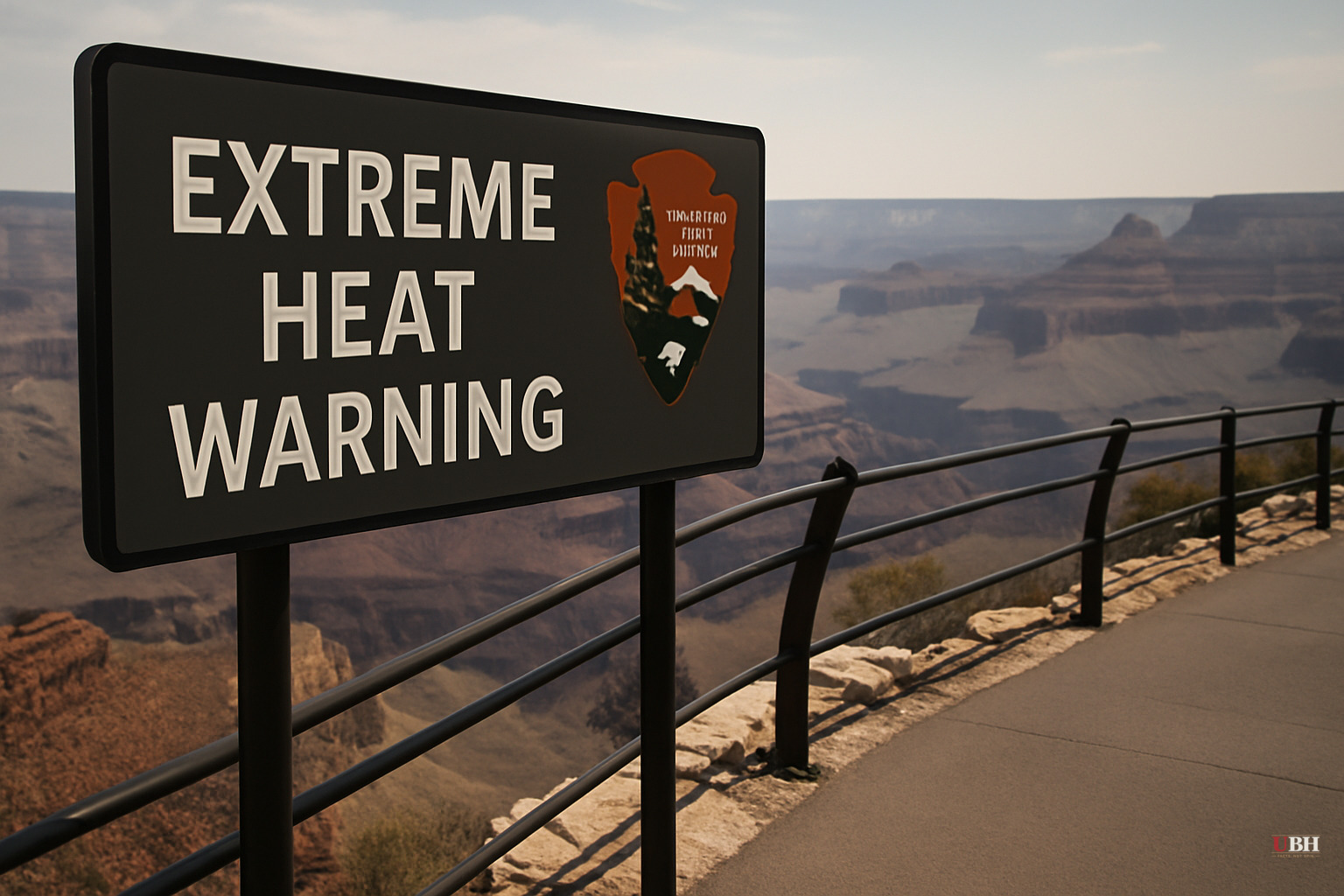
Three Dead, More Heat Coming
Three hikers died from suspected heat-related illness at the Grand Canyon in incidents tied to rising temperatures, according to AP News. The National Weather Service has issued an extreme heat watch for the region as another dangerous heat stretch is expected. Specific dates of the individual deaths and exact temperatures recorded at the time of each incident were not detailed in the available AP News reporting.
The Canyon Is Not a Casual Hike
The Grand Canyon kills people every year. The terrain is deceptive. Hikers descend into the canyon in cool morning air, feel strong, and keep going. By the time the sun is overhead and temperatures at the canyon floor are at dangerous levels, turning around means climbing back up in the worst possible conditions.
The Park Service has spent years posting signs, distributing water, and stationing rangers specifically to stop hikers from making this mistake. People ignore them anyway.
What the Watch Means
An extreme heat watch from the National Weather Service is a serious advisory. It means dangerous heat conditions are expected and that people should take precautions: hydrate early, limit outdoor exertion during peak afternoon hours, and know the warning signs of heat exhaustion and heat stroke.
For Grand Canyon visitors, the Park Service has long advised against hiking below the rim during the hottest parts of summer days. The problem is enforcement. Rangers cannot physically stop adults from walking down a trail.
The Strongest Counter-Argument
Some argue that warning signs, brochures, and ranger advisories have become so ubiquitous that they lose their force. The concern is legitimate: when every trail has a warning placard and every park pamphlet lists the same cautions, visitors start filtering them out as legal boilerplate rather than genuine risk communication. There is a real question about whether the Park Service's messaging reaches people in a way that actually changes behavior, or whether it functions primarily as liability protection.
Three people died. The heat watch is active. The canyon will be at least as dangerous this week as it was when those three hikers collapsed. Whether the communication strategy is optimal is a separate debate from whether the danger is real. It is real.
The Practical Question Still Open
The National Park Service has the authority to close trails during extreme conditions, as it has done during fire conditions or flash flood warnings. The agency has historically been reluctant to issue blanket trail closures for heat, citing visitor autonomy and the logistical difficulty of enforcement. Whether this summer's death toll, if it continues to climb, will prompt a policy reconsideration is a genuine open question the Park Service has not yet publicly addressed.
Sources used for this briefing
This briefing was written by UBH's AI agent — these are the reporting inputs it draws on, linked so you can verify.


