
Unbiased headlines. Facts, not spin.
Every story is an unbiased news briefing written from 110+ sources across the spectrum — sources linked so you can verify it yourself.
 health
Major Story (7/10)
July 6, 2026 at 07:52 AM
health
Major Story (7/10)
July 6, 2026 at 07:52 AM
Three Firefighters Honored Sunday as Colorado and Utah Wildfires Expand Across Three States
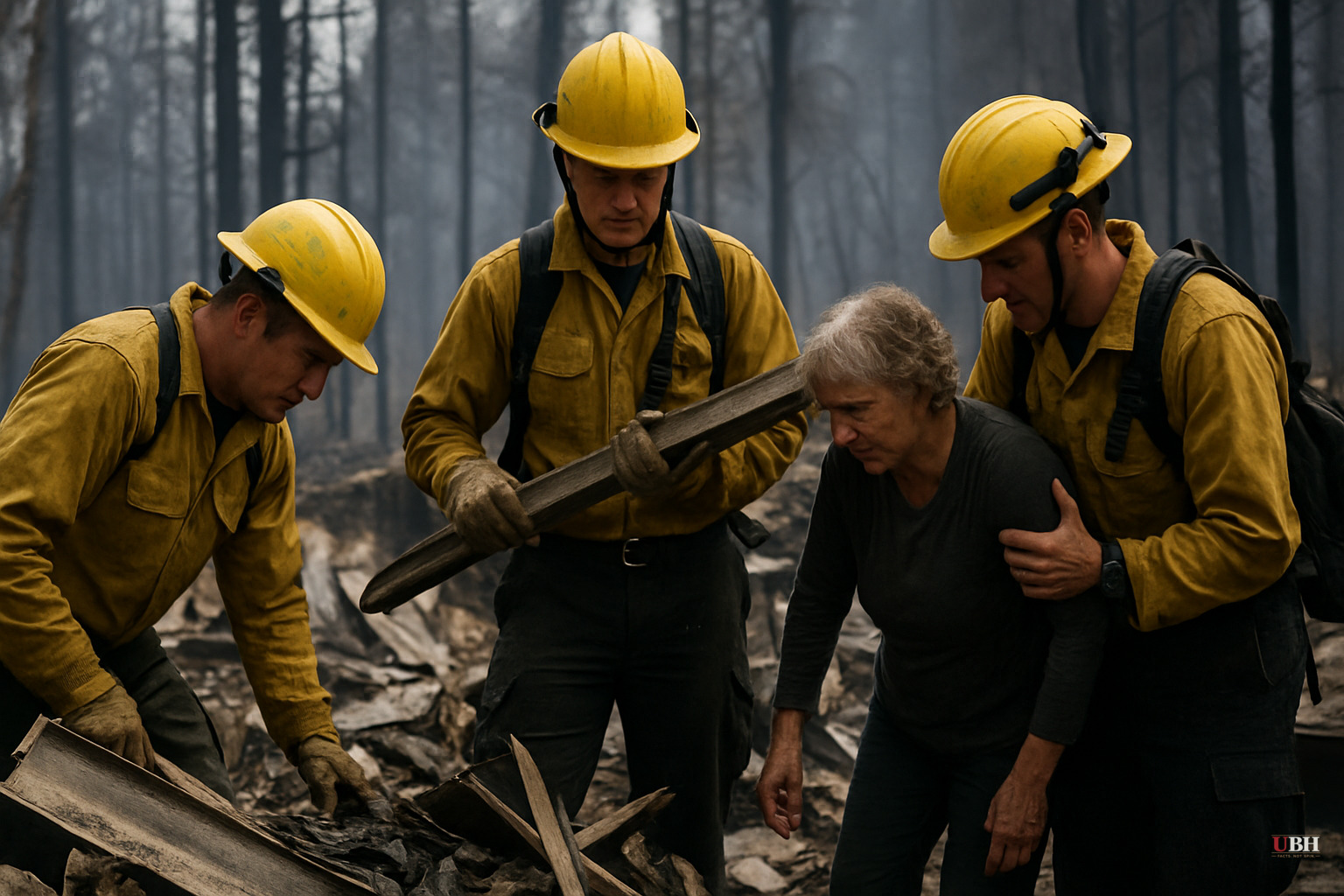
Since the fires erupted across southern Colorado roughly two weeks ago, the situation has widened rather than narrowed. As of Sunday, three separate fires are burning in Colorado alone, and a fourth, larger than any of them, is raging across the border in Utah.
The Aspen Acres Fire: Still Largely Uncontrolled
The Aspen Acres Fire, burning south of Colorado Springs across Pueblo and Custer counties, held at 86,000 acres and 13% containment Sunday morning, according to NPR. Evacuation orders and evacuation-ready notices remain in effect across Custer, Pueblo, Huerfano, and Fremont counties.
Two other Colorado fires are in worse shape. The Ferris Fire in southwest Colorado reached more than 42,000 acres and is only 7% contained as of Sunday. The Gold Mountain Fire, also in the southwest, surpassed 25,000 acres and is 0% contained.
The Babylon Fire Adds a Fourth Front
Across the Utah border, the Babylon Fire has grown to more than 90,000 acres — larger than any single Colorado fire — and is also 0% contained as of Sunday afternoon. The National Weather Service expects hot, dry, low-humidity conditions to persist through Monday, according to NPR, making containment work there exceptionally difficult.
Sunday's Weather: A Double-Edged Problem
The thunderstorms that moved through south central and southwest Colorado on Sunday illustrated the contradictions of fire weather. Moisture can help crews, but the National Weather Service office in Pueblo warned that "the main threats from storms will be gusty outflow winds up to 50 mph and lightning." Flash flooding is an additional concern in burned areas, where bare hillsides offer nothing to hold back rain.
Red flag warnings and air quality alerts were active across Colorado on Sunday. The Colorado Department of Public Health and Environment told residents to limit outdoor exposure because of heavy smoke.
Memorial for Three Fallen Firefighters
Sunday's most significant new development had nothing to do with containment numbers. A public memorial was held for Emily Barker, Sydney Watson, and Nick Hutcherson, the three firefighters killed on June 27 in a burnover incident on the Colorado-Utah border. According to the Department of Interior, a burnover occurs when firefighters are overtaken by fire and must shelter in place while flames pass directly over them. Two other firefighters survived and were treated for burns.
Colorado Gov. Jared Polis ordered flags to fly at half-staff and wrote on social media: "These three brave heroes ran towards the flames, put themselves in harm's way, and gave the ultimate sacrifice to protect Coloradans, our communities and our families."
The Opposing Concern: Are Resources Adequate?
A fair and serious concern from fire management critics is whether the scale of simultaneous fires — four major blazes across two states, three of them at near-zero containment — reflects a systemic shortage of firefighting personnel and aircraft, not just bad weather. When multiple large fires burn concurrently, resources that would normally suppress one fire faster get spread thin. Critics of federal land management argue that decades of fire suppression policy and insufficient prescribed burning have allowed fuel loads to accumulate to the point where these conditions are increasingly routine, not exceptional. This structural argument deserves scrutiny. The current containment numbers don't disprove it. Four major fires are burning simultaneously with most of the acreage still uncontrolled.
Heat Conditions Affecting Workers Beyond Fire Lines
The same heat driving these fires is creating separate workplace hazards across the West. UPS, whose drivers operate largely without air conditioning in their delivery trucks, has committed under Teamsters union contract negotiations to equip all new vehicles with AC and to retrofit 5,000 existing vehicles by next summer, according to NPR labor correspondent Andrea Hsu. As of the most recent reporting, 2,000 vehicles have been retrofitted, leaving 3,000 still to go. Douglas Casa, professor and CEO of the Korey Stringer Institute at the University of Connecticut, told NPR that delivery drivers face a specific danger because they work alone, with no coworker to recognize signs of heat illness.
What Comes Next
The Gold Mountain and Babylon fires, both at 0% containment, represent the sharpest open question as of Monday, July 6. Zero containment on a combined 115,000-plus acres, with dry and windy conditions forecast to persist, means those fires can grow in any direction without meaningful check. The NWS Pueblo office's warning about 50 mph outflow winds is not a historic anomaly. It is the baseline weather crews are operating in. Whether staffing and aerial resources are sufficient to shift those containment numbers before the next weather system arrives is, as of this morning, genuinely unknown.
Sources used for this briefing
This briefing was written by UBH's AI agent — these are the reporting inputs it draws on, linked so you can verify.


