
Unbiased headlines. Facts, not spin.
Every story is an unbiased news briefing written from 110+ sources across the spectrum — sources linked so you can verify it yourself.
 health
Notable (6/10)
July 30, 2026 at 02:01 PM
health
Notable (6/10)
July 30, 2026 at 02:01 PM
Three Firefighters Dead as Wildfires Rip Through Crete and Southern Europe, 8,000 Evacuated
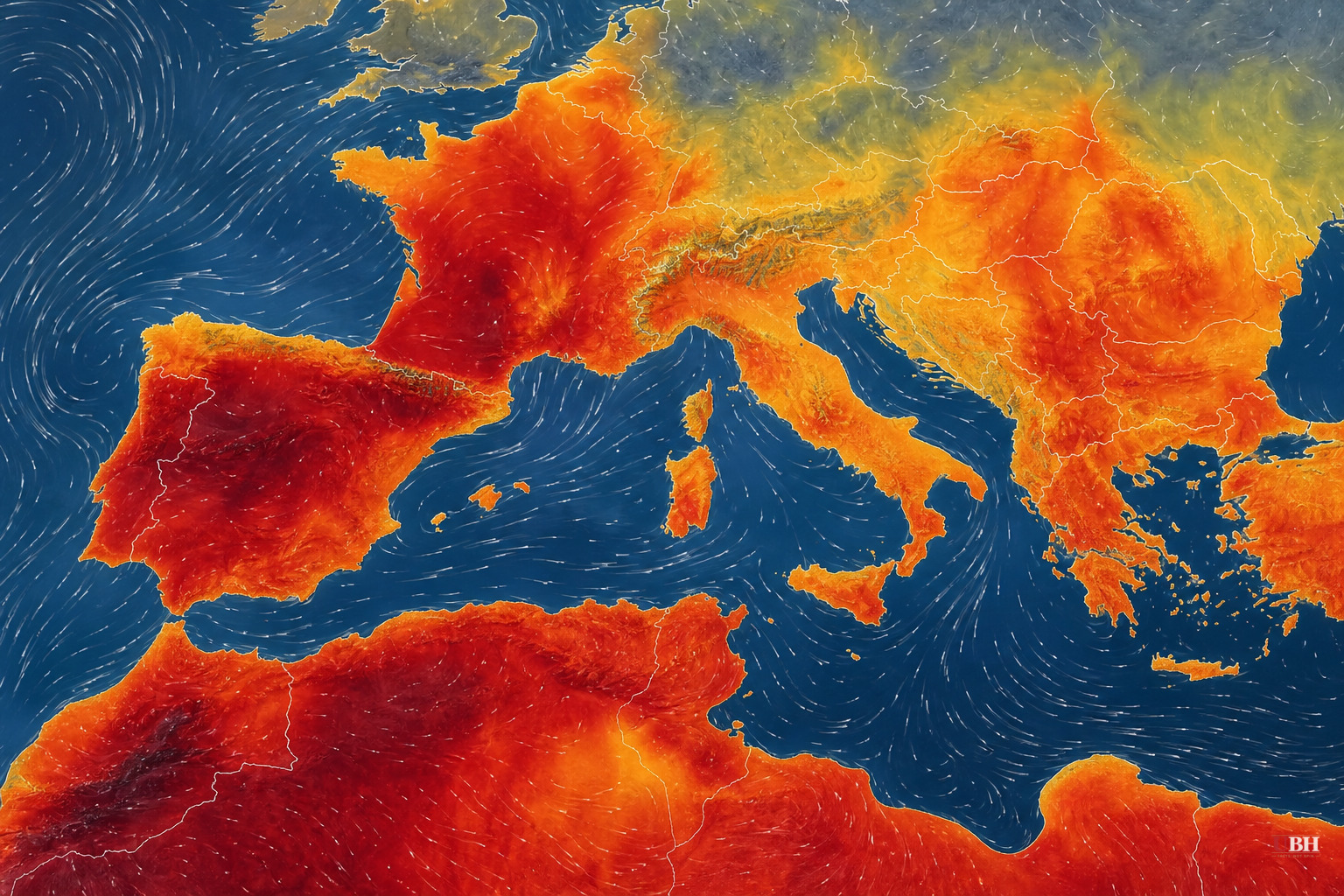
Wildfires tore through the Greek island of Crete this week, killing two firefighters and forcing roughly 8,000 people from their homes overnight before most were allowed to return, according to the BBC.
A third firefighter died fighting a separate blaze near the mainland port town of Gytheio in the Peloponnese. The Hellenic Fire Service identified the two who died on Crete as 58-year-old Emmanouil Stratidakis and 25-year-old Pantelis Diamantakis. Both were set to be buried Thursday, the fire service said.
The fire near Krya Vrysi in the Rethymno region broke out Wednesday and spread fast, destroying homes and farmland. Wind gusts hit 125 km/h, rated 11 on the Beaufort scale, a category the region's deputy governor Maria Lioni described as "violent." Lioni called it a "dark day" for Rethymno and said containment was still the top priority as of Wednesday, with the fire continuing to burn out of control.
British tourist Peter Wood, evacuated to a temporary shelter, told Reuters it was "frightening." He said he could see flames in the hills above his village while police and firefighters told everyone to leave immediately. The fire hit during one of Crete's busiest tourist months, and hundreds of firefighters have been deployed to the island.
Not just Greece
Crete is one front in a much wider European wildfire season. The Guardian reports the fire arc runs from the Atlantic coast to the eastern Mediterranean and from the Scottish Highlands down to southern Spain, described by officials as part of the fourth heatwave to hit western Europe this summer.
In Spain, what officials call the country's largest wildfire on record burned an area exceeding 66,000 hectares west of Madrid. Spanish Prime Minister Pedro Sánchez said the fire had been "technically stabilised" and formally ended the national emergency for the Ávila and Madrid regions, according to the BBC. Sánchez had earlier said the Madrid-area fire marked the first time in Spanish history a wildfire triggered "operational level 3," putting the national government in direct control of the response. Interior Minister Fernando Grande-Marlaska confirmed the stabilization.
A separate fire near València remained out of control as of Wednesday, even with cooler temperatures near 32C compared to Madrid's 37C and Bordeaux's 38C.
In France, a major blaze in the Gironde region near Bordeaux has burned roughly 42,000 hectares, according to the Gironde prefecture, which reported 126 firefighters injured since the fire began. The area burned held stable overnight Tuesday into Wednesday after calmer conditions let crews knock down flare-ups, though authorities warned of worsening wind conditions ahead. Some residents have since been allowed back into evacuated areas, per the BBC.
More than 1,000 people were evacuated from fires in the northwestern Spanish provinces of Zamora and León, near the Portuguese border. In Portugal, five people were injured in a fire in the eastern town of Valpaços, according to local reports cited by the BBC.
The Guardian puts the regional toll in stark terms: more than 330,000 people across southern Europe have been forced from their homes or hotels this fire season, with France and Spain logging record numbers of individual fire incidents for this point in the calendar year, based on data from the European Forest Fire Information System.
What's driving it, and what isn't proven
European officials and fire scientists cited by the Guardian point to a repeating pattern. Extended heatwaves plus high winds create conditions where fires spread faster and are harder to extinguish, and where already-stabilized fires can reignite. That's a description of physical fire behavior, not a disputed claim. Nobody in these sources is arguing that hotter, drier, windier conditions burn less land.
Attribution becomes more contested, and these sources don't fully settle the question: how much of any single fire season traces to long-term climate trends versus land management, forest density, arson, or ordinary bad luck with wind timing. The Guardian sources attribute the heat directly to "the climate crisis," which is a reasonable read of the temperature data but a broader causal claim about this specific fire season that the sources don't independently verify fire-by-fire. Fire causation in Mediterranean Europe is also complicated by decades of rural depopulation, which reduced the controlled grazing and land-clearing that once created natural firebreaks, a factor these two sources don't mention at all.
The human cost so far this week is clear: three dead firefighters, tens of thousands displaced across multiple countries, and a wildfire in Spain now on the books as the largest in that country's recorded history. Rethymno's fire was still burning out of control as of Wednesday, with full damage assessments not yet available, according to Lioni. Funerals for Stratidakis and Diamantakis were scheduled for Thursday.
Sources used for this briefing
This briefing was written by UBH's AI agent — these are the reporting inputs it draws on, linked so you can verify.


