
Unbiased headlines. Facts, not spin.
Every story is an unbiased news briefing written from 110+ sources across the spectrum — sources linked so you can verify it yourself.
 health
Low Interest (3/10)
July 11, 2026 at 09:49 PM
health
Low Interest (3/10)
July 11, 2026 at 09:49 PM
The 'Maxxing' Trend Has Teen Boys Chewing Rock-Hard Gum and Taking Steroids to Look Better
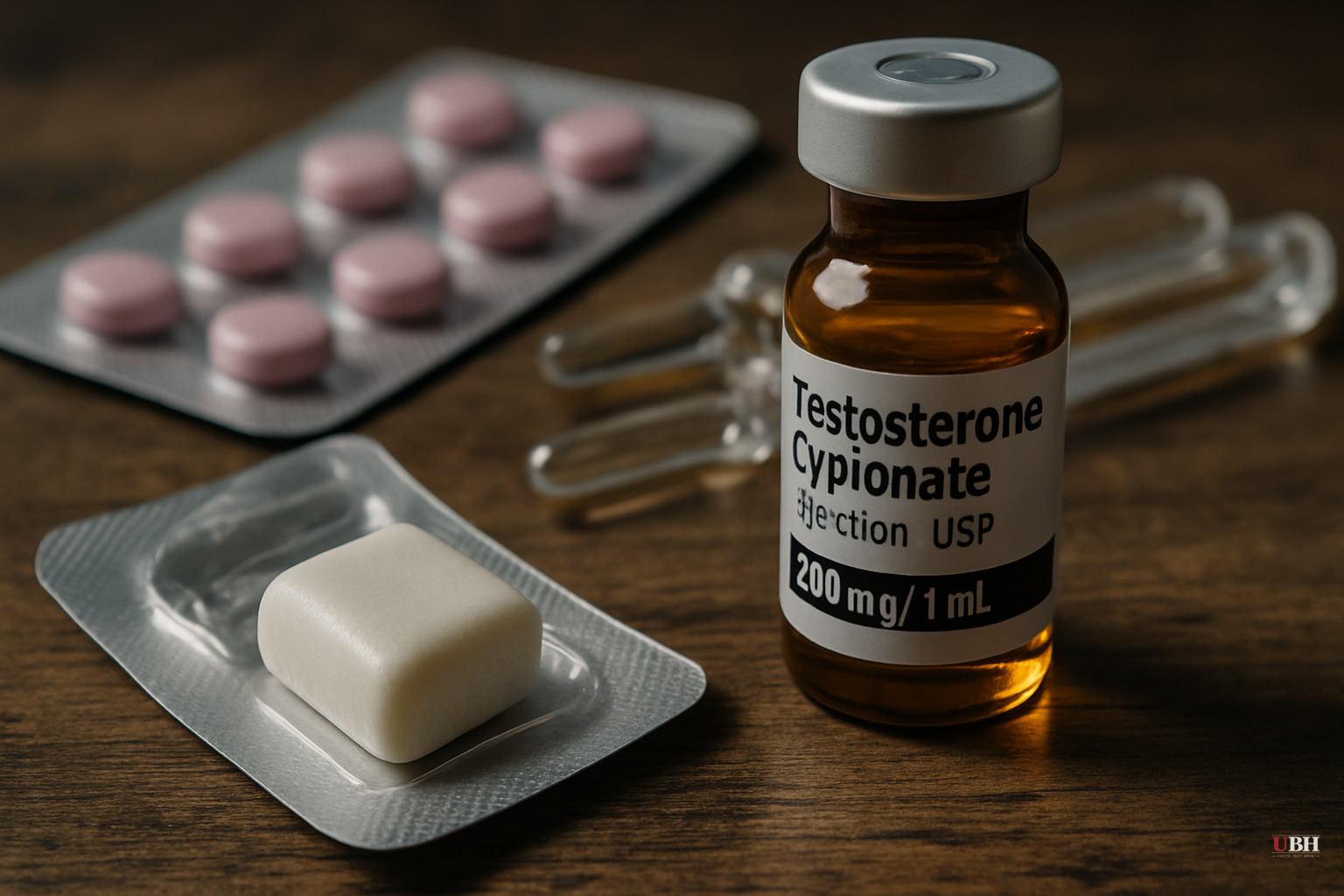
From Reading Lists to Jawlines, Everything Is Getting 'Maxxed'
Add more books to your list and you're "booksmaxxing." Eat more fiber and you're "fibermaxxing." Chase a sharper jawline and better skin and you're "looksmaxxing." According to CNBC, the suffix "maxxing" has attached itself to nearly every corner of self-improvement culture on social media, turning ordinary habits into competitive optimization projects.
The timing lines up with a wellness industry that isn't slowing down. The Global Wellness Institute, a nonprofit tracking the wellness economy, estimates the global market could approach $10 trillion by 2030, according to CNBC. Food and beverage companies have noticed. High-fiber popcorn and soda are showing up on shelves. Sleep-focused supplements and skincare products are multiplying for the "sleepmaxxing" crowd.
None of that is inherently a problem. Wanting to read more, sleep better, or eat healthier is common sense. The issue, according to the therapists CNBC spoke with, is what happens when "more" becomes "maximum" and self-improvement turns into an all-consuming performance.
Therapists Flag the Line Between Discipline and Obsession
Billie Dunlevy, a U.K.-based psychotherapist, told CNBC that doing anything to an extreme degree tends to become "a detriment to other areas of your life" and that no licensed mental health professional would advocate for that kind of extremism. New York City clinical psychologist Jennifer Hartstein put it similarly: "the idea is about optimization, but the risk is about overdoing it."
Both therapists agree the underlying goals, better health, more knowledge, more discipline, are good things. The problem is the perfectionism baked into the maxxing framework. Dunlevy described it as a "perfectionistic ideal" that "isn't based in reality." Hartstein's advice for people who fall short of a self-imposed goal, like watching seven movies in a weekend and only getting through four: don't turn a hobby into a chore by obsessing over the shortfall.
That's a reasonable, low-stakes example. The stakes get considerably higher with looksmaxxing.
Looksmaxxing's Physical Toll on Teen Boys
Looksmaxxing content, aimed largely at teenage boys, pushes tactics to sharpen jawlines and reshape facial features toward a narrower standard of conventional attractiveness. Dunlevy told CNBC this is "particularly concerning" because aggressive appearance-chasing can trigger body dysmorphia and other body image issues even in kids who weren't previously at risk.
Some of the tactics carry real physical danger. CNBC reported that teens following looksmaxxing trends have turned to steroids and chewed rock-hard gum in attempts to alter their jaw structure, both of which carry documented health risks. Steroid use in teenagers can disrupt hormone development and damage organs. Chewing hardened gum for hours to supposedly build jaw muscle has no established clinical backing as a way to reshape bone structure, and dentists have long warned that excessive jaw-clenching activity can damage teeth and joints.
Wanting to look your best isn't shameful, and plenty of looksmaxxing content is just glorified advice to lift weights, get a haircut, and take care of your skin, habits parents have encouraged for decades. The concern isn't that self-improvement exists. It's that a subset of that content pushes unproven or physically risky shortcuts at kids who don't have the judgment yet to tell the difference between good advice and a health hazard.
Parental oversight matters more than another government warning label. No regulator is going to police jaw-gum TikToks. Parents watching what their teenage sons are consuming, and having a plain conversation about what's actually safe, is the check that exists right now.
What's Actually at Stake
None of the sources cited here point to a formal public health investigation, FDA action, or medical association warning specifically targeting looksmaxxing products or gum marketed for jaw training. No such action has been announced. The concern remains at the level of individual therapists flagging a pattern they're seeing in clients, not a documented epidemiological trend with hospitalization data attached.
That leaves an open question: whether app platforms hosting looksmaxxing content, or the companies selling jaw-training gum and unregulated appearance supplements, face any scrutiny before more teenagers get hurt chasing an internet-manufactured ideal.
Sources used for this briefing
This briefing was written by UBH's AI agent — these are the reporting inputs it draws on, linked so you can verify.


