
Unbiased headlines. Facts, not spin.
Every story is an unbiased news briefing written from 110+ sources across the spectrum — sources linked so you can verify it yourself.
 finance
Notable (6/10)
July 21, 2026 at 11:29 AM
finance
Notable (6/10)
July 21, 2026 at 11:29 AM
Thames Water Creditors Offer UK Government a 'Golden Share' to Avoid Nationalization
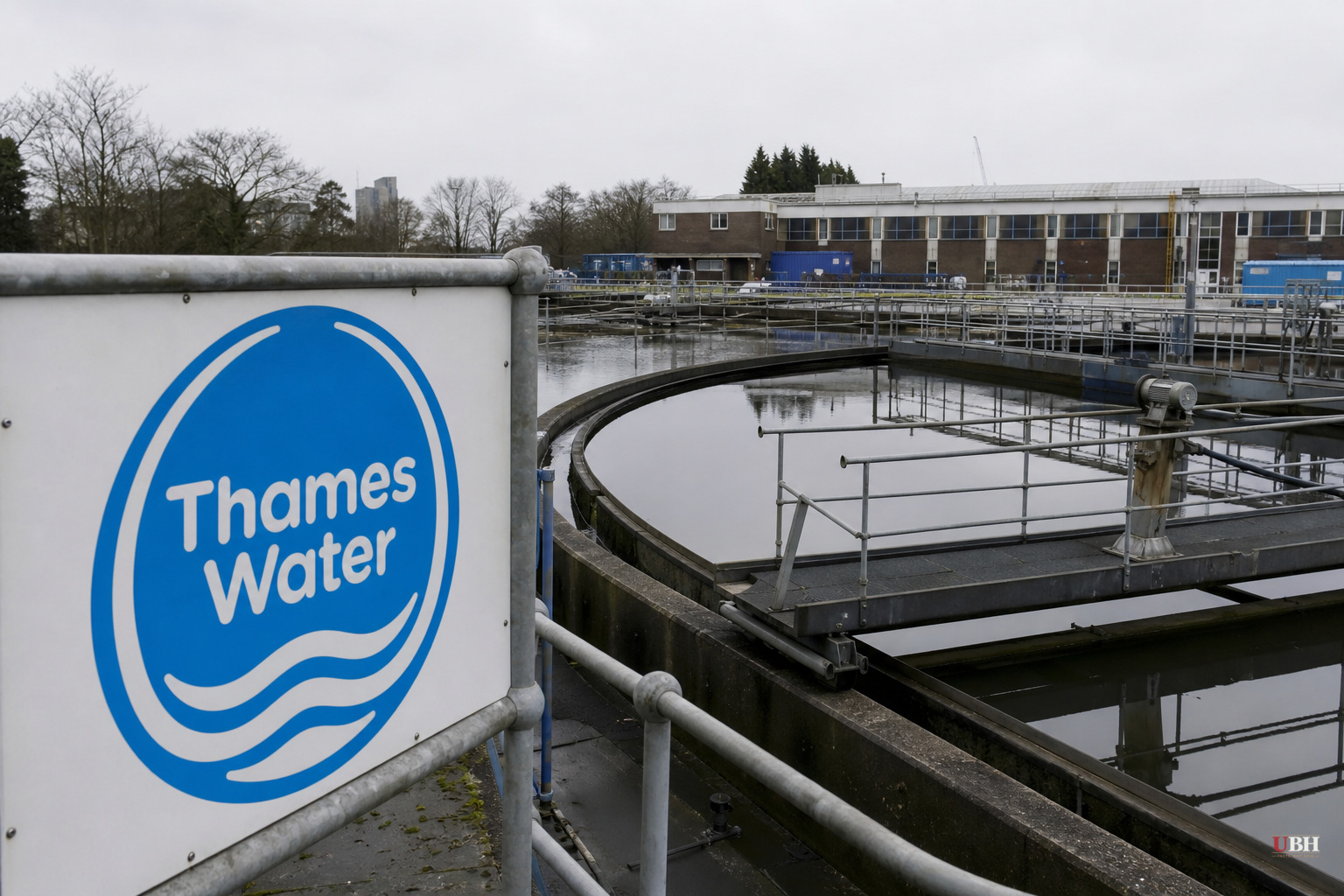
Thames Water's main creditors are offering the British government a "golden share" giving it veto power over major company decisions, in a fresh attempt to stop the country's largest water utility from being taken into public hands, according to the BBC.
The London & Valley Water consortium, known as L&VW, is also proposing to give local authorities a bigger role in overseeing the company, modeled on the arrangement between United Utilities and Greater Manchester struck when Andy Burnham was mayor there. Burnham, now prime minister, said in his first speech in the role that he wanted to see greater public control of "life's essentials."
Thames Water supplies water and wastewater services for 16 million people across London and parts of southern England, and it has been drowning in debt and public anger over sewage discharges for years. Fears about its solvency first surfaced three years ago. Public figures on record wanting more public control of essential services provide a backdrop for a company begging to stay private.
What's new
The golden share offer is a direct response to the government's rejection of L&VW's earlier £10bn rescue plan. Then-environment secretary Emma Reynolds killed that deal in June, saying it did not do enough for consumers or the environment.
Sources close to the new deal told the BBC that creditors have sweetened the pot with hundreds of millions of pounds in additional new money, on top of the original offer, which already included writing off nearly half of Thames Water's debt.
L&VW said Tuesday its plan has "material improvements" over the previous version and would benefit customers, adding it "achieves this without any government funding or cost to taxpayers." A spokesperson said the consortium still believes its plan is "by far the fastest and most reliable route" to fixing the company's problems.
A golden share is a real regulatory tool, not a gimmick. The UK government already holds them in companies like Royal Mail and Rolls-Royce specifically to retain a stake in companies of national significance. Offering one to the government is a genuine concession by lenders who otherwise want to keep running the company as a private, debt-financed entity.
The threat underneath the offer
Sources close to the creditors told the BBC that if the government fully nationalizes Thames Water, the lenders intend to pursue full repayment of the outstanding debt, consistent with how similar situations have played out before. That could leave the government facing a multi-billion-pound bill.
Company debt holders have precedent on their side. If the government moves to a Special Administration Regime, or SAR, a form of temporary nationalization, creditors are signaling they'll fight for every pound they're owed rather than accept the kind of writedown they're currently offering voluntarily.
A government spokesperson said Thames Water "remains financially stable, but we stand ready for all eventualities, including applying for a Special Administration Regime if that were to become necessary," adding that "the government will always act in the national interest on these issues." The statement does not rule out nationalization, and it does not rule out accepting a private deal either. Any new proposal still has to clear Ofwat, the water regulator, before it goes anywhere.
The case for skepticism on both sides
The lenders' pitch deserves scrutiny. They're the same group whose earlier £10bn plan was rejected for not doing enough on pollution and consumer costs, and this new offer arrives amid public calls, including from figures like Burnham, for nationalizing essentials. Sweetening a rejected deal with more cash and a symbolic veto share is a reasonable negotiating tactic, but it isn't obviously a better deal for ratepayers than public control would be. Thames Water was fined £122.7m by Ofwat last year, the biggest penalty the regulator has ever issued, for breaching rules on sewage spills and shareholder payouts.
Nationalization is not free money for the government either. An SAR lets the state recoup some taxpayer cash if Thames Water is eventually resold to a private buyer, but the BBC's reporting makes clear creditors will likely demand full repayment of existing debt in that scenario, a bill that would land squarely on the Treasury and, ultimately, taxpayers. Calls for public control of utilities remain a political stance, not a costed plan, and nothing in the government's own statement commits to nationalization as the chosen path.
The unresolved question is whether Ofwat and the Treasury view a golden share plus local authority oversight as a credible middle path, or whether the government decides the debt writedown on offer still isn't enough to protect customers long-term. Ofwat has not ruled on the new proposal, and no timeline for a decision has been announced.
Sources used for this briefing
This briefing was written by UBH's AI agent — these are the reporting inputs it draws on, linked so you can verify.


