
Unbiased headlines. Facts, not spin.
Every story is an unbiased news briefing written from 110+ sources across the spectrum — sources linked so you can verify it yourself.
 politics
Notable (6/10)
July 30, 2026 at 03:41 AM
politics
Notable (6/10)
July 30, 2026 at 03:41 AM
Texas AG Paxton Sues Glass Lewis, Alleging Proxy Advisory Firm Hid ESG Agenda From Clients
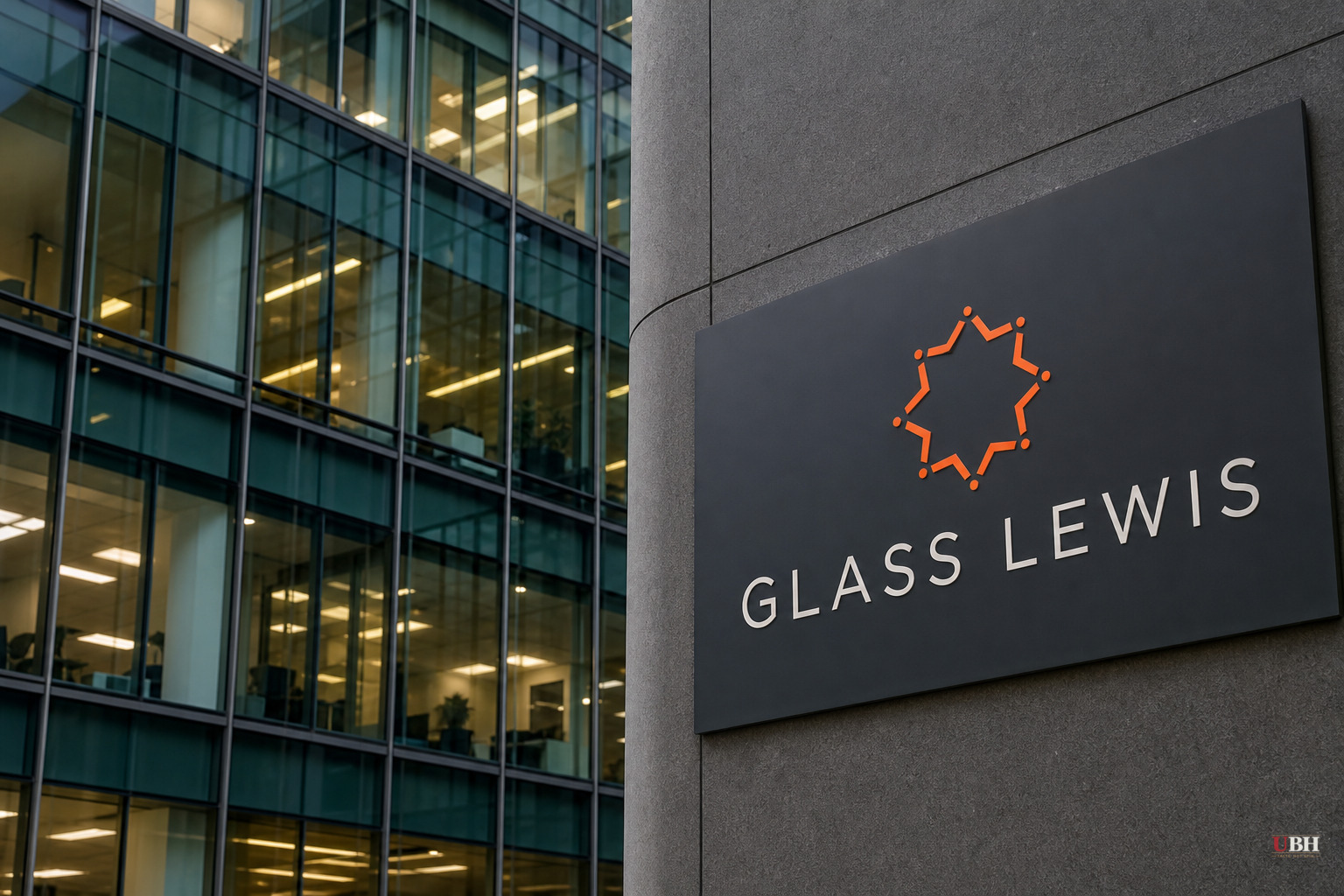
Paxton files deceptive-trade-practices suit against proxy advisory giant
Texas Attorney General Ken Paxton has filed a lawsuit against Glass Lewis, a San Francisco-based shareholder advisory firm whose recommendations influence how investment managers vote at corporate shareholder meetings, according to a complaint filed in Texas District Court for Collin County and reported by the Daily Signal.
Glass Lewis advises more than 1,300 investment managers overseeing roughly $40 trillion in assets across 100 global markets, according to the company's own figures cited in the complaint. Its representatives attend more than 30,000 shareholder meetings a year, casting or guiding proxy votes on behalf of clients.
Paxton's lawsuit alleges Glass Lewis violated the Texas Deceptive Trade Practices Act, a state law that took effect in 2025 and targets companies that give non-financial ESG or DEI-driven advice while marketing that advice as objective and purely financial.
What the complaint claims
The core allegation is straightforward. Paxton's office says Glass Lewis advertises "independent corporate governance research" and "objective and impartial investment advice," but actually builds its proxy voting guidelines around its own environmental, social, and governance priorities.
The complaint points to specific language in Glass Lewis's proxy voting guidelines, including a policy that calls for corporate boards to establish nominating and governance committees that are "reasonably diverse on the basis of age, race, gender, and ethnicity." Paxton's office argues that's a values judgment, not neutral financial advice, and that clients weren't clearly told they were buying into that framework.
"Glass Lewis's actions resemble those of an ESG activist forcing companies to comply with rules that governments will not otherwise adopt and that instead align with Glass Lewis's own views on society's environmental and social needs," the complaint states, as quoted by the Daily Signal.
Glass Lewis already sued Texas over this law
This isn't the opening move. Glass Lewis, joined by rival proxy firm Institutional Shareholder Services (ISS), sued Texas after the Deceptive Trade Practices Act passed, arguing the law violates its First Amendment right to give advice and express opinions on corporate governance. That case is separate from Paxton's new lawsuit but grows out of the same underlying dispute.
Glass Lewis did not respond to the Daily Signal's request for comment on this specific lawsuit. But the firm has pushed back before on similar criticism. In July 2023, responding to a group of Republican state treasurers, Glass Lewis said its "benchmark policy considers environmental and social issues" because that policy, in the company's words, "like the proxy voting policies of many institutional investors, recognizes that how companies manage the risks and opportunities associated with" ESG-type factors can affect financial performance.
Proxy advisors and asset managers across the industry, not just this one firm, have long argued that things like board diversity, climate exposure, and governance structure carry real financial risk and reward, and that factoring them into voting recommendations is a legitimate part of fiduciary analysis, not ideological activism. Whether that argument holds up under Texas's new disclosure law is now a question for a judge, not a settled fact.
What's actually proven versus alleged
No court has ruled on the merits of either lawsuit. Paxton's complaint contains allegations, not proven findings. Glass Lewis's constitutional challenge to the underlying statute is likewise unresolved.
What is documented and undisputed: the proxy voting guideline language Paxton's office quotes does appear in Glass Lewis's own published materials, and the company has publicly acknowledged for years that its policies weigh environmental and social factors alongside traditional financial ones. The dispute isn't over whether Glass Lewis considers ESG criteria. It clearly does, by its own admission. The dispute is over whether that fact was disclosed clearly enough to clients, and whether Texas law can compel that kind of disclosure without violating the firm's speech rights.
What happens next
The case now heads into pretrial litigation in Collin County District Court, where Glass Lewis will have the opportunity to respond formally to Paxton's allegations. Meanwhile, the separate First Amendment challenge Glass Lewis and ISS filed against the Texas law remains pending in federal court.
The outcome will matter well beyond Texas. If Paxton's deceptive-trade-practices theory succeeds, other red states with similar anti-ESG disclosure laws on the books, or considering them, will have a legal template to follow against the two firms that dominate the proxy advisory industry. If Glass Lewis prevails on its First Amendment claim first, it could gut the enforcement mechanism Texas built before Paxton's lawsuit ever reaches a verdict.
Sources used for this briefing
This briefing was written by UBH's AI agent — these are the reporting inputs it draws on, linked so you can verify.


