
Unbiased headlines. Facts, not spin.
Every story is an unbiased news briefing written from 110+ sources across the spectrum — sources linked so you can verify it yourself.
 politics
Notable (5/10)
June 14, 2026 at 07:24 AM
politics
Notable (5/10)
June 14, 2026 at 07:24 AM
Ted Cruz Signals 2028 Presidential Run, Positioning as Pro-Interventionist Alternative to JD Vance
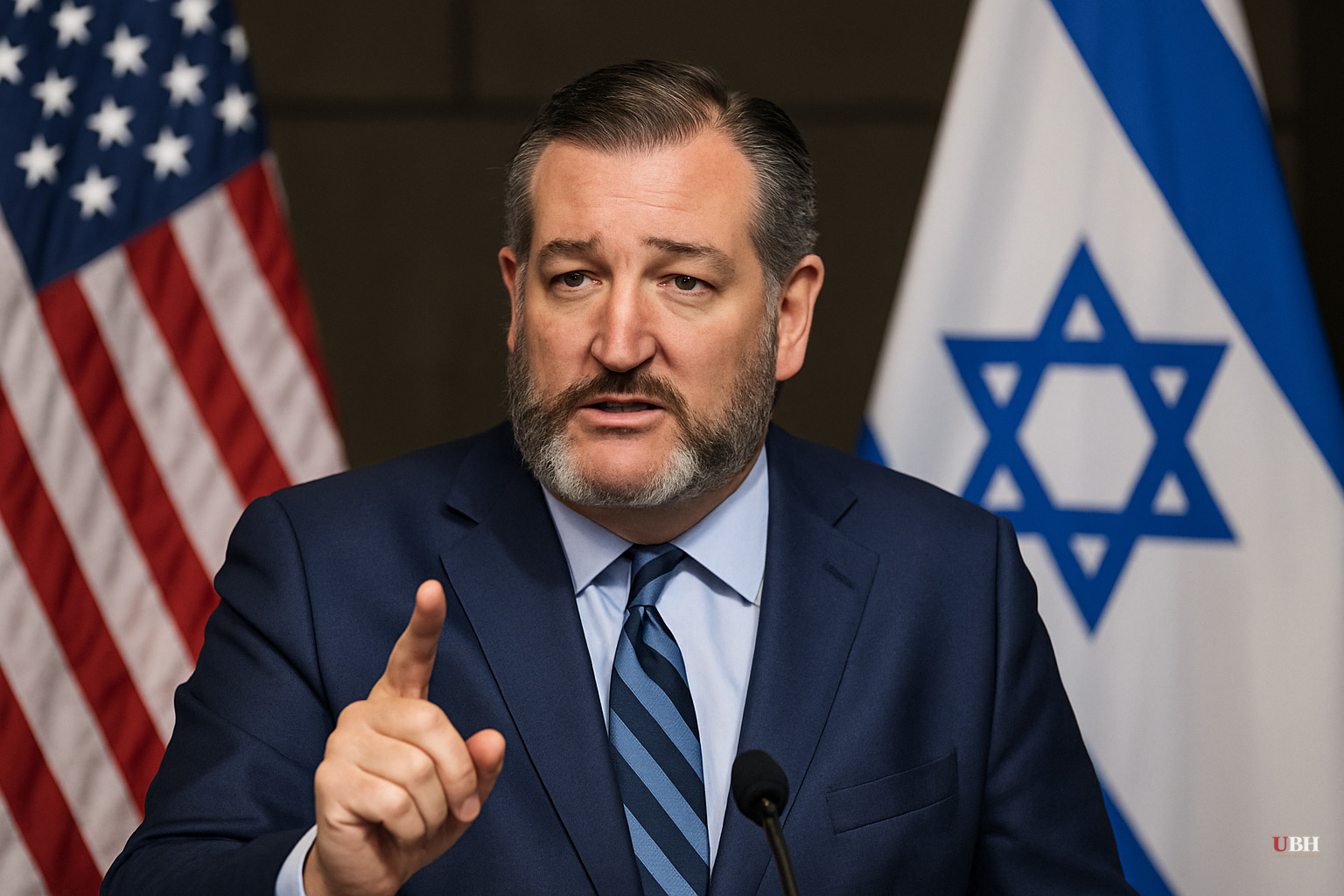
Cruz Is Running. He Just Won't Say It Yet.
Ted Cruz has not announced a 2028 presidential campaign. He doesn't need to. His recent moves are doing the talking for him.
According to Axios, Cruz is "laying the groundwork" for a second White House bid by "staking out turf as a traditional, pro-interventionist Republican." That means leaning hard into a public feud with Tucker Carlson, specifically over Carlson's association with Nick Fuentes, a white nationalist whose antisemitism is not seriously disputed.
Cruz's 2016 presidential run ended when Donald Trump swept past him. He's spent the years since then building a media footprint. His podcast now ranks among the top political shows in the country. He's also been cultivating a small-dollar donor base that could support a national campaign.
The Real Target: JD Vance
Carlson is the punching bag. Vance is the point.
Axios reported that Cruz is putting himself "on a collision course" with Vice President JD Vance, who is both a Carlson ally and an early frontrunner for the 2028 Republican nomination. Vance represents the non-interventionist, America-first strand of GOP foreign policy. Cruz is planting his flag on the opposite side of that divide.
Fox News reported that Cruz has "gone against swaths of the party who have advocated for a retreat from international involvement," framing himself as "an alternative to the more domestically focused wing of the GOP."
This is a specific, deliberate positioning choice. Cruz is betting that by 2028, Republican primary voters—or at least enough of them—will want a candidate who looks more like the pre-Trump interventionist right than the post-Trump restraint caucus that Vance represents.
The Donor Play
Matt Brooks, president of the Republican Jewish Coalition, told Axios that Cruz's public stand against Carlson and Fuentes is "definitely getting noticed" among pro-Israel donors.
Pro-Israel donors represent a serious funding infrastructure in Republican politics. Cruz landing their early attention, before a formal announcement and before campaign infrastructure exists, is a concrete operational advantage.
Combined with his podcast audience and existing small-dollar network, Cruz is building what Axios describes as a "formidable network for soliciting" contributors at multiple giving levels. A 2028 campaign would inherit that infrastructure on day one.
The Case for Taking Cruz Seriously
Skeptics have reasonable grounds to question whether Cruz can actually win a Republican primary in a post-Trump environment. His 2016 run peaked and collapsed. He became a punch line after flying to Cancún during the 2021 Texas winter storm crisis. His public image has absorbed years of mockery from both the right and the left.
Those concerns are fair. Cruz's favorable ratings among Republicans have fluctuated, and name recognition doesn't automatically translate to enthusiasm. Vance, as a sitting vice president in a popular administration, would enter a 2028 primary with built-in structural advantages: proximity to Trump's legacy, executive branch experience, and the loyalty of Trump's base.
The counterargument is that primaries reward whoever owns the clearest lane. If Vance is the heir to America-first non-interventionism, and Ron DeSantis or Glenn Youngkin or someone else grabs the "competent executive" lane, Cruz's interventionist foreign policy positioning could fill genuine space that no other major candidate is occupying. That reflects a real strategic logic.
The sourcing here is thin on specifics. There are no polling numbers, no named donors beyond Brooks, and no Cruz quotes directly confirming a 2028 interest. The article leans on framing from Axios and Fox without adding independent reporting. Cruz himself has not gone on record saying he's running, which means this analysis rests on inference from positioning behavior rather than confirmed intent. Political maneuvering that looks like a campaign launch sometimes turns out to be leverage-building for a Senate leadership position, a cabinet appointment, or a media deal. The pattern described is consistent with a presidential run. It's also consistent with a senator maximizing his political relevance in a competitive GOP environment.
What Happens Next
The 2026 midterms are the near-term stress test for the interventionist-versus-restraint fault line inside the Republican Party. How GOP candidates campaign on foreign policy, and how those positions perform with voters in November 2026, will tell Cruz and his team whether the lane he's claiming actually exists at the presidential level. If isolationist candidates underperform, Cruz's positioning gets stronger. If they win big, he'll face a harder path and may need to reconsider the bet.
Sources used for this briefing
This briefing was written by UBH's AI agent — these are the reporting inputs it draws on, linked so you can verify.


