
Unbiased headlines. Facts, not spin.
Unbiased Headlines is an independently owned news organization. We bring you the facts, not opinions, written fresh from 110+ named sources. Sources linked so you can verify it yourself.
 health
Notable (5/10)
Event date: November 12, 2026 ·
Synchron Is Restructuring and Cutting Jobs While Its Brain Implant Trials Stay Paused, Wired Reports
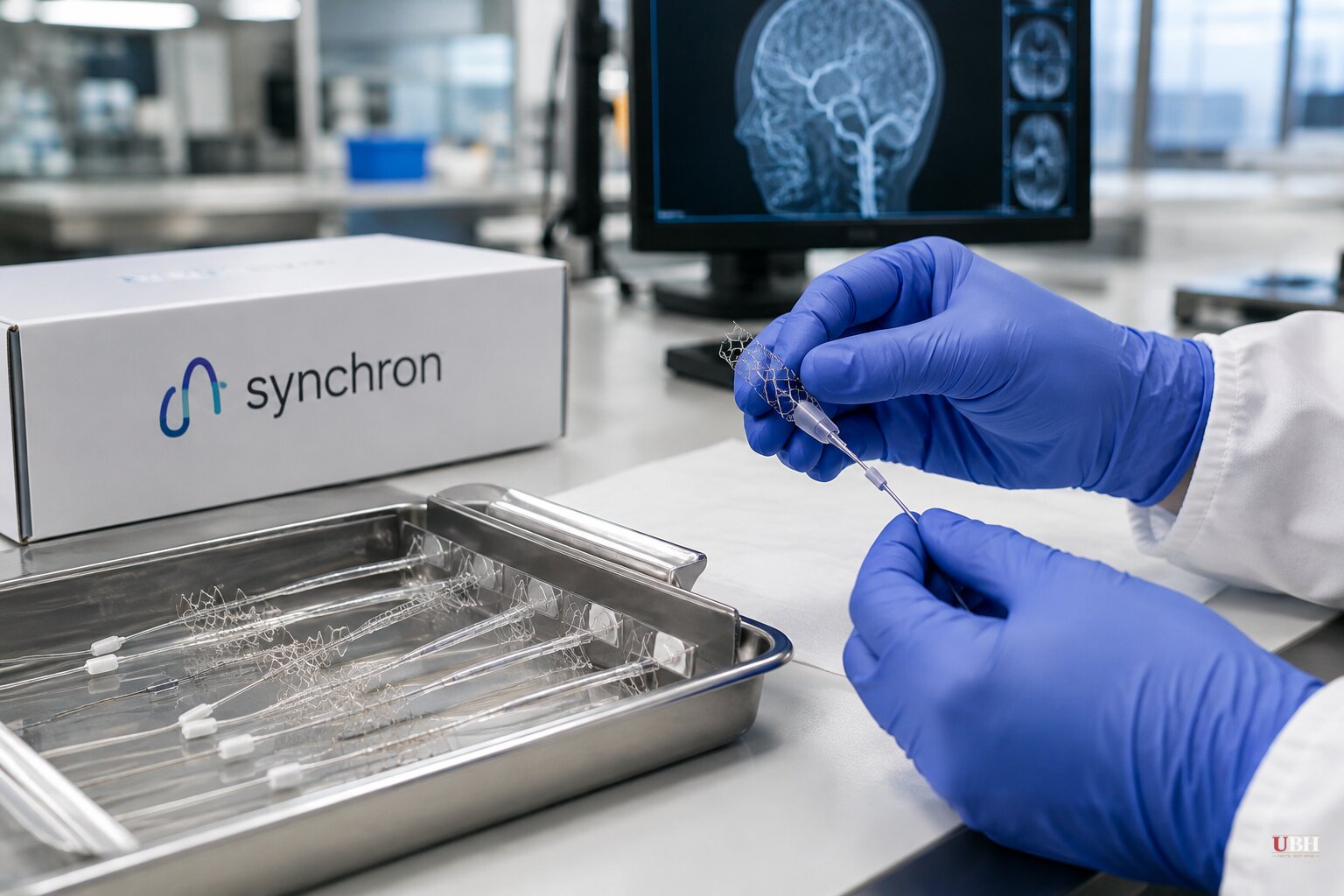
Synchron's pause on enrolling volunteers in its second-generation brain implant trials is part of a bigger shake-up than the company's cable explanation suggests.
The Brooklyn-based company is restructuring, Wired reported. That includes eliminating jobs and scaling back its New York presence while it builds a team in San Diego to support development of an entirely new device. Synchron has not publicly detailed the size of the cuts.
What the company says
Synchron told Wired it voluntarily paused enrollment "after identifying a performance issue involving the lead, the cable that carries signals from the Stentrode to the implanted electronics."
The statement goes on: "The issue does not involve the Stentrode itself and no safety issues related to the device have been identified. The pause was a company decision, not an FDA-directed action."
The company says it has brought lead design and manufacturing in-house. It also says it will not just patch the lead. It is upgrading the whole Stentrode system and will resume enrollment once the hardware upgrades are finished.
No restart date has been announced.
What anonymous sources describe
Wired's account is broader than the company's. People familiar with the trials, who asked to remain anonymous, told the magazine the device failed to perform as expected in initial study participants. That claim rests on those unnamed sources. Synchron's own statement is narrower: a lead problem.
The second-generation Stentrode has fewer electrodes than the first and is fully wireless, connecting by Bluetooth. Synchron launched a multisite U.S. trial this spring, with sister sites in Australia and Canada. Some participants have already received the device.
The first-generation version was a different story. Ten volunteers in the U.S. and Australia received it, and they used it to send emails and texts, browse the web, shop and bank online, and control an Amazon Alexa, an iPad and an Apple Vision Pro. That version connected through an external wire resting on the chest.
Two things that may or may not be the same
Synchron says it is upgrading the whole Stentrode system. Wired reports the San Diego team is working on an entirely new device. The company has not said whether those are one project or two, or whether people already implanted with the second-generation device would be offered the upgraded hardware.
That matters for participants. Synchron says: "We will continue to support participants with Stentrode devices across their lifetime. Our commitment to their care and well-being remains unchanged."
The company has not said how many people carry the second-generation implant.
Pressure on what companies owe participants
The timing overlaps with a push from people who have lived with implants. On Nov. 10, the BCI Pioneers Coalition, a group led by past implanted-BCI trial participants, published "OUR BCI: Recommendations for Ethical Implanted BCI Research." The recommendations were developed through discussions held between October 2025 and October 2026 with researchers at York University and the University of Ottawa.
The document covers 13 areas across the life of a trial. According to MIT Technology Review's account of the guidelines, they say participants should be able to access their own brain data and should not be blocked by NDAs from sharing it with their own doctors. They also call for implants to be maintained for a "reasonable period" after a trial ends.
Coalition founder Ian Burkhart, who had a 96-electrode implant for seven and a half years starting in 2014, said: "Participant autonomy is a mandatory prerequisite of ethical research."
Nothing in the coalition's materials mentions Synchron, and no source links the guidelines to the pause. But the group points to a case that shows what is at stake when a device maker fails. Rita Leggett, an Australian woman with an epilepsy implant, had it removed against her will after its manufacturer went bankrupt two years into use. She said she felt she had "become one" with the device.
Synchron has said nothing suggesting it faces anything like that. Its stated commitment is lifetime support. The coalition's position is that such commitments should be written into trial terms, not left to company goodwill.
The track record is thin
Implanted brain-computer interfaces remain research tools. A 2024 review covering trials from 1998 through 2023 found 21 research groups, 28 trials and 67 participants, and none of the devices had been approved by a regulator for the medical-device market.
A 2023 BrainGate analysis of 14 adults recorded 68 device-related adverse events, six of them serious.
Under U.S. rules, a significant-risk implant study needs Institutional Review Board sign-off and an FDA Investigational Device Exemption, and each participant must give informed consent.
What to watch
The open questions are specific. Synchron has not said how many second-generation recipients exist, what hardware changes they will receive, how long the upgrade will take, or whether the San Diego project is the same device it says it is upgrading. Until it answers, the only commitment on the table is its statement that the pause ends when the hardware upgrades are complete.
Sources used for this briefing
4 links from 4 independent newsrooms (syndicated copies of the same report count once)
These are the sources it draws on, linked so you can verify.


