
Unbiased headlines. Facts, not spin.
Unbiased Headlines is an independently owned news organization. We bring you the facts, not opinions, written fresh from 110+ named sources. Sources linked so you can verify it yourself.
 tech
Notable (5/10)
tech
Notable (5/10)
Sweden Bans Mobile Phones in Schools Starting Fall 2026, Joining a Global Reversal on Classroom Screens
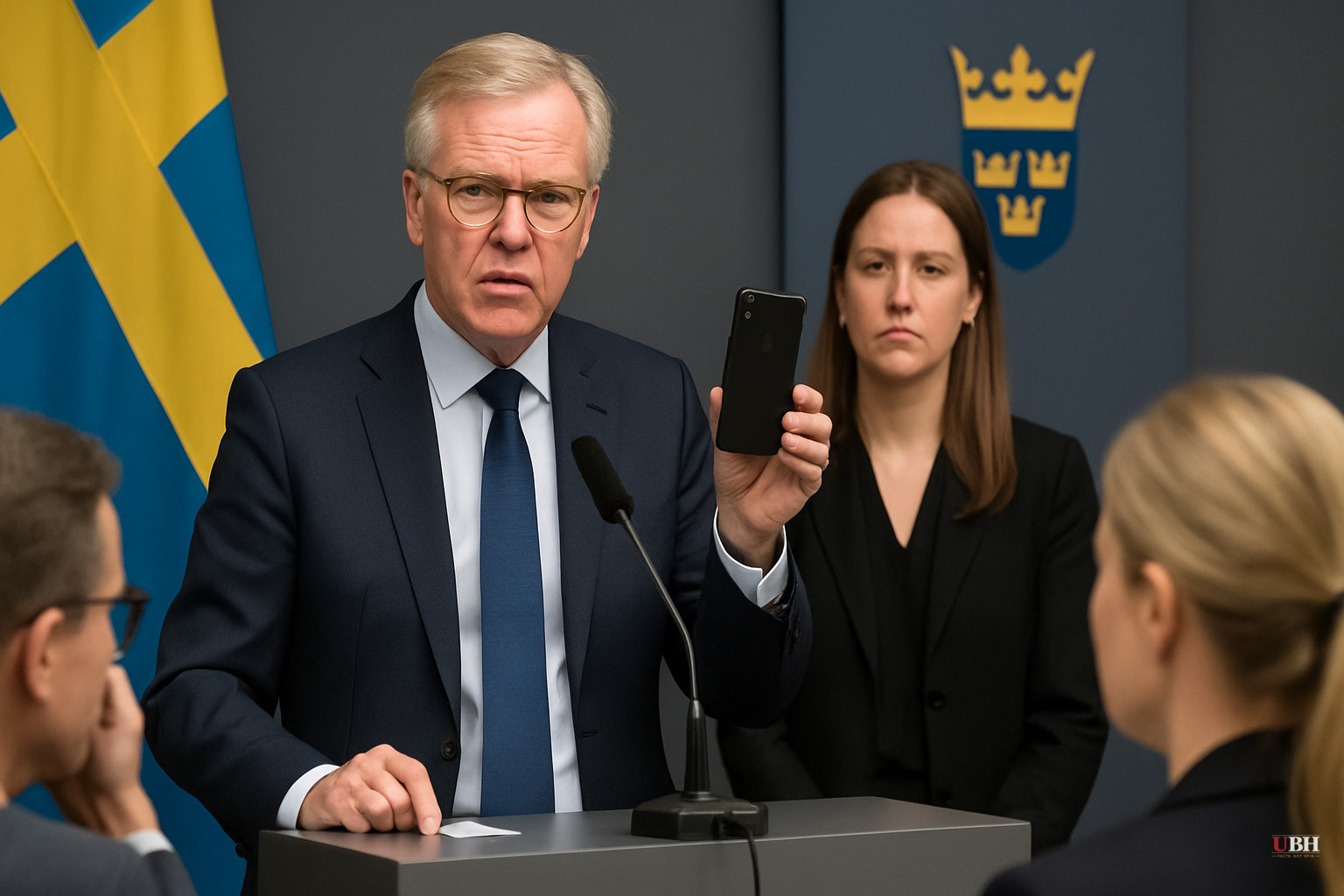
Sweden Pulls the Plug — Literally
Sweden is banning mobile phones in schools starting fall 2026. Not "exploring" a ban. Not "piloting" a program. Banning them.
Lawmaker Joar Forsell, chairperson of the Swedish parliament's education committee, told the Associated Press that officials have seen a decline in the general ability to read and write, especially among younger students. "We're rolling the screens back because we believe that books and more traditional ways of learning are better for kids," he said.
This Isn't a Fringe Move
Sweden isn't acting alone. It's part of a coordinated international shift.
Finland — also in the Nordics — enacted restrictions on mobile devices in schools in August 2025, according to NPR. Denmark looks set to implement a similar ban. Spain and South Korea have already taken steps ranging from classroom bans to limits on screen-based homework.
In the United States, the Los Angeles Unified School District — the second-largest school district in the country — announced it will ban screens until second grade, require daily screen-time caps by grade level, ban YouTube outright, and mandate an audit of all education technology contracts.
That last point stands out. An audit of ed-tech contracts means someone is finally asking how much this cost and whether it worked.
The Country That Went All-In on Ed-Tech Is Now Reversing Course
Sweden's reversal is striking because this is a country that went further than almost anyone else in adopting digital education. Sweden is home to Spotify and Ericsson. It has one of the most digitally advanced education systems on the planet.
And it's saying the experiment failed.
Since 2023, Sweden's center-right coalition has been methodically reversing course — prioritizing reading time, reducing screen time, and returning to books and traditional learning tools, particularly for younger students. The mobile ban this fall is the culmination of that three-year policy shift, according to NPR. Sweden didn't reject technology out of fear. It ran the experiment. The results pointed in one direction. It changed course.
What Mainstream Coverage Is Getting Wrong
Most of the media coverage frames this as a feel-good story about concerned parents and forward-thinking governments. That's incomplete.
The real story is accountability. Governments worldwide spent billions of taxpayer dollars pushing laptops, tablets, and learning apps into classrooms based on thin evidence. Tech companies made enormous profits. Ed-tech became an industry. And in the meantime, literacy rates dropped.
No one is naming the companies that sold these systems. No one is asking who lobbied for these programs. No one is doing the math on what it cost versus what it delivered.
The media is treating this as a cultural moment — "screens vs. books" — when it's actually a story about government spending and corporate influence in public education. Those questions deserve more scrutiny.
The Data Problem
Sweden's parliament says reading and writing ability has declined. That's the government's own admission, per Forsell's statement to AP.
What's missing — and what much of the coverage glosses over — is a rigorous before-and-after analysis of how much the tech push contributed versus other factors. NPR noted that a new study is measuring whether school cell phone bans actually work. That's the right question. The results should be watched closely.
But the burden of proof has shifted. For two decades, the assumption was that more technology in classrooms was automatically better. Countries spent accordingly. Now Sweden, Finland, Denmark, Spain, South Korea, and Los Angeles are all moving in the same direction at roughly the same time.
When multiple advanced education systems make the same choice simultaneously, it suggests a clear pattern.
What This Means for American Parents
The U.S. is behind on this. A handful of states and large districts like LAUSD are moving, but there's no federal coordination and no national policy. Parents are largely fighting this school-by-school.
Meanwhile, the ed-tech industry — which sold schools on the premise that screens equal learning — still has enormous influence over curriculum decisions and school board contracts.
Sweden's move is significant for American districts. If the most digitally advanced education system in the world is scrapping phones from classrooms because literacy is declining, American school boards owe parents a straight answer: what evidence did you use when you adopted these tools, and what's your plan now?
The answer in most districts will be silence.
Sources used for this briefing
5 links from 5 independent newsrooms (syndicated copies of the same report count once)
These are the sources it draws on, linked so you can verify.


