
Unbiased headlines. Facts, not spin.
Every story is an unbiased news briefing written from 110+ sources across the spectrum — sources linked so you can verify it yourself.
 politics
Breaking / Critical (9/10)
July 22, 2026 at 07:55 PM
politics
Breaking / Critical (9/10)
July 22, 2026 at 07:55 PM
Supreme Court Ruling in Trump v. Slaughter Strips Removal Protections From Independent Agency Heads
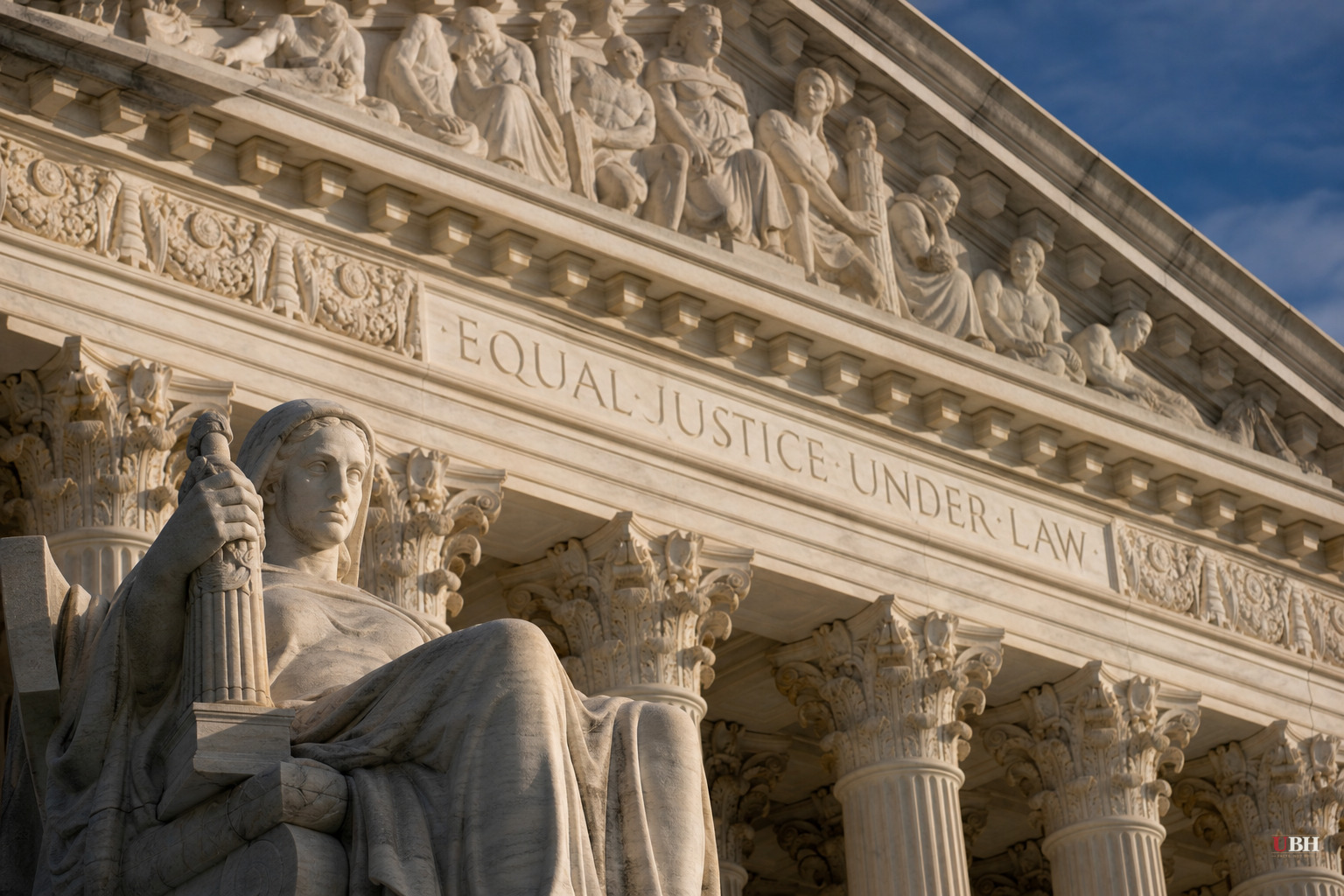
The Supreme Court has ruled that members of the Federal Trade Commission, and by extension most other so-called independent agencies, can be removed by the president without cause. The decision in Trump v. Slaughter guts what remained of Humphrey's Executor v. United States, the 1935 precedent that let Congress shield certain agency heads from at-will presidential firing.
According to Reason's analysis of the ruling, Congress can no longer limit the president's authority to remove "principal officers who exercise executive power," with one notable exception carved out for the Federal Reserve. Reason's legal writer argues the practical fallout may be smaller than people think, since most independent agencies had already stopped acting independently long before this ruling. As evidence, the outlet points to Lina Khan stepping down as FTC chair the moment Trump took office in January 2025, despite her term running well past that date.
But the ruling's reach goes further than the FTC. Reason notes that in the wake of Slaughter, Trump removed all remaining members of the Election Assistance Commission. That's a body that helps states run elections and sets rules for mail voter registration. With no members left, the EAC may not be able to function at all.
Many multi-member commissions, including the EAC and the Federal Election Commission, require a quorum to take official action. Reason points out that under the Federal Vacancies Reform Act, seats on these commissions can't be filled with temporary acting appointees the way ordinary executive-branch jobs can. If the Senate doesn't move fast to confirm replacements, an agency can simply go dark.
This dynamic cuts both ways politically. A future Democratic president could just as easily use this same power to fire Trump-aligned commissioners and freeze agencies Republicans rely on. Reason's own framing acknowledges the ruling doesn't guarantee the president gets an agency that does what he wants. It flags that removing FEC commissioners "the President does not like" won't make the FEC align with his agenda. It could just as easily paralyze the agency instead.
The Left's Concern: Judicial and Executive Power Grab
The Atlantic's coverage, drawn from a Washington Week panel discussion, focuses less on FTC removal power specifically and more on a broader concern about the Court expanding presidential authority while simultaneously expanding its own power to define the limits of that authority. CNN's Joan Biskupic told the panel, "What this Supreme Court has done, not just for the presidential power but for its own power, is big. Its own power is also enhanced by the fact that it will be judges deciding what are official or unofficial acts."
If courts get to decide case-by-case what counts as an "official" presidential act versus personal conduct, that grants significant interpretive authority to judges rather than serving as a neutral technical fix. Critics on the left argue this concentrates power in two branches simultaneously, the presidency and the judiciary, at the expense of the legislative branch's ability to structure how the executive branch is run.
The Atlantic panel, which also included Dan Balz of The Washington Post, Jan Crawford of CBS News, and Charlie Savage of The New York Times, framed the ruling primarily around criminal immunity implications for Trump rather than the FTC removal question directly. That's a notable gap: the panel discussion cited by The Atlantic doesn't engage with the quorum and Vacancies Reform Act mechanics that Reason's analysis flags as the most concrete near-term consequence. Readers relying solely on that panel discussion would miss the EAC shutdown entirely.
What's Proven, What's Alleged, What's Unresolved
What's proven: the Supreme Court has removed for-cause protections for FTC commissioners and, per Reason's reading, likely for other principal officers exercising executive power, except the Federal Reserve. Trump has already removed all members of the Election Assistance Commission following the ruling, according to Reason's reporting.
What's alleged but not resolved: whether this consolidates unchecked power in the presidency long-term, or whether it simply formalizes an independence that had already eroded in practice, as Reason argues happened at the FTC under Khan. Whether the judiciary's expanded role in classifying "official" versus "unofficial" presidential acts amounts to a durable shift in judicial power, as Biskupic contends, remains a matter of interpretation rather than settled fact.
The unresolved practical question is whether the Senate will move to confirm new Election Assistance Commission members before the 2026 midterm cycle intensifies, and whether an empty EAC affects state mail-voter-registration rulemaking in the meantime. No timeline for replacement nominations has been announced.
Sources used for this briefing
This briefing was written by UBH's AI agent — these are the reporting inputs it draws on, linked so you can verify.


