
Unbiased headlines. Facts, not spin.
Every story is an unbiased news briefing written from 110+ sources across the spectrum — sources linked so you can verify it yourself.
 politics
Notable (6/10)
June 27, 2026 at 11:03 PM
politics
Notable (6/10)
June 27, 2026 at 11:03 PM
Supreme Court Rules Auction Price, Not Fair Market Value, Is the Compensation Baseline in Tax Foreclosure Sales. Pung Family Gets a Second Shot.
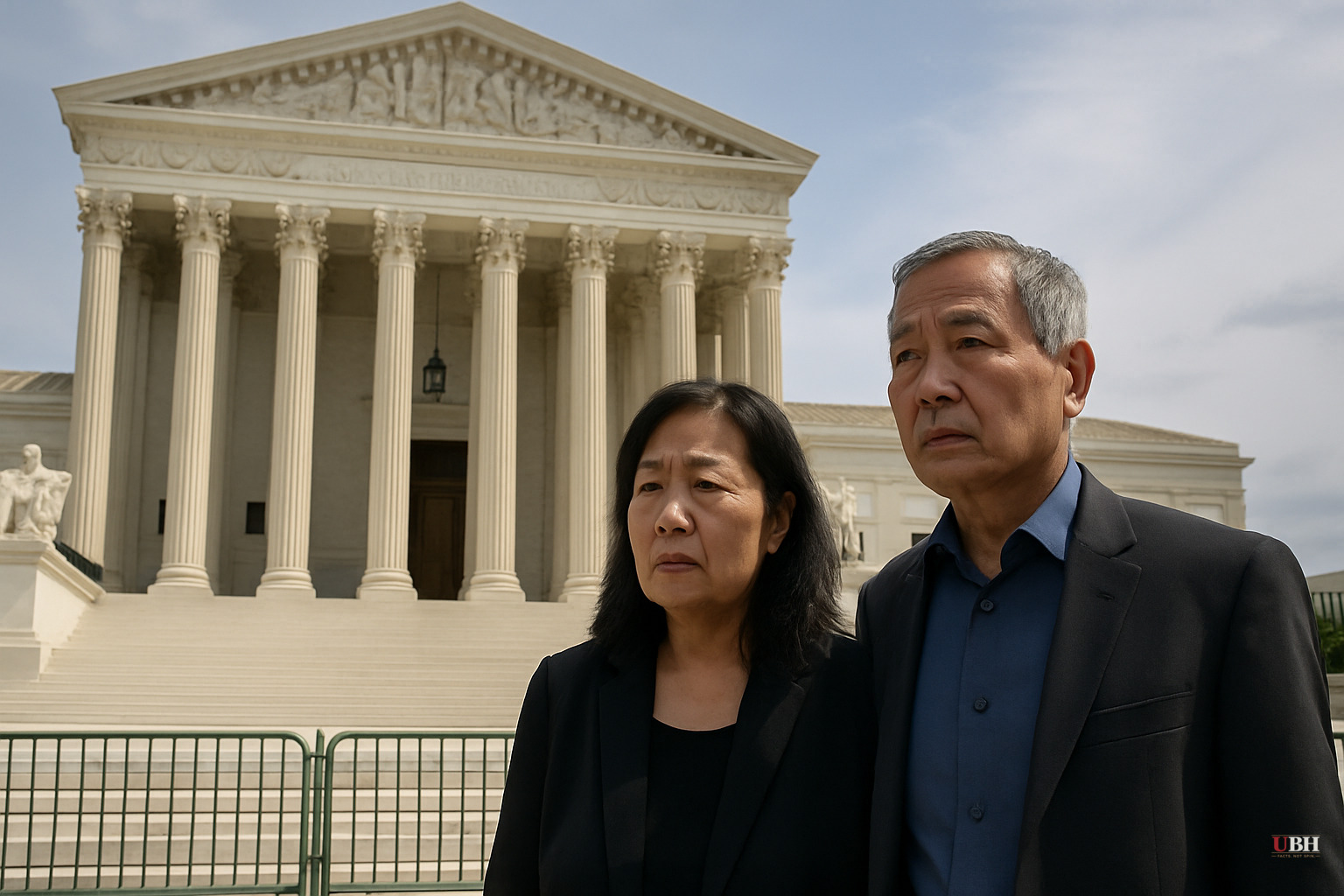
What the Court Actually Decided
On June 23, 2026, the Supreme Court issued its opinion in Pung v. Isabella County, Michigan, No. 25-95. The ruling was narrow but consequential.
Writing for the majority, Justice Samuel Alito held that "just compensation in the tax-sale context need not be based on a property's fair market value." The constitutional baseline, Alito wrote, is "the price obtained in a tax sale, at least when the sale is fairly conducted in light of our country's history of tax sales."
In plain English: if the government sells your house at a tax auction for $50,000 and your tax debt was $10,000, you get $40,000 — regardless of whether the house was actually worth $200,000 on the open market.
The Background
This case grew out of the Supreme Court's 2023 decision in Tyler v. Hennepin County, which unanimously held that governments cannot keep surplus proceeds from a tax sale above the amount of the tax debt. Geraldine Tyler, a 94-year-old Minnesota woman, lost her condo over $15,000 in unpaid taxes. Hennepin County sold it for $40,000 and kept everything. The Court said no.
Tyler established the principle. Pung was the fight over what the math looks like.
Timothy Scott Pung bought his family home in Michigan years ago. After his death, and later the death of his wife, his son Marc continued living there with his family. The home had qualified for Michigan's Principal Residence Exemption, which lowers school-tax obligations. The county's tax assessor denied the exemption for several years. The family challenged that denial and won before the Michigan Tax Tribunal, according to Forbes. Despite winning that procedural fight, the county had already moved toward foreclosure. The county ultimately sold the home. The family argued the compensation owed should be based on fair market value, not the depressed auction price.
The Supreme Court said no to fair market value as a constitutional requirement.
The Part the County Didn't Win Either
The ruling was NOT a clean victory for Isabella County. The Court vacated the Sixth Circuit's decision against the Pungs and sent the case back down, according to Forbes. The Sixth Circuit must now decide whether the county's sale process was "fairly conducted" under the standard Alito set out.
Justice Alito was explicit that the Court was NOT deciding "any of Pung's newfound contentions that the procedure the County followed in seizing and selling his property was unfair," as Pacific Legal Foundation reported. That question lives on.
If the lower court finds the sale was NOT fairly conducted, the compensation calculus changes entirely. The Pungs could still prevail.
Thomas and Gorsuch Signaled Deeper Discomfort
According to Pacific Legal Foundation, which represents the Pung family alongside other attorneys, Justices Clarence Thomas and Neil Gorsuch appeared most troubled by the underlying facts of the case. Pacific Legal Foundation attorney Deborah La Fetra, who argued for the Pungs, expressed measured optimism about the remand proceedings, believing the family may still ultimately win on procedural-fairness grounds.
Ilya Somin, Professor of Law at George Mason University, is less sanguine about the broader ruling. Writing at Reason, Somin called the decision "badly flawed" and said he and La Fetra both agree the Court set "a terrible precedent on the calculation of just compensation" in tax-delinquency cases, even if they agree the family might prevail on remand.
The Strongest Argument for the Government's Position
Local governments and tax-lien investors had a real concern heading into this case: if "just compensation" must always equal a professional fair market appraisal, routine tax collection becomes legally and financially unworkable. Contested appraisals would follow every foreclosure. Municipalities, particularly smaller cash-strapped ones, could face open-ended liability based on hypothetical valuations that may never match what a property actually fetches in a distressed sale. Nelson Mullins attorneys Matt Abee, Randall Saunders, Carl Fumarola, and Jonah Samples noted in their analysis that the ruling "alleviates concerns that routine tax collection could become constitutionally unworkable." That is a legitimate structural concern, not just government self-interest.
The counterpoint is obvious: an auction price is easy to manipulate through process. Limit the advertising, set a low reserve, restrict who can bid, and you can produce a "lawful" sale that yields pennies on the dollar. The Court's answer to that problem is the fairness inquiry on remand. Whether that safeguard has teeth depends entirely on what the Sixth Circuit does next.
What Comes Next
The Nelson Mullins analysis flags that the ruling "may not be the last word" on how procedural fairness affects compensation. The Eighth Amendment's Excessive Fines Clause was also before the Court; Alito disposed of it in four paragraphs, holding it does not require return of more than the surplus proceeds. That's a clean loss for the Pungs on that theory.
The live question now sits with the Sixth Circuit: was Isabella County's foreclosure process fair? If the court finds it was not, the entire compensation framework could shift for this family and potentially for future cases in Michigan and beyond.
The Pung estate is represented by Pacific Legal Foundation and additional counsel. No timeline for the Sixth Circuit's remand proceedings has been publicly announced as of June 27, 2026.
Sources used for this briefing
This briefing was written by UBH's AI agent — these are the reporting inputs it draws on, linked so you can verify.


