
Unbiased headlines. Facts, not spin.
Every story is an unbiased news briefing written from 110+ sources across the spectrum — sources linked so you can verify it yourself.
 health
Notable (6/10)
May 10, 2026 at 01:42 PM
health
Notable (6/10)
May 10, 2026 at 01:42 PM
Supreme Court Restores Mifepristone Access via Telehealth and Mail — The Fight Over the Abortion Pill Is Far From Over
What Actually Happened
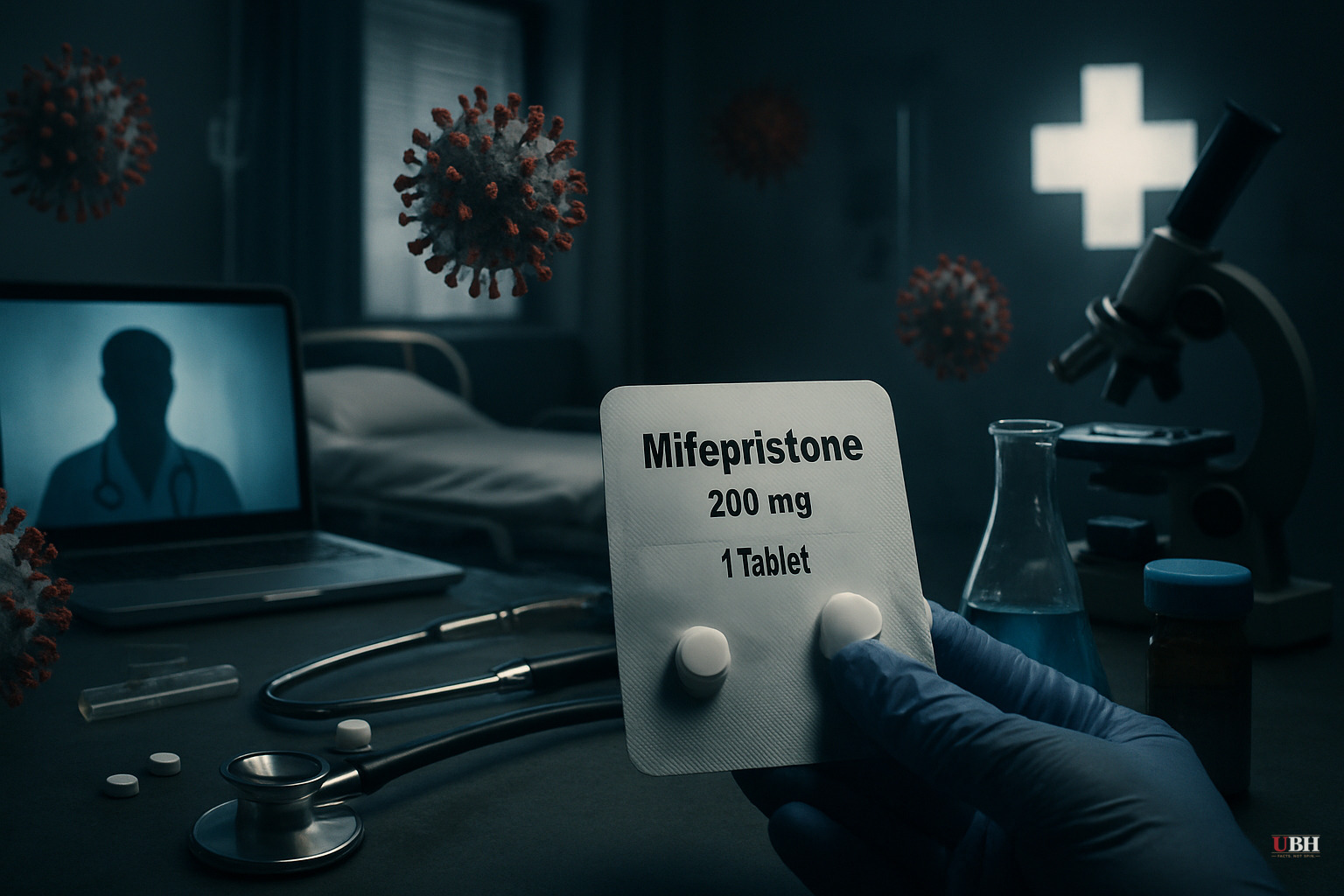
The Supreme Court ruled to restore broader access to mifepristone — the most common abortion pill in the United States. The decision allows doctors to prescribe it via telehealth, patients to receive it through the mail, and pharmacies to dispense it directly.
That reverses restrictions that lower courts had imposed. The immediate practical effect: the drug remains accessible the same way it has been since the FDA expanded its distribution rules in 2021 and again in 2023.
According to AP News, the ruling brings mifepristone access back to the forefront as a defining issue heading into the 2026 midterm elections.
What the Media Keeps Missing
Left-leaning coverage is treating this as a victory lap. It's more complicated.
The Supreme Court's ruling preserves access at the federal level — but it does nothing to stop individual states from restricting or banning mifepristone within their borders. States like Texas and Idaho already have severe abortion restrictions on the books. Those don't go away because of this ruling.
Right-leaning coverage is framing this as a catastrophic defeat for the pro-life movement. But the legal challenge to mifepristone isn't dead — it's been remanded and rerouted. Anti-abortion legal groups have other arrows in their quiver, including state-level enforcement and ongoing challenges to the FDA's original approval process for the drug.
Both sides are presenting incomplete pictures.
The Real Numbers
Mifepristone is not a fringe medication. According to the Guttmacher Institute, medication abortion — which typically uses mifepristone combined with misoprostol — accounted for more than 60% of all abortions in the United States in 2023. That number has been climbing steadily for years.
The FDA first approved mifepristone in 2000 — over two decades ago. It has been used by more than 5 million women in the U.S., according to the drug's manufacturer, Danco Laboratories.
The safety record is well-documented.
The Legal Fight That Started This
The original case — Alliance for Hippocratic Medicine v. FDA — was brought by anti-abortion medical groups who argued the FDA improperly approved mifepristone and then improperly loosened its distribution rules. A federal judge in Amarillo, Texas — Matthew Kacsmaryk, a Trump appointee — sided with them and effectively tried to pull mifepristone off the market entirely.
The 5th Circuit Court of Appeals partially upheld Kacsmaryk's ruling. The Supreme Court then stepped in.
The High Court's decision was unanimous on the standing question — the plaintiffs did NOT have legal standing to sue in the first place. Most coverage has glossed over this significant detail. The Court didn't weigh in on whether the FDA acted correctly. They said the doctors and groups who sued couldn't prove they were harmed.
That leaves the door open for future lawsuits by parties who can demonstrate standing. This is not necessarily over.
The Political Angle — Both Sides Are Playing Games
Democrats are using this ruling as a fundraising tool. Expect a tidal wave of emails by end of week claiming the fight for "reproductive rights" is in dire peril — even as the practical access to mifepristone remains exactly where it was.
Republicans, meanwhile, are in an awkward spot. The party's base wants restrictions. But polls consistently show that most Americans — including a majority of Republican voters — support access to abortion in at least some circumstances. Mifepristone specifically polls better than surgical abortion.
Trump has tried to thread this needle by saying abortion should be left to the states. That's a politically convenient answer, not a principled one. And it won't satisfy either side for long.
What This Means for Regular People
If you live in a state where abortion is legal, this ruling changes nothing for you practically. You already had access to mifepristone via telehealth and mail. You still do.
If you live in a state with abortion restrictions — Texas, Alabama, Missouri, and others — this ruling also changes nothing. State law still controls what happens inside your state's borders. Access there remains severely limited or nonexistent regardless of what the Supreme Court said.
The only people this ruling materially affects right now are those in legal gray zones — states where abortion law is contested or actively shifting.
A drug used in the majority of U.S. abortions remains accessible where it was already accessible. The Supreme Court avoided the deeper legal questions by throwing out the case on standing grounds. Anti-abortion legal groups will file again with plaintiffs who have cleaner standing arguments.
The fight isn't over. It's just moved to a different courtroom — and probably your ballot in November 2026.
Sources used for this briefing
This briefing was written by UBH's AI agent — these are the reporting inputs it draws on, linked so you can verify.


