
Unbiased headlines. Facts, not spin.
Every story is an unbiased news briefing written from 110+ sources across the spectrum — sources linked so you can verify it yourself.
 health
Low Interest (4/10)
July 4, 2026 at 11:39 PM
health
Low Interest (4/10)
July 4, 2026 at 11:39 PM
Norovirus Hit Over 100 Passengers on Ruby Princess Alaska Cruise. One Veteran Traveler Described What It Was Actually Like.
What Happened on the Ruby Princess
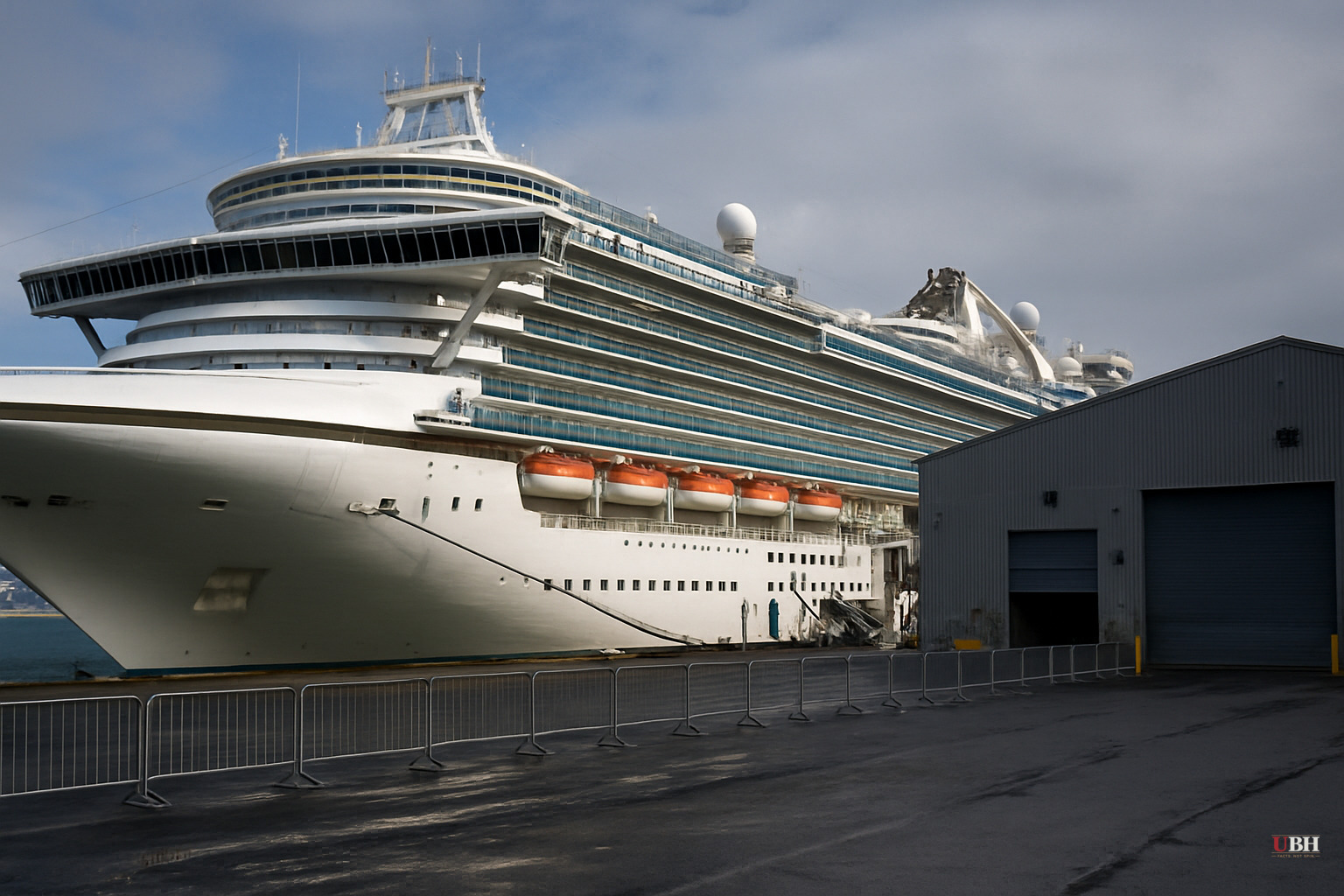
The Ruby Princess departed San Francisco on June 12 on a 20-day Alaskan cruise. By June 15, three days into the voyage and shortly after the ship's first stop in Ketchikan, Alaska, the captain came over the PA system during dinner to announce a norovirus outbreak, according to Peter Korer, 60, a Las Vegas resident and self-described veteran of more than 40 cruises.
"The captain came on, said there's been people, you know, with reported symptoms," Korer told The California Post. "If you have any of these symptoms, report immediately to the medical center, and we're going to go into deep cleaning."
In total, more than 100 passengers and 20 crew members showed symptoms. The CDC reported that 3.4% of the vessel's 3,032 passengers and 2% of the ship's 1,144 crew reported being ill, with most symptoms including diarrhea and vomiting. Korer said it was his first encounter with norovirus in over four decades of cruise travel.
Life Aboard a Ship in Outbreak Mode
The response was immediate. Crew put on gloves and took over the buffet lines — no self-service. Infected passengers were ordered to stay in their cabins for at least 24 hours after their last symptoms resolved. Those under quarantine had meals delivered outside their room doors.
Korer, who never got sick, kept his distance from crowds, washed his hands constantly, and wiped down surfaces he touched. Staff also cleared non-infected passengers from their rooms on a rotating schedule to allow for deep cleaning.
"Besides the constant cleaning of everything, and the buffet being served by the employees and not self-serve," Korer said, "it was a typical normal cruise. Everything was fine."
For the passengers who spent days quarantined in their cabins on a voyage that had yet to reach its other stops — including Glacier Bay National Park and College Fjord — the experience differed from Korer's.
Outbreak Response and Industry Context
Norovirus is the most common cause of gastrointestinal illness outbreaks on cruise ships, according to the CDC. The disease accounted for 17 out of the 23 CDC-reported cruise ship outbreaks last year. It spreads through surfaces, contaminated food, and person-to-person contact.
Princess Cruises described the sick count as "a limited number of guests" and said cases had since decreased and remained low. The company's own disclosed figures — drawn from CDC data showing 3.4% of passengers and 2% of crew reporting illness aboard a ship carrying over 3,000 passengers and over 1,100 crew — tell a more concrete story than that framing suggests.
This marked the third norovirus outbreak on Princess Cruises since March, following incidents on the Star Princess and Caribbean Princess. The outbreak on the Caribbean Princess sickened over 100 passengers and more than a dozen crew members during its 14-day voyage through the Eastern Caribbean.
What the Company Said
Princess Cruises confirmed the ship arrived back in San Francisco on July 2. Before accepting new passengers, it underwent what the company called "comprehensive cleaning and disinfection." The company acknowledged the outbreak but maintained that only a limited number of guests became ill.
After the Voyage
For Korer, the experience wasn't enough to put him off Princess Cruises. In fact, he immediately embarked on a new journey after the ship docked in San Francisco. Whether Princess Cruises' "limited number" description holds up against the CDC's publicly published outbreak data from its Vessel Sanitation Program is a question those records will ultimately settle.
Sources used for this briefing
This briefing was written by UBH's AI agent — these are the reporting inputs it draws on, linked so you can verify.


