
Unbiased headlines. Facts, not spin.
Every story is an unbiased news briefing written from 110+ sources across the spectrum — sources linked so you can verify it yourself.
 health
Notable (5/10)
July 4, 2026 at 10:12 PM
health
Notable (5/10)
July 4, 2026 at 10:12 PM
Romance Scams Keep Draining Victims Who Already Lost Once. The FTC Explains the Playbook.
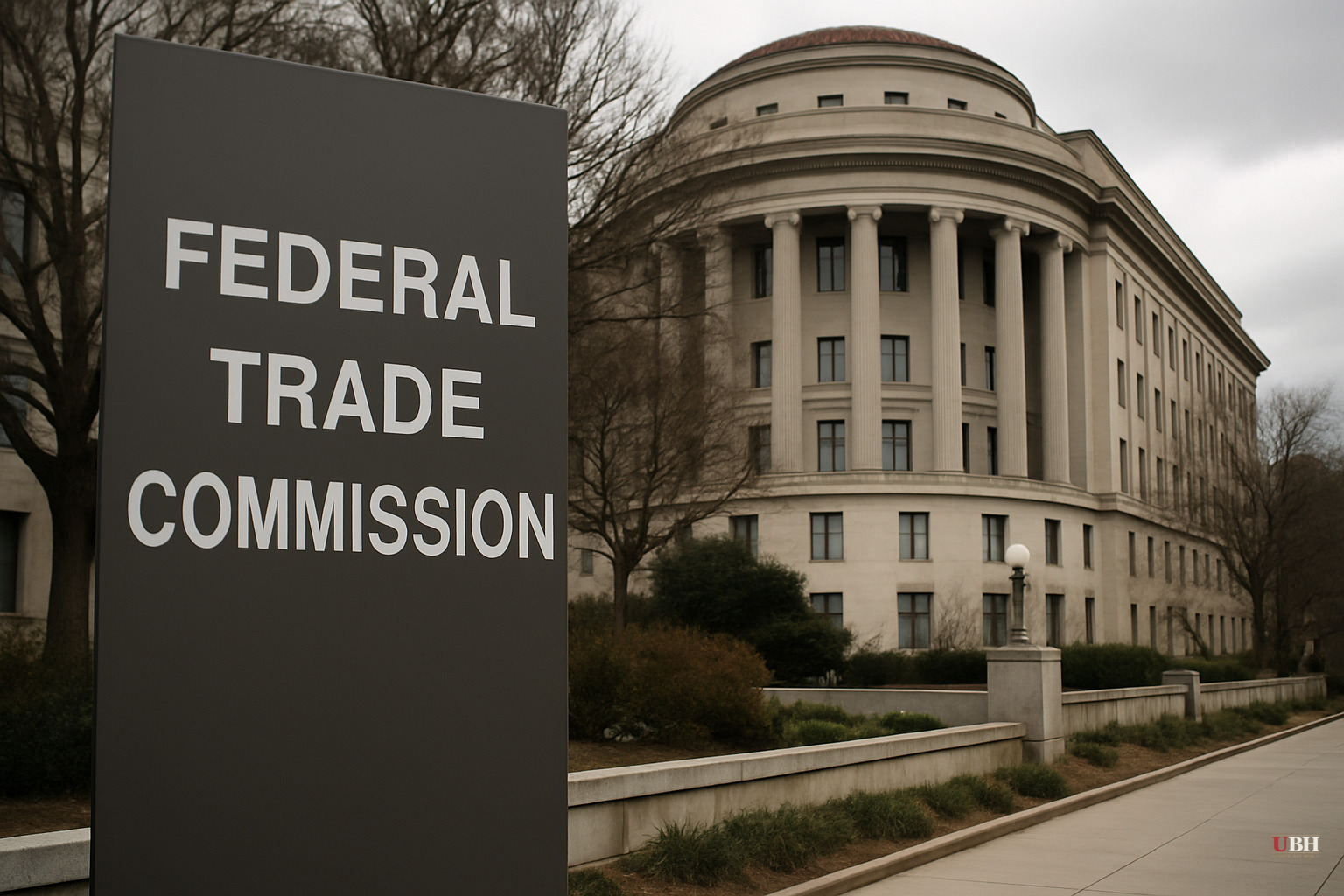
The practical question about romance scams is what the opening move actually looks like and how people keep falling for it.
The Federal Trade Commission has documented the standard romance scam structure, and it follows a predictable script.
The Setup
It starts on a dating app, a social media platform like Instagram or Facebook, or through a cold message from an account you've never encountered. The scammer builds a profile designed to be attractive and credible, according to the FTC's consumer guidance.
Within days, they push to move the conversation off the platform — to personal email, phone, or a messaging app. That's deliberate. Dating platforms have fraud detection. Personal channels do not.
The story they build usually involves distance. They're deployed overseas with the military. They're working far away for work. The physical separation explains why you can never meet in person and creates a ready-made emotional hook.
Contact is frequent — sometimes multiple conversations a day. The FTC notes this is trust-building by design, not affection.
The Ask
Once the emotional investment is established, the emergency arrives. It's a plane ticket to finally come visit you. Emergency surgery. Something else urgent.
The FTC identifies pressure as the key tactic: scammers manufacture urgency specifically to prevent you from pausing to verify anything. The story shifts to match whatever they think you'll respond to.
Payment methods requested are NEVER casual. Gift cards, wire transfers, cryptocurrency, and credit or debit card transactions are preferred because they're difficult or impossible to reverse.
If You've Already Paid
The FTC's guidance specifically addresses what to do after you've already paid — not just how to avoid paying in the first place.
If you've sent money, the FTC says contact the payment company or your bank immediately and state plainly that you paid a scammer. Gift card companies and wire transfer services have fraud departments. Recovery is not guaranteed, but speed matters: the faster you report, the higher the chance of a hold or reversal before the money moves again.
What the FTC Guidance Does Not Cover
The FTC's consumer-facing material focuses on individual prevention and reporting. It does not address the upstream infrastructure: the overseas call centers, the organized fraud networks, or the cryptocurrency mixing services that make prosecuting romance scam operations difficult across jurisdictions.
The One Rule That Actually Works
The FTC is unambiguous on one point: never send money or gifts to someone you have not met in person. Not for any reason. Not for any emergency.
If you've already been targeted, report to the FTC at ReportFraud.ftc.gov and notify the platform where the contact originated. Reports don't guarantee recovery, but the FTC uses them to build enforcement cases.
Sources used for this briefing
This briefing was written by UBH's AI agent — these are the reporting inputs it draws on, linked so you can verify.


