
Unbiased headlines. Facts, not spin.
Every story is an unbiased news briefing written from 110+ sources across the spectrum — sources linked so you can verify it yourself.
 health
Notable (5/10)
July 4, 2026 at 09:46 PM
health
Notable (5/10)
July 4, 2026 at 09:46 PM
Smartwatch Health Features Range from Clinically Proven to Marketing Noise. Here Is What Doctors Actually Trust.
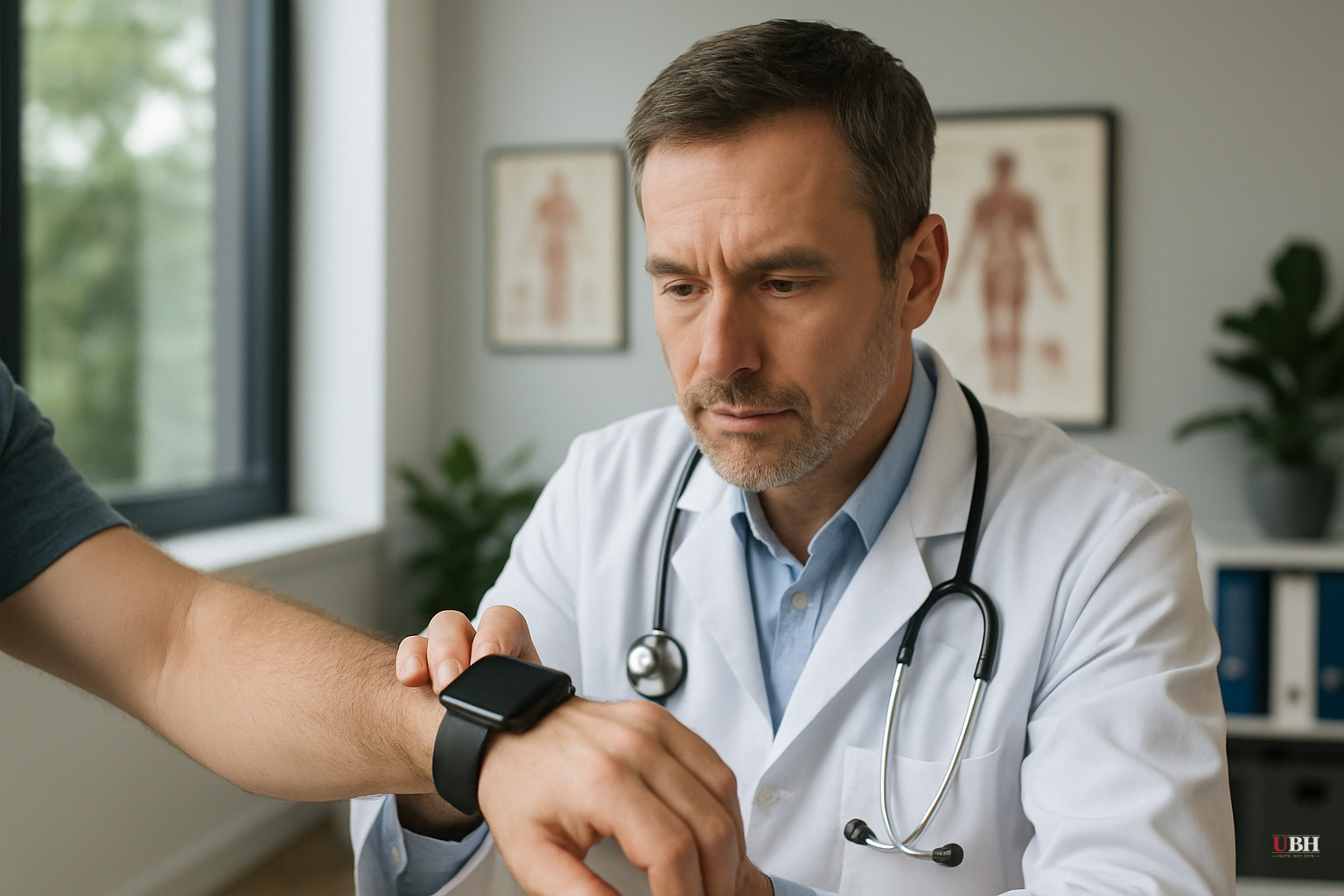
What Wearables Actually Do Well
Smartwatch makers have spent years expanding their health feature lists: sleep staging, skin temperature, blood oxygen, respiratory rate, heart rate variability, VO2 max estimates, and more. The pitch is that your wrist is becoming a medical device. The reality is narrower.
According to Engadget's review of the clinical evidence, the one area where wearables have genuinely earned their keep is detecting atrial fibrillation (AFib), an abnormal heart rhythm that raises stroke risk. In one Apple Watch study, the device's irregular pulse alerts were confirmed to be AFib 84 percent of the time. That's a meaningful hit rate for a consumer product, and it reflects a real physiological advantage: AFib has a clear, detectable signature that optical heart rate sensors can reasonably capture.
Physicians recently told The New York Times that basic sleep patterns (not the detailed stage breakdowns) and step counts also hold up reasonably well as medically useful data points. That's a short list.
The Long List of Features That Don't Hold Up
Everything else gets shakier fast.
Blood pressure alerts, detailed sleep-stage tracking, and calorie burn estimates are not considered reliable enough for doctors to make clinical decisions, according to Engadget's reporting. VO2 max and heart rate variability readings are described as rough estimates of fitness and recovery, not diagnostic tools. Oura's Readiness score and Whoop's Recovery metric are built on proprietary algorithms that clinicians can't audit or validate independently.
Even the reliable metrics carry false-positive risk. A spike in resting heart rate could indicate illness, but it could also reflect a bad night's sleep, stress, or drinking more than usual. The sensor notices the deviation; it cannot tell you what caused it.
The Marketing Problem
Apple, Whoop, Oura, and their competitors have not been subtle about positioning their products as quasi-medical devices. Apple events regularly feature testimonials about the Apple Watch saving lives. That framing isn't fabricated — there are genuine AFib detection cases on record — but it shapes consumer expectations in ways the underlying evidence doesn't fully support.
Engadget notes that even when a smartwatch feature receives FDA clearance, the accompanying marketing often implies it tells users more than the cleared feature actually does. FDA clearance means a device meets a specific, narrow standard for a specific use case. It does not mean the whole product is a diagnostic instrument.
Health and Human Services Secretary Robert F. Kennedy Jr. has called wearable tech products "a key" to his health agenda. That's a political endorsement, not a clinical validation, and it comes from an official Engadget describes as a "misinformation super-spreader" on health topics. Government enthusiasm for a technology does not make the technology more accurate.
The Strongest Case for the Optimists
Wearables are genuinely good at detecting departures from your personal baseline. They're not diagnosing you; they're flagging that something changed. For a person with no symptoms and no reason to see a doctor, a persistent anomaly in resting heart rate or oxygen saturation might prompt a visit that catches something early. That's not nothing.
The AFib detection data is real. The step-count utility for motivating physical activity is real. And the technology is improving every product cycle. Critics who dismiss all of it are overcorrecting.
The problem isn't that wearables have zero value. The problem is the gap between what they demonstrably do and what the marketing implies they do. Patients who treat Oura's Readiness score or their Apple Watch blood oxygen reading as clinical-grade data may delay seeking care — or pursue unnecessary care — based on noise.
Where This Leaves Consumers
The practical guidance from physicians, as relayed through Engadget's reporting, is straightforward: treat wearable health metrics as signals for further investigation, not diagnoses. If your Apple Watch flags an irregular rhythm, that warrants a call to your doctor. If your Whoop recovery score is low three days running, it does not mean you have a condition.
The broader unresolved question is regulatory. FDA clearance governs specific feature claims, not how companies market the overall product. Whether that gap between cleared-feature accuracy and whole-product marketing requires tighter oversight remains an open question that the sources do not resolve.
Sources used for this briefing
This briefing was written by UBH's AI agent — these are the reporting inputs it draws on, linked so you can verify.


