
Unbiased headlines. Facts, not spin.
Unbiased Headlines is an independently owned news organization. We bring you the facts, not opinions, written fresh from 110+ named sources. Sources linked so you can verify it yourself.
 politics
Notable (6/10)
Supreme Court Rejects Cities' Emergency Bid to Revive Biden-Era Rule on Pausing Deportation Cases
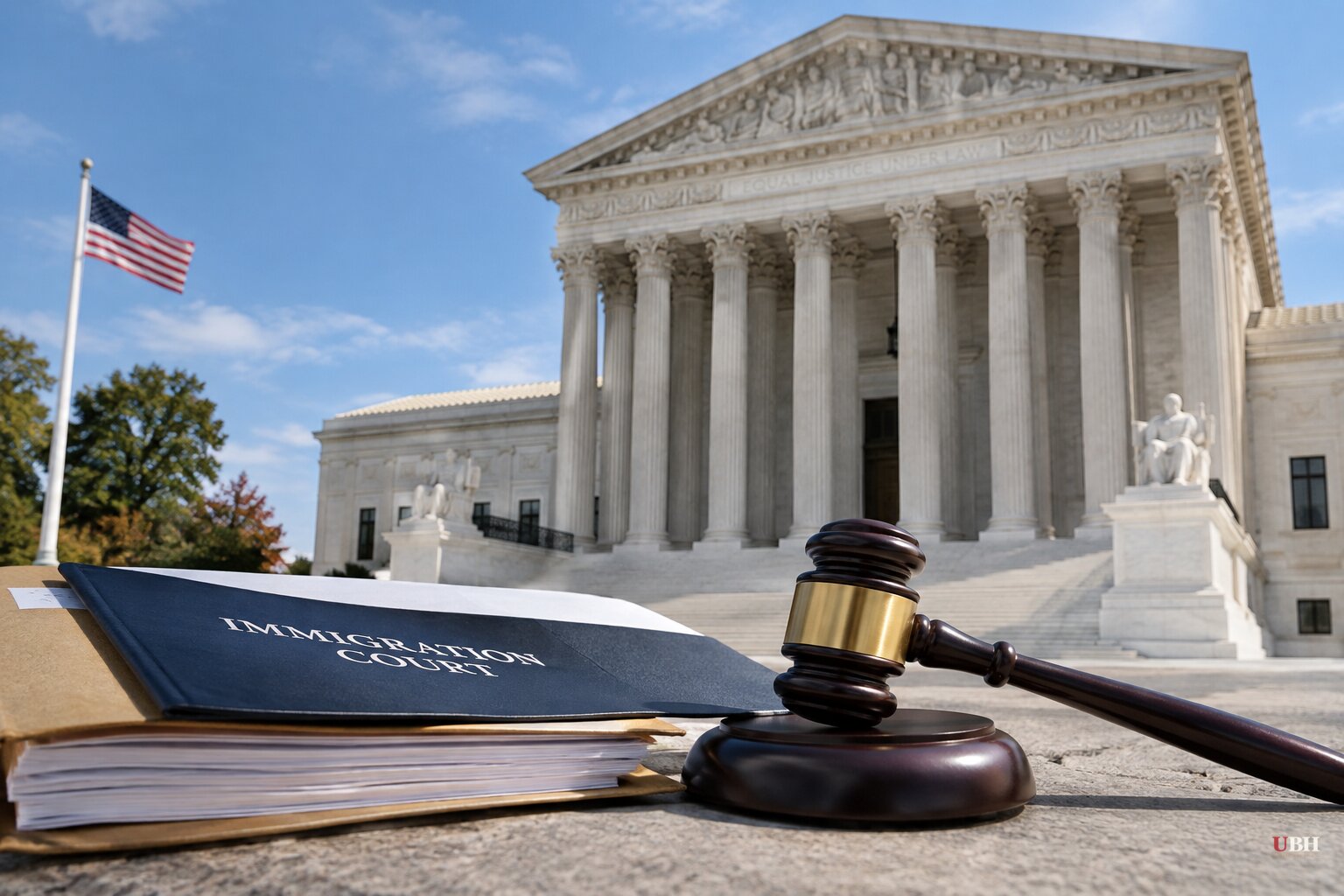
Since Texas sued in June to kill a Biden-era immigration rule, the case has moved from a Fort Worth federal courtroom to the Supreme Court. Today, Oct. 27, the justices turned down the last-ditch emergency request to save it.
The unsigned, one-sentence order denied an application from Baltimore; Columbus, Ohio; New Haven, Connecticut; and the California legal group Centro Legal de la Raza. There were no noted dissents and no explanation.
What the rule did
The policy is called administrative closure. It lets an immigration judge take a deportation case off the active docket without deciding whether the person can be removed. The case stays pending and can be put back on the calendar.
The Justice Department issued a rule in 2024 restoring that discretion. According to the cities' application, it covered situations like crime victims or neglected children waiting on relief from U.S. Citizenship and Immigration Services.
The tool has a long history and a contested one. During the first Trump administration, the attorney general found that immigration judges lacked authority to indefinitely suspend proceedings this way. Government statistics put the number of migrants granted administrative closure since 1990 at roughly 360,000. The Trump administration says closures of removal cases rose from nearly 172,000 to more than 268,000 between 2013 and 2017.
How the rule died
In April 2025, the acting director of the Executive Office for Immigration Review, the Justice Department unit that runs the immigration courts, issued a memo saying the office "could not — and will not — defend" the 2024 rule. Judges were told to keep following it unless they had a legal basis not to.
In June, Texas Attorney General Ken Paxton sued. Texas argued the rule worked as "indefinite amnesty" and caused "fiscal, public safety, and sovereign harms." U.S. District Judge Reed O'Connor, a George W. Bush appointee, entered a final consent judgment halting the rule nationwide. The judgment came on the same day the suit was filed.
Texas and the Trump administration also jointly asked the court to bar the immigration court system from enacting a similar policy in the future.
The procedural fight
The cities did not mainly argue that the rule was good policy. They argued the way it was killed was improper.
Their application said the judgment erased the rule "over the course of a single day, without meaningful judicial review, public participation" or rulemaking procedures. They accused the Justice Department and Texas of colluding to get around the process agencies must follow to repeal a rule.
The petition also warned about precedent: "As long as this judgment serves as a viable template, this Court's holding that agencies must use the same procedures when they amend or repeal a rule as they used to issue the rule in the first instance will be effectively a dead letter." It added that "such collusive suits will surely proliferate further."
The Justice Department and Texas see it differently. Solicitor General D. John Sauer told the justices that objections to the merits of a consent judgment are no substitute for Article III standing, and that the cities had not shown they would suffer immediate legal harm.
Texas's filing last week argued that a stay "would revive a rule the district court declared unlawful, renew the fiscal and sovereign injuries Texas alleged, and unsettle a final judgment accepted by the actual parties." It said responsible federal officials had concluded the rule "cannot be defended in good faith."
What the order does and does not settle
The order denies emergency relief. The one-line denial does not say whether the court reached standing, the merits, or the collusion argument, and the case continues in the lower courts.
For now, the judgment stays in force. Immigration judges lose a docket-management tool the cities say protected crime victims and neglected juveniles. Texas and the administration say the tool had become an open-ended way to avoid removal.
Immigration attorneys cited in coverage of the ruling add a wrinkle. They say the Trump administration has used case dismissals to detain people at immigration courts and move them into expedited removal. Federal agents arrested hundreds of migrants at immigration courts last year, in some cases after their cases were dismissed.
What comes next
The ruling adds to the Trump administration's run of immigration wins at the Supreme Court. Two larger immigration cases are on the merits docket in the coming months: the legality of deporting migrants to third countries, and the administration's mandatory detention policy.
Whether the cities can get a court to hear their challenge to the consent judgment is the open question. Nothing in Tuesday's order answers whether a federal agency and a friendly state can retire a final rule in a day.
Sources used for this briefing
7 links from 7 independent newsrooms (syndicated copies of the same report count once)
These are the sources it draws on, linked so you can verify.


