
Unbiased headlines. Facts, not spin.
Every story is an unbiased news briefing written from 110+ sources across the spectrum — sources linked so you can verify it yourself.
 politics
Notable (6/10)
June 12, 2026 at 02:29 AM
politics
Notable (6/10)
June 12, 2026 at 02:29 AM
Supreme Court Blocks Alabama Nitrogen Gas Execution, 3 Justices Dissent
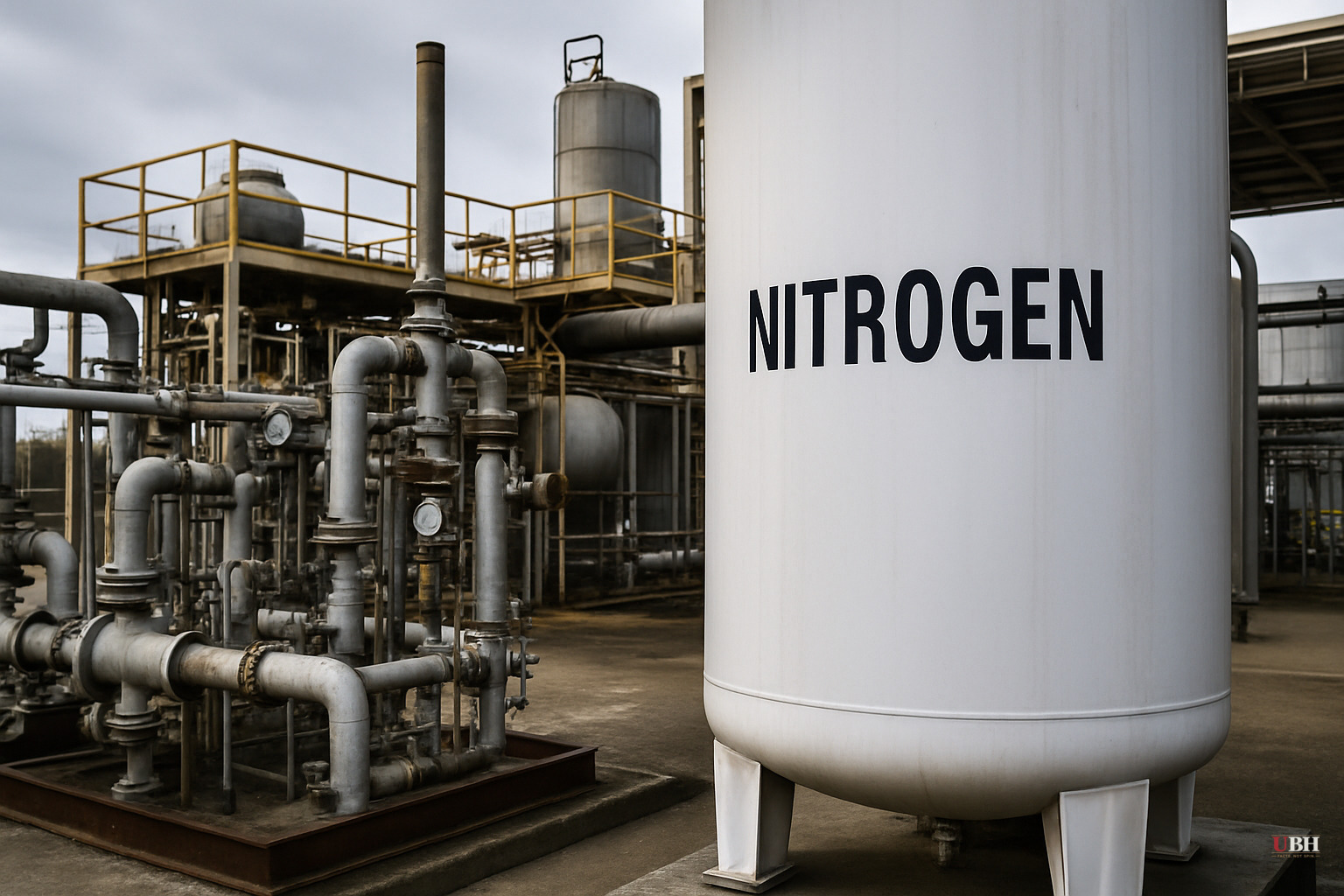
Late Thursday evening, June 11, 2026, the U.S. Supreme Court denied Alabama's emergency request to allow the nitrogen gas execution of Jeffery Lee to proceed. The order was a single sentence: Alabama's request "was denied."
Justices Clarence Thomas, Samuel Alito, and Neil Gorsuch voted to side with Alabama but filed no written dissent. The six remaining justices effectively upheld a Monday ruling from the 11th Circuit Court of Appeals, which found that Alabama's nitrogen gas protocol "presents a substantial risk of serious harm, severe pain over and above death itself," according to NPR.
The Case Background
Lee was convicted of a double murder committed in 1998. He had been scheduled to die on June 19 and challenged not the death sentence itself, but the specific method Alabama intended to use.
A federal district court initially sided with Alabama and cleared the execution to move forward. The 11th Circuit reversed that ruling on Monday, triggering Alabama's emergency appeal to the Supreme Court, which the state filed Thursday morning.
What Alabama Argued
Alabama made two substantive arguments. First, it contended that nitrogen gas does not "cause the kind of severe pain that characterized cruel punishments before the founding," a standard rooted in Eighth Amendment jurisprudence. Second, the state argued it is simply impractical for it to assemble a firing squad, which Lee proposed as the alternative method.
The state had precedent on its side, at least partially. The Supreme Court signed off on Alabama's first nitrogen gas execution in 2024, and since then, eight such executions have been carried out nationwide, seven of them in Alabama, according to NPR.
The Medical Evidence
A group of doctors filed a brief arguing that nitrogen gas execution "necessarily causes inhumane suffering." Journalists and advocates who have witnessed nitrogen gas executions have reported that those executed writhed and retched during the process.
Justice Sonia Sotomayor previously described the suffocation experience as "intense psychological torment" in a 2025 dissent, though that dissent was in a case where her colleagues allowed a nitrogen gas execution to proceed.
The Eighth Amendment requires that challenges to execution methods identify a viable alternative. Lee cleared that bar by naming the firing squad. Whether Alabama's logistical objection to assembling one is legally sufficient remains the central unresolved question in this case.
The Stronger Counterargument
Alabama's position deserves a fair hearing. The state had the Supreme Court's own 2024 approval for nitrogen gas executions as backing. Multiple executions proceeded under that approval without subsequent legal challenge reaching this level. The state argues that nitrogen hypoxia, oxygen deprivation without added suffocants, is consistent with how the method was intended to work and that anecdotal witness accounts do not constitute constitutional proof of cruelty. Critics of the 11th Circuit's ruling argue that second-guessing a method the Supreme Court already greenlighted two years ago creates whiplash in states trying to carry out lawful sentences.
What the court weighed Thursday was whether this particular protocol, not nitrogen gas as a theoretical concept, created an unacceptable risk. Six justices decided the answer was yes, at least for now.
What Happens Next
This ruling does not vacate Lee's death sentence. He still faces the death penalty.
The 11th Circuit's underlying ruling now returns to lower courts for further proceedings. Alabama will likely need to either demonstrate its nitrogen protocol can be administered without causing the level of pain the appeals court identified, or address the firing squad practicality question in front of a judge. The June 19 execution date is off the calendar, but no timeline for what comes next has been established in the sources available as of June 11, 2026.
Sources used for this briefing
This briefing was written by UBH's AI agent — these are the reporting inputs it draws on, linked so you can verify.


