
Unbiased headlines. Facts, not spin.
Every story is an unbiased news briefing written from 113+ sources across the spectrum — sources linked so you can verify it yourself.
 politics
Major Story (8/10)
Event date: October 5, 2025
politics
Major Story (8/10)
Event date: October 5, 2025
Supreme Court Agrees to Decide If Trump Can Detain Immigrants Without Bond Hearings
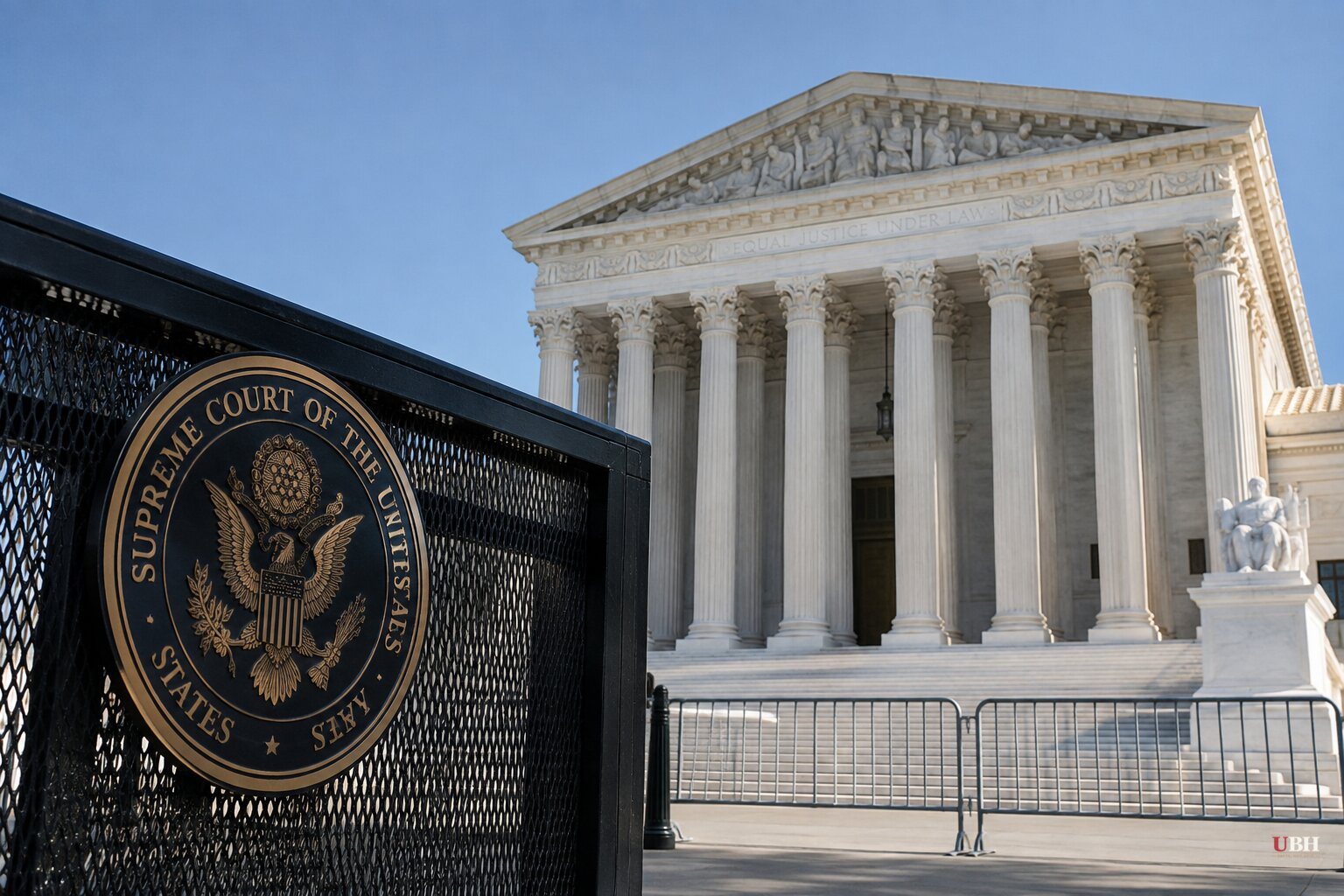
The Supreme Court announced Thursday, October 1, that it will hear a challenge to the Trump administration's mandatory detention policy, setting up a ruling that could decide the fate of tens of thousands of immigrants held in custody without a chance to argue for release.
The case, Rhoney v. Barbosa da Cunha, centers on Ricardo Aparecido Barbosa da Cunha, a Brazilian national who entered the U.S. in the mid-2000s. According to NBC News, he was detained after a traffic stop in Norwood, Massachusetts, in September 2025. A federal district judge ordered his release, and the New York-based 2nd U.S. Circuit Court of Appeals upheld that decision.
The central question is whether immigrants accused of being in the country illegally must stay in ICE custody for the duration of their removal case, or whether they're entitled to an individualized bond hearing before an immigration judge, which CBS News notes was standard practice under previous administrations.
The justices declined to take up the bigger constitutional question of whether the policy violates Fifth Amendment due process protections, according to The Hill. For now, the court will only decide whether the policy complies with federal immigration law, specifically the Illegal Immigration Reform and Immigrant Responsibility Act.
Lower courts are deeply split. CBS News reports two appeals courts, the Fifth and Eighth Circuits, have sided with the administration, while nine others have ruled the government must provide bond hearings. The 4th Circuit, in its most recent ruling, called the wave of litigation a "tsunami," noting that courts have rejected the government's position in more than 500 rulings across over 20,000 individual cases, according to The Hill's reporting on that opinion.
Detention levels have surged since the policy tightened last year. The Hill reports more than 65,000 people are currently held in immigration facilities nationwide. CBS News reports ICE detained more than 46,000 people in July 2026 alone, up from 43,000 in June.
Immigrant advocates cited by The Hill say roughly 70% of those detained have no criminal convictions, and many are legal immigrants with pending petitions stuck in administrative backlogs.
On the other side, Solicitor General D. John Sauer argued in court filings that the current patchwork is "disrupting the orderly administration of immigration law" and burying district courts and U.S. Attorney's Offices under habeas litigation. Chad Mizelle, a former DOJ official, warned on Fox News that letting detainees get bond hearings after months in custody would incentivize delay tactics and raise the risk that criminal migrants simply disappear before their case is resolved. The court will have to weigh operational concerns against the due process complaints headed its way in future cases.
Fox News notes that a separate version of this fight nearly died in August when New York Gov. Kathy Hochul pardoned a criminal alien who had been held for nearly three years, which would have made that case moot. Sauer acknowledged in September that case was effectively dead but said he'd find another vehicle to get the bond-hearing question before the justices. Rhoney v. Barbosa da Cunha is that new vehicle.
The case lands before a court Trump has publicly complained about. In a TIME interview published Thursday and reported by Newsweek, Trump said he regrets appointing Justices Neil Gorsuch, Brett Kavanaugh and Amy Coney Barrett, saying they've "voted against me too often" on cases involving tariffs, birthright citizenship and the Federal Reserve's independence. Trump contrasted them with the court's three Democratic appointees, saying "there's something I admire" about how consistently they vote as a bloc, even though he said he doesn't like it. Trump's appointees have ruled against him on unrelated matters before.
Oral arguments are expected in early 2027, with a ruling likely by the end of the term in June 2027, according to NBC News. The court's new term begins Monday, October 5, 2026. Until then, the circuit split stands, and detention numbers keep climbing.
Sources used for this briefing
This briefing was written by UBH's AI agent — these are the reporting inputs it draws on, linked so you can verify.


