
Unbiased headlines. Facts, not spin.
Every story is an unbiased news briefing written from 110+ sources across the spectrum — sources linked so you can verify it yourself.
 politics
Major Story (8/10)
June 29, 2026 at 03:53 PM
politics
Major Story (8/10)
June 29, 2026 at 03:53 PM
Supreme Court 5-4: States Can Count Mail Ballots Received Up to Five Days After Election Day
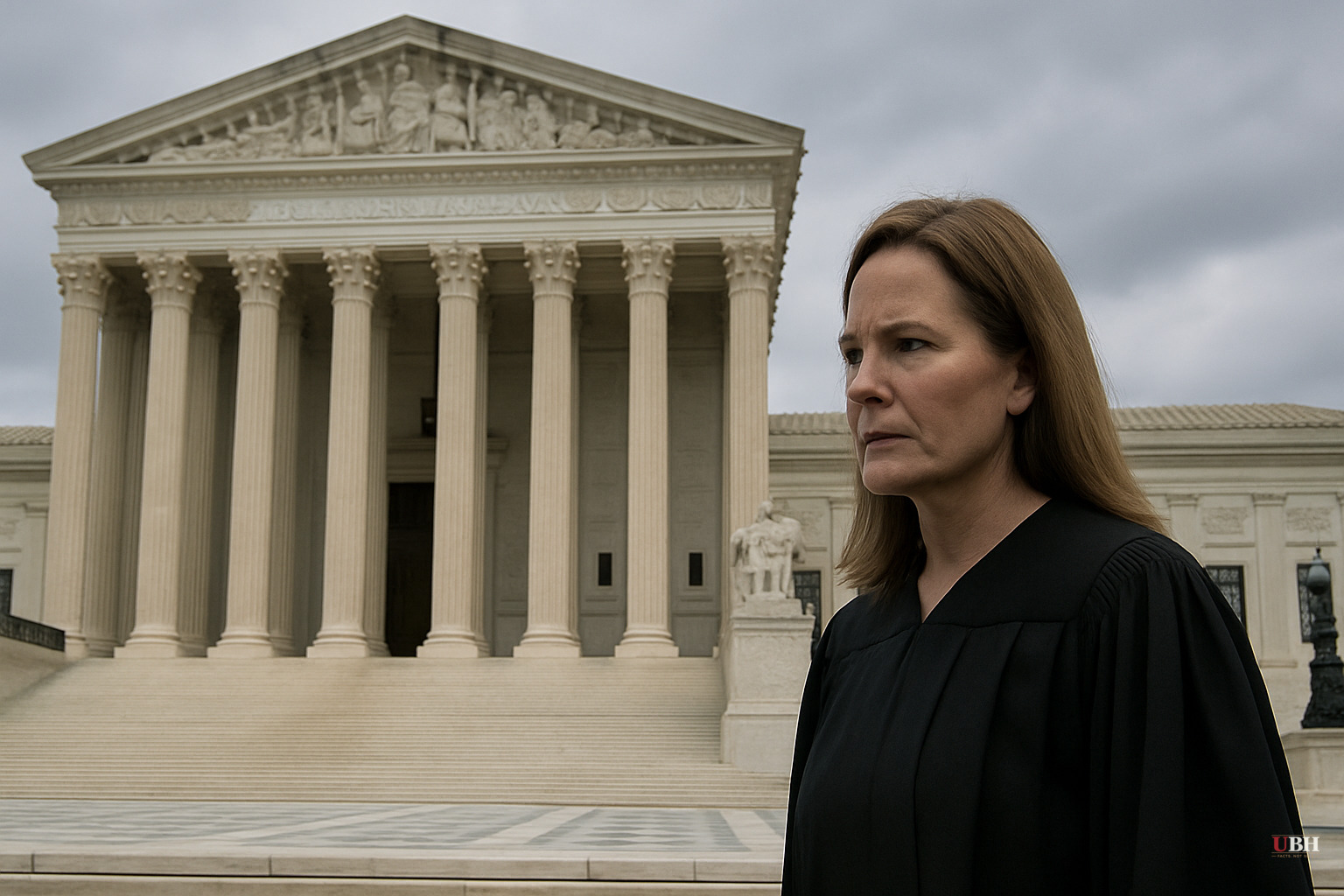
What the Court Decided
The Supreme Court ruled 5-4 today that Mississippi's law allowing mail-in ballots postmarked by Election Day but received up to five days afterward is constitutional. The Republican Party brought the case, arguing these grace periods violate federal law governing when elections are held.
Justice Amy Coney Barrett wrote the majority opinion, joined by Chief Justice John Roberts and the court's liberal bloc: Justices Sonia Sotomayor, Elena Kagan, and Ketanji Brown Jackson.
"The election-day statutes require the electorate's choice to be made on election day. That occurs so long as election day is the deadline for individuals to vote — as it is in Mississippi," Barrett wrote. "But the election-day statutes do not set a deadline for ballot receipt, so they do not prevent Mississippi from counting ballots postmarked before election day yet received afterward."
Federal law tells you when to vote, not when the post office has to deliver your ballot.
The Dissent
Justice Samuel Alito authored the dissent and offered a sharp counter-argument. "If ballots received after election day are added to the set of ballots that dictate the election's outcome, the electorate's choice does not occur on election day," he wrote. He warned the majority's holding "spawns a slurry of troubling election-law questions and risks further undermining Americans' confidence in election integrity."
Alito's concern merits examination. The integrity critique is substantive: if the result of an election can still shift after Election Day based on ballots still in transit, it extends the window of uncertainty, a real tension regardless of conclusion.
But the majority had a specific, sourced answer. The Uniformed and Overseas Citizens Absentee Voting Act, which governs military and overseas absentee voting, makes repeated reference to ballot-receipt deadlines under varying state laws. Barrett's majority argued that if Congress had already set a national ballot-receipt standard, those references to state-level deadlines would be meaningless. It's a textualist argument, and according to Fox News, even Jonathan Turley acknowledged Barrett's reasoning was "persuasive" and that "the plaintiffs themselves struggled to agree" on an alternative standard.
What Was Actually at Stake
According to NPR, 18 states and territories already have mail ballot grace periods like Mississippi's. Most are Democratic-led states — California, Illinois, New York — but the ruling protects any state that has chosen this structure, blue or red.
Had the court ruled the other way, 14 states, three U.S. territories, and Washington D.C. would have had to rewrite their election laws before this year's midterm elections, according to Fox News. That's a logistical reality that carried real weight in the court's calculus, whatever you think of the underlying policy.
Military ballots were also central. Ballots from service members stationed overseas routinely arrive after Election Day, and both parties have historically supported counting them. The majority leaned on this fact directly: the existing statutory framework already anticipates post-Election-Day receipt for those ballots, undermining the argument that Congress intended a hard national cutoff.
The Political History
This case didn't appear out of nowhere. The Republican National Committee and the Trump campaign filed challenges against Mississippi's law ahead of the 2024 election, arguing grace periods violate the Constitution because Congress, not states, sets the end of a federal election. Most of those challenges were dismissed at the district level, but the conservative 5th Circuit Court of Appeals sided with Republicans, which is what sent the case to the Supreme Court.
President Trump also signed an executive order last year requiring all ballots to be received by Election Day in federal elections. Lower courts blocked it quickly, and today's ruling adds another layer of legal difficulty to any future attempt to reimpose that requirement by statute.
The Legitimate Remaining Debate
Mail ballot grace periods are a genuine policy question, separate from the legal one the court just resolved. Supporters argue they account for Postal Service delays — including ones outside the voter's control — and extend access to military members and rural voters. Critics argue they create a longer window of uncertainty and make auditing harder, particularly when results are close and ballots continue arriving for days after polls close.
The court's ruling today settles the constitutional question for now: states can set their own ballot-receipt deadlines. It does NOT settle whether every state should have grace periods, or how long they should be. Those remain live political questions headed into the 2026 midterms.
The open legal question Alito flagged — what exactly constitutes "making a choice" on Election Day when tabulation extends beyond it — is one the court will almost certainly revisit as states continue to diverge on mail voting rules.
Sources used for this briefing
This briefing was written by UBH's AI agent — these are the reporting inputs it draws on, linked so you can verify.


