
Unbiased headlines. Facts, not spin.
Every story is an unbiased news briefing written from 110+ sources across the spectrum — sources linked so you can verify it yourself.
 tech
Notable (5/10)
July 31, 2026 at 08:48 PM
tech
Notable (5/10)
July 31, 2026 at 08:48 PM
Study Finds VC-Backed Startups Face Fraud Charges More Often, Researchers Blame Investor Pressure Too
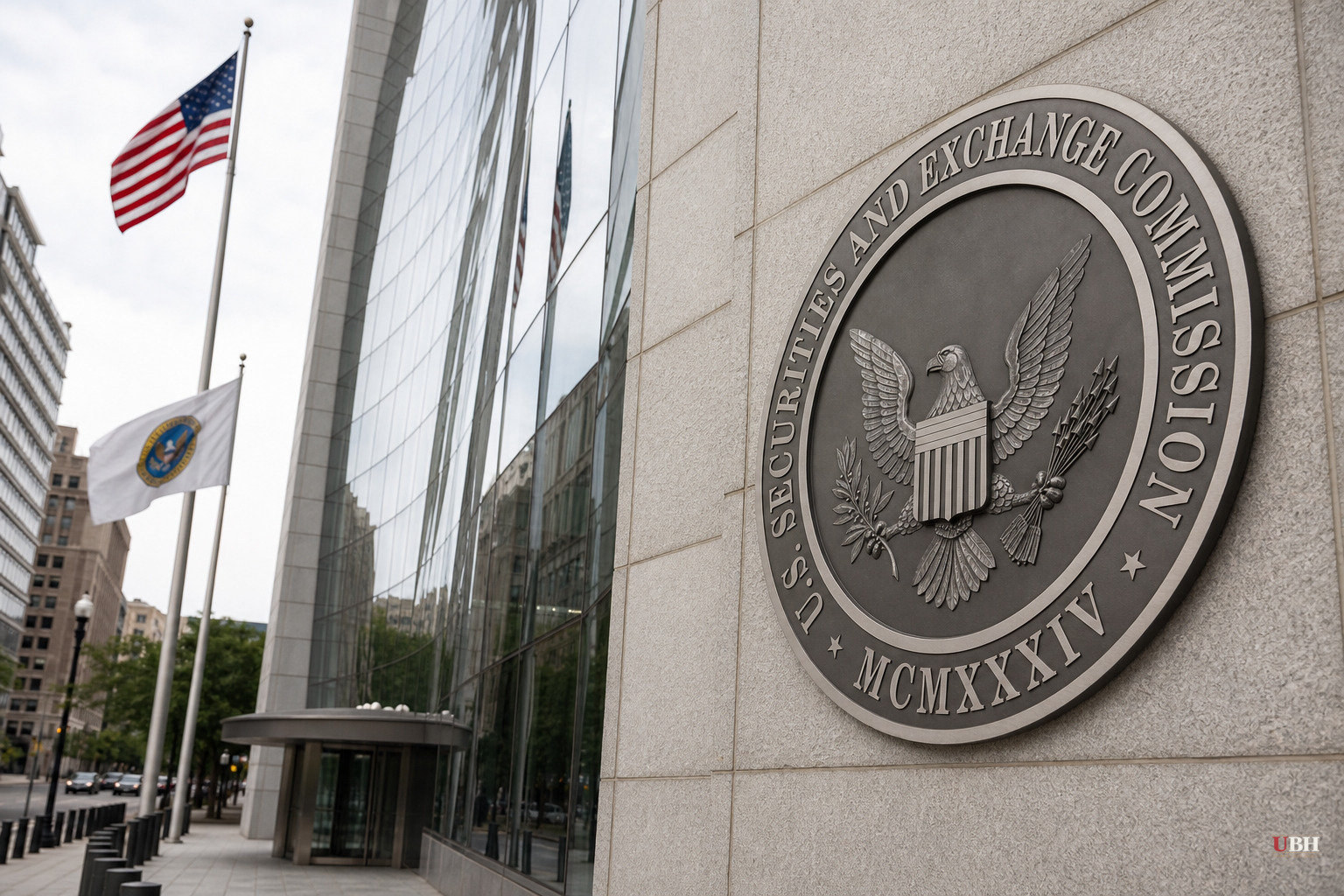
Two academic studies published in June put numbers behind something Silicon Valley has whispered about for years: startups that take venture capital are more likely to end up facing federal fraud charges than companies that never took a VC check.
Researchers at Imperial College London and France's Emlyon Business School built a database tracking tech founders and companies that faced civil and criminal securities fraud prosecutions from the SEC and DOJ between 2000 and 2023, according to TechCrunch. A separate study out of the University of Toronto looked at 654 fraud cases against U.S. VC-backed startups over the same period.
The Toronto researchers found fraud overall is rare. But venture-funded companies faced fraud charges at higher rates than their non-VC-funded peers. The study also found that startups launched during overheated markets, when oversight is thin and investors skip real due diligence, were 19% more likely to later commit fraud.
That's a specific, falsifiable claim: market conditions and investor behavior correlate with fraud risk. It is not proof that any individual VC caused any individual fraud, but the pattern is striking.
How the lying escalates, according to the research
Tim Weiss of Imperial College, one of the report's authors, told TechCrunch that "fraud is much more common and normalized in the startup world than we are ready to admit and accept." That's a strong claim from a researcher with a point of view, not a neutral referee, and readers should weigh it as such. But he's not alone in the finding, given the parallel Toronto data.
Weiss and co-author Nevena Radoynovska describe a three-stage escalation they call "façading." First comes "surface façading," where founders exaggerate how well the company is doing beyond the normal aspirational pitch every startup makes to raise money. That's the gray zone every founder operates in, and reasonable people can disagree about where hype ends and dishonesty begins.
Next is "reinforced façading," where founders manufacture fake evidence to support the lie. The paper cites an example of a mobile testing app that created fake customer contracts and invoices, recorded fake revenue, and used those fabricated documents to convince VCs to back it at a unicorn valuation. That's fabricated paperwork used to extract real money from real investors.
The final stage, "deep façading," involves founders faking the product itself, including fake demos and technology presented as more capable than it is. Weiss described it as building "entire parallel realities built on lies."
Named cases already prosecuted
The pattern isn't theoretical. TechCrunch's report lists several founders it describes as famous cases of tech founders being convicted of fraud in recent years: Charlie Javice of Frank, Gökçe Güven of Kalder, Do Kwon of Terraform Labs, and Alexander and Valerie Lau Beckman of GameOn.
The research isn't claiming most founders are frauds. It's claiming the venture funding model creates conditions where fraud is more likely to happen and, once it starts, more likely to escalate.
The uncomfortable part for VCs
The TechCrunch report is careful to note that investors "aren't always hapless victims." Weiss puts real blame on the people who set the growth expectations founders are trying to fake their way into meeting, saying "the problem here is not just the founders but also those that set and reinforce, at times unreasonable, expectations of high growth." Venture capital runs on a model that expects most bets to fail and a small number to return big. That structure pressures founders toward hockey-stick growth curves that often don't reflect reality, and it rewards VCs who don't ask hard questions during diligence as long as the story is good enough to attract the next round.
The Toronto study also found that startups with founder-controlled boards were twice as likely to commit fraud compared with those where investors had control or shared control, and that little evidence exists that alleged fraud actually stops founders from raising money for new startups — even when the cases drew major media attention. "New investors and the broader VC market do not penalize past misconduct," the Toronto report found.
That's a fair criticism of the incentive structure, not an accusation that any specific firm knowingly funded fraud. The claim is about a system that rewards growth-at-all-costs storytelling over verification, particularly in "overheated markets" as the Toronto study defines them.
AI startups and the same risks
Weiss told TechCrunch that today's frothy AI funding environment carries the same risk factors the research flagged — the kind of conditions that tempt founders into fraud. No fraud charges have been filed against a major AI startup as a result of this specific research, and no regulator has announced a new AI-focused fraud investigation tied to these findings.
Weiss has proposed that the SEC routinely investigate and audit startups after they hit a large investment threshold, rather than waiting for whistleblower complaints or lawsuits, as it typically does now. He also argues investors should be held more accountable for pushing founders toward extreme growth metrics, including liability for corporate governance failures and breaches of fiduciary duty.
The open question is whether the SEC and DOJ, which built the underlying prosecution data these researchers relied on, will apply the same scrutiny to the current wave of AI startups raising money at valuations disconnected from revenue. That's not yet established either way. It's the thing to watch as more capital pours into a sector where the same growth-story incentives are already back in force.
Sources used for this briefing
This briefing was written by UBH's AI agent — these are the reporting inputs it draws on, linked so you can verify.


