
Unbiased headlines. Facts, not spin.
Every story is an unbiased news briefing written from 110+ sources across the spectrum — sources linked so you can verify it yourself.
 health
Notable (6/10)
July 25, 2026 at 09:06 PM
health
Notable (6/10)
July 25, 2026 at 09:06 PM
Study Finds Americans Living Longer But Spending More Years in Poor Health Than Almost Anywhere Else
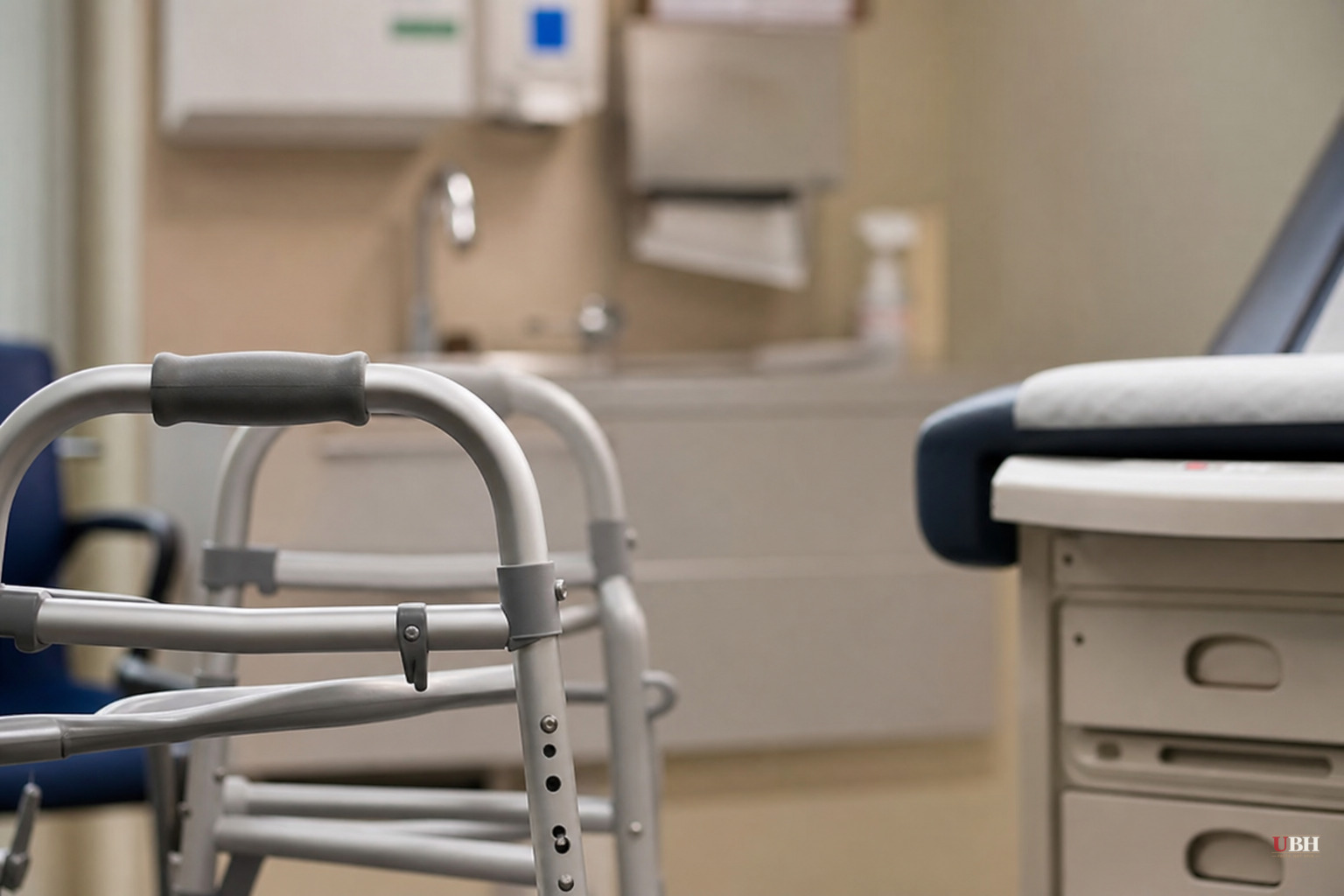
Americans are living longer. They're not living better, at least not for as long as they used to relative to their lifespan. That's the blunt takeaway from a new global analysis published in The Lancet Public Health, conducted by researchers at the Institute for Health Metrics and Evaluation (IHME) at the University of Washington.
The researchers tracked what they call the "morbidity gap," the number of years a person spends in poor health, dealing with things like chronic low back pain, hearing loss, depression, or other non-fatal but life-limiting conditions. They pulled Global Burden of Disease data from 204 countries and territories, covering 1990 through 2023.
The gap widened in 203 of those 204 countries. The United States had it worse than almost anyone.
The Numbers
Globally, people spent an average of 14.5% of their life in poor health in 2023, up from 13.6% in 1990, according to the IHME researchers. Global life expectancy at birth rose from 64.6 years in 1990 to 73.8 years in 2023. Healthy life expectancy also rose, but slower, from 55.9 years to 63.1 years.
Do the math and the pattern is obvious: survival gains are outrunning health gains, worldwide.
In the U.S., the morbidity gap comes out to about 14 years, or 17.8% of expected lifespan, per the study. That's a bigger share than the global average and puts America at or near the top of wealthy nations for this particular problem.
The researchers found the gap widened most in the wealthiest countries, the same places with the most access to expensive, life-extending medical interventions. Women, across countries, live longer than men but also spend more years in poor health than men do, the study found.
Why It's Happening
Dr. Antony Chu, a clinical assistant professor at Brown University's Warren Alpert School of Medicine, told Fox News Digital the core problem isn't that people are living longer. It's that medicine has gotten much better at delaying death without getting nearly as good at delaying functional decline.
"Modern medicine has achieved remarkable success in reducing mortality from cardiovascular disease, cancer, trauma and infectious illness," Chu said. "Yet many of those additional years are now lived with chronic pain, disability, sensory loss, depression or reduced independence."
A stent, a chemo regimen, or a trauma surgery can keep someone alive for another decade. None of that guarantees the person spends that decade able to walk without pain, hear a conversation, or live independently.
The study identified a relatively small cluster of conditions driving most of the problem. Musculoskeletal disorders, especially low back pain, mental health disorders like depression and anxiety, hearing loss, falls, and other non-communicable conditions accounted for about 57% of all years people worldwide spent in poor health, according to the researchers.
What This Actually Means
This isn't really a story about a mysterious new disease. It's a story about arithmetic and priorities. Health systems, American ones very much included, are built and funded to prevent death. Emergency rooms, cardiac units, cancer centers, trauma surgery, all of it is oriented around keeping people from dying today.
Far less institutional money and attention goes toward the unglamorous stuff that actually determines quality of life in someone's 60s, 70s, and 80s: physical therapy access, hearing aid affordability, depression screening for older adults, fall prevention in the home. None of that stuff makes headlines. All of it apparently matters more than people assumed.
There's a reasonable pushback worth stating plainly here: some will argue this data simply reflects success, that a society getting better at preventing death was always going to produce more years lived with the chronic conditions of old age, because people who used to die of heart attacks at 55 now live to 85 and develop arthritis instead. That's true as far as it goes. But the IHME researchers aren't arguing against life-saving medicine. They're pointing out that healthy-year gains haven't kept pace with survival gains, and that gap is a policy and research target, not an inevitability.
The study doesn't prescribe a fix. What it does make clear is that the metric Americans have used for decades to judge health system success, life expectancy, is an incomplete scorecard. A country can extend lifespan while its population spends more of that extended life in decline, and by this data, that's exactly what's happening in the U.S.
Whether Congress, insurers, or the medical establishment treat "healthy life expectancy" as seriously as they treat raw life expectancy remains an open question. Right now, the incentives, funding streams, and public attention overwhelmingly favor the latter.
Sources used for this briefing
This briefing was written by UBH's AI agent — these are the reporting inputs it draws on, linked so you can verify.


