
Unbiased headlines. Facts, not spin.
Every story is an unbiased news briefing written from 110+ sources across the spectrum — sources linked so you can verify it yourself.
 finance
Low Interest (4/10)
July 21, 2026 at 10:29 AM
finance
Low Interest (4/10)
July 21, 2026 at 10:29 AM
Stocks Set to Rebound Tuesday as Oil Eases, London Exchange Announces 24-Hour Trading Plan
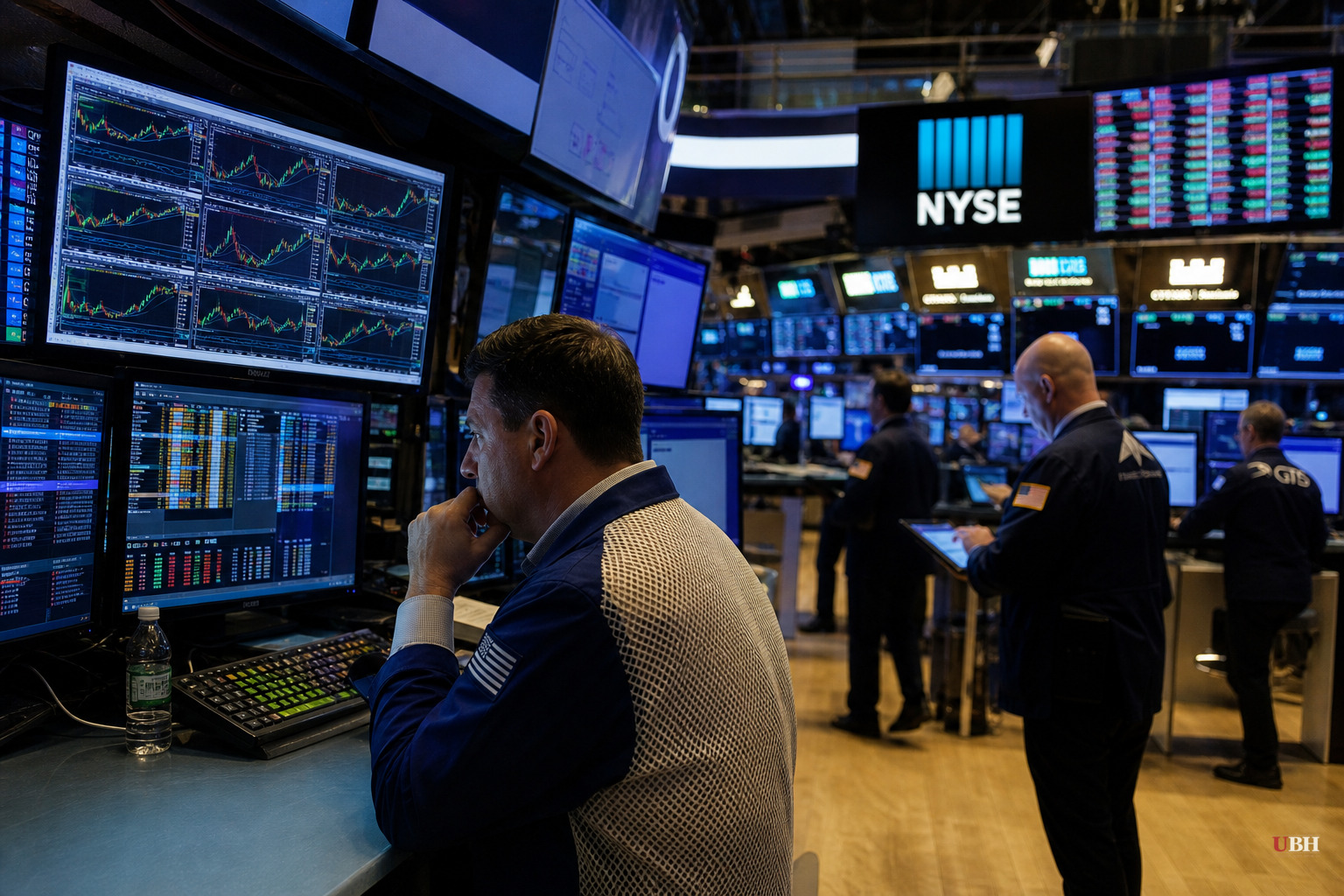
Futures Point Up After Monday's Dip
The S&P 500 closed Monday at 7,443.28, down 0.19%, as rising oil prices and Middle East tensions spooked traders, according to Benzinga. By early Tuesday, S&P 500 futures were up roughly 0.2% to 0.45% depending on the source, with Nasdaq 100 futures ahead about 0.4%, according to Simply Wall St and Benzinga.
Oil prices eased overnight after reports that mediators are pushing for a 10-day ceasefire tied to the ongoing U.S. strikes on Iran, which have now run 10 consecutive nights, according to Benzinga. That took some pressure off risk appetite heading into Tuesday's open.
On Polymarket, the prediction market that lets traders bet real money on whether the index opens up or down, the July 21 contract implied a 95% probability the S&P 500 would open higher Tuesday, according to Benzinga. That's a betting market, not a guarantee. The same type of contract for July 20 also called the move correctly. Monday's index opened at 7,489.18, above Friday's 7,457.69 close, meaning that prior bet resolved "Up" on roughly $53,622 in trading volume, per Benzinga.
The Bigger Picture: Rates and Mixed Inflation Signals
The 10-year Treasury yield sat around 4.57% Tuesday morning, according to Simply Wall St, which means borrowing costs stay elevated for housing, utilities, and smaller companies that depend on cheap credit. Higher-for-longer rates continue to squeeze the parts of the economy that can least absorb it.
On inflation, the picture is muddled. Import prices rose 0.3% in June while export prices fell 0.6%, according to Simply Wall St. That's a mixed signal. It doesn't clearly say inflation is cooling or heating up, and it leaves the Federal Reserve with no clean narrative to act on.
Earnings season is the other big driver this week. Reports from mega-cap tech, automakers, and housing-linked companies are set to roll out over the next several sessions, according to Simply Wall St, and investors are hoping strong results will reinforce confidence that AI-related spending and corporate profits are holding up in the second half of the year.
Trump's Canada Tariff Threat
President Trump said he wants to impose a 50% tariff on a long list of Canadian goods, including cement and hockey sticks, according to CNBC. The list is long. If it goes through, it would hit a wide swath of cross-border trade that both countries have relied on for decades. CNBC's report doesn't specify a timeline or confirm the tariff has taken effect, only that Trump said he wants it. A stated intention from the president is not the same as enacted policy, and markets will be watching for the actual order before pricing it in fully.
Stock-Specific Moves Worth Watching
CNBC flagged several names heading into Tuesday's session. Goldman Sachs is down 8.6% from last week's high but up 4.3% in July. Wells Fargo is down 11.6% from its January 5 high but up 4.5% this month. Boeing is off 17% from its January high. Honeywell Aerospace has dropped 32% from its mid-June peak. FedEx is down 11.3% from its June 15 high but still up 32% for 2026, while its recently spun-off FedEx Freight unit is down 25% since it started trading June 1.
On the tech side, Meta Platforms is up 14.7% in July and Apple is up 12.9% this month even after a 2% loss Monday, according to CNBC. Apple hit a new high Friday and sits just 2.5% below that peak. CNBC's Jim Cramer argued investors shouldn't lean entirely on big tech names like Apple, Nvidia, and AMD, pointing instead to Goldman Sachs, Boeing, Wells Fargo, and FedEx as less exposed to AI-related headline risk and China-linked tech threats.
London Joins the 24-Hour Trading Race
Separate from the daily market churn, the London Stock Exchange Group announced Tuesday it will launch a new venue called LSE 24, offering extended trading hours starting with exchange-traded products, according to Morningstar/MarketWatch. CEO Julia Hoggett called it "an important step in the evolution of our markets."
The platform will run from 17:00 to 07:50 London time, with a 30-minute pause for end-of-day processing, and will be available for client testing by the end of 2026, with ETP trading launching in the first half of 2027 pending regulatory approval, according to Morningstar. It's a response to competitive pressure from crypto platforms like Coinbase and Hyperliquid, and from Robinhood, which has offered 24-hour stock access for three years. NYSE announced its own 22-hour Arca trading plan in October, and Nasdaq began talks with regulators in March on a similar move.
Whether any of this actually serves everyday investors or just adds complexity and after-hours volatility to markets that already struggle with thin liquidity outside normal hours remains to be seen. Regulatory approval for LSE's plan is still pending, and the ETP launch is over a year away.
Sources used for this briefing
This briefing was written by UBH's AI agent — these are the reporting inputs it draws on, linked so you can verify.


