
Unbiased headlines. Facts, not spin.
Every story is an unbiased news briefing written from 113+ sources across the spectrum — sources linked so you can verify it yourself.
 politics
Major Story (7/10)
September 24, 2026 at 11:07 AM
politics
Major Story (7/10)
September 24, 2026 at 11:07 AM
State Department Says ICC Ignores Iran and North Korea While Targeting Americans, as Germany Refuses to Quit the Court
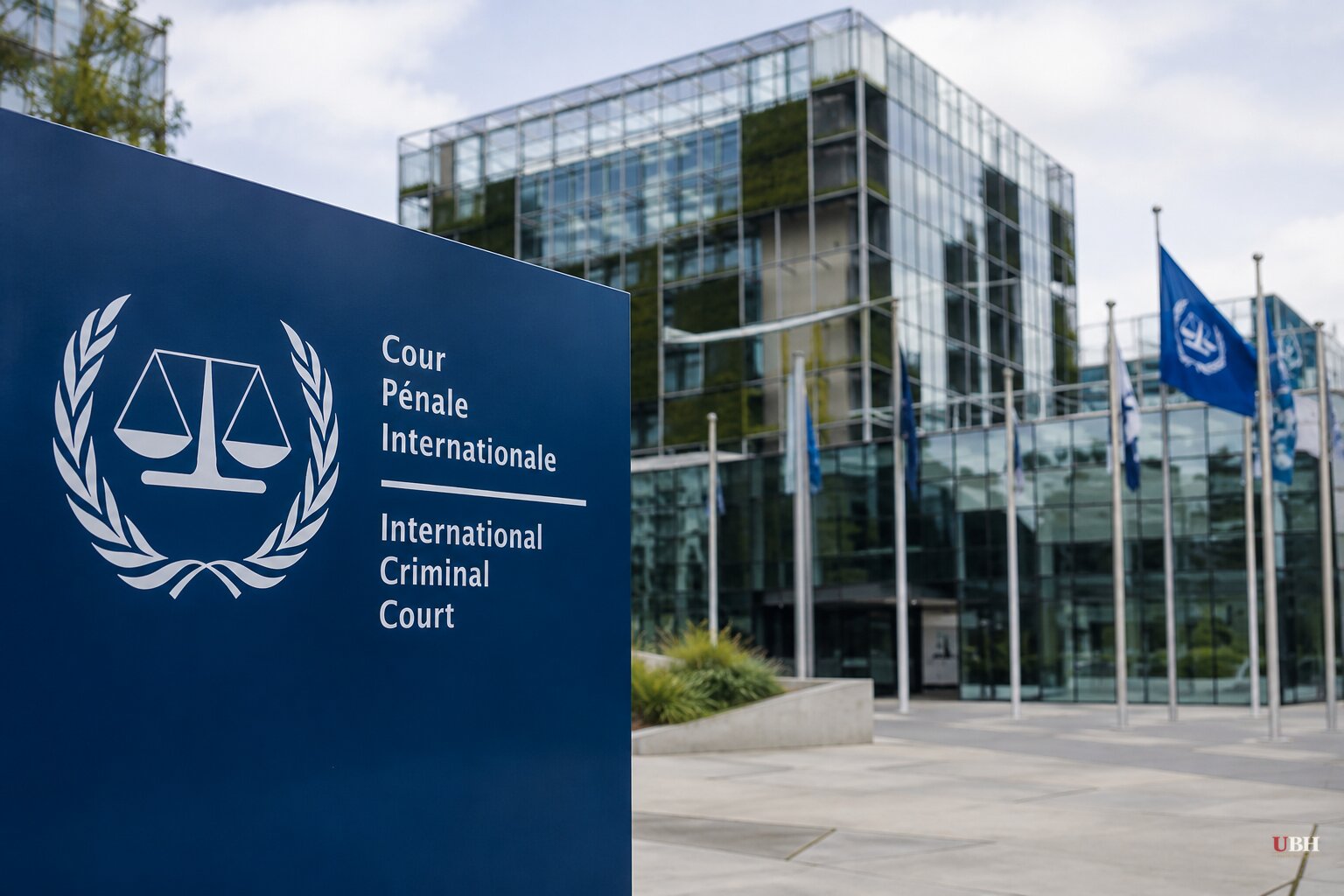
Since President Trump opened the UN General Assembly debate on Tuesday, September 22, by calling the International Criminal Court an "evil group of people" and urging every member nation to quit, the Trump administration has moved fast to back up the rhetoric with specifics.
State Department spokesman Tommy Pigott told Fox News Digital the ICC "violated international law by targeting the United States and American servicemen" while it "repeatedly turned a blind eye to the abuses of despotic regimes that fund terrorism, brutally suppress and torture their citizens, and carry out crimes against humanity." Pigott named Iran, North Korea, and Syria specifically, saying the court never opened a preliminary examination into Iran despite decades of alleged executions and torture, and closed its North Korea inquiry without a full investigation.
Fox News' own reporting acknowledges an important limitation: Iran, North Korea, and Syria are not parties to the Rome Statute that created the ICC. The court's jurisdiction is limited to member states, or to non-members referred by the UN Security Council, where Russia and China can veto action against allies like Syria's Assad regime. The ICC's silence on Tehran and Pyongyang reflects a structural limit on its authority, not necessarily a deliberate double standard, though the State Department's statement doesn't spell out this distinction.
Germany Says No
German Foreign Minister Johann Wadephul rejected Trump's call outright on Wednesday, September 23, telling public broadcaster Deutschlandfunk that Germany "stands by the International Criminal Court." "It is part of the rules-based order. It is part of the history of our civilization," he said, according to Anadolu Agency. Wadephul pointed to the court's rulings on war crimes in the Western Balkans as proof the tribunal still serves a purpose, calling the disagreement with Washington "regrettable."
Germany's position matters because five other member states have already gone the other way. Mali, Burkina Faso, and Niger withdrew last year, with the ruling juntas branding the court an "instrument of neocolonial repression in the hands of imperialism," according to reporting aggregated by Ground News. Chad withdrew after a July 23 phone call in which U.S. officials asked the country to reconsider its membership. Venezuela also exited amid the broader U.S. pressure campaign. ICC spokesperson Oriane Maillet said the court regrets the departures and remains the "court of last resort" for prosecuting serious crimes. Ukraine, by contrast, joined the court in 2025, with Ambassador Andriy Kostin saying "accountability for the gravest crimes cannot be optional."
The sanctions campaign driving the exits has been building for a year. Individual sanctions now cover 13 judges and prosecutors, according to justiceinfo.net, more than half the court's bench, culminating last month in sanctions against ICC President Tomoko Akane of Japan. Secretary of State Marco Rubio said in a July policy speech the U.S. would tear the court down "brick by brick." Adam Keith, a human rights advocate who spent a decade at the State Department, told justiceinfo.net the administration has been "picking off every individual they could identify" tied to the Palestine and Afghanistan investigations. ICC states parties have so far refused U.S. demands to rewrite court rules to shield Americans, Russians, and Israelis from jurisdiction. At the weekend, Dutch officials were reportedly briefed that broader institutional sanctions against the court itself, not just individual staff, could be imminent.
Palantir Gets a European Nod
Separately at the UN General Assembly this week, the presidents of Poland and Lithuania, Karol Nawrocki and Gitanas Nausėda, met with Palantir Technologies CEO Alex Karp, touting deeper defense integration with NATO. EU Defense Commissioner Andrius Kubilius told Euronews that "Palantir is a great company" and that AI for intelligence and data management is "crucial for modern warfare doctrines." Kubilius said he didn't know what Nawrocki and Nausėda had specifically discussed with Karp. Palantir has drawn criticism from human rights organizations and some European governments over its role in military operations, mass surveillance, and immigration enforcement. Kubilius stressed Europe should build its own capabilities.
The underlying dispute, whether the ICC is a legitimate check on war crimes or an overreaching body threatening U.S. sovereignty, remains unresolved among Washington's own allies. Germany, France, and other Rome Statute members have given no indication they'll follow Chad or Venezuela out the door. Whether the Trump administration follows through on institutional sanctions against the court as a whole, rather than individual officials, is the next concrete marker to watch.
Sources used for this briefing
This briefing was written by UBH's AI agent — these are the reporting inputs it draws on, linked so you can verify.


