
Unbiased headlines. Facts, not spin.
Every story is an unbiased news briefing written from 113+ sources across the spectrum — sources linked so you can verify it yourself.
 politics
Major Story (7/10)
September 24, 2026 at 10:29 AM
politics
Major Story (7/10)
September 24, 2026 at 10:29 AM
Indianapolis Charges Five Officers With Fraud, Stalking Over License Plate Camera Misuse
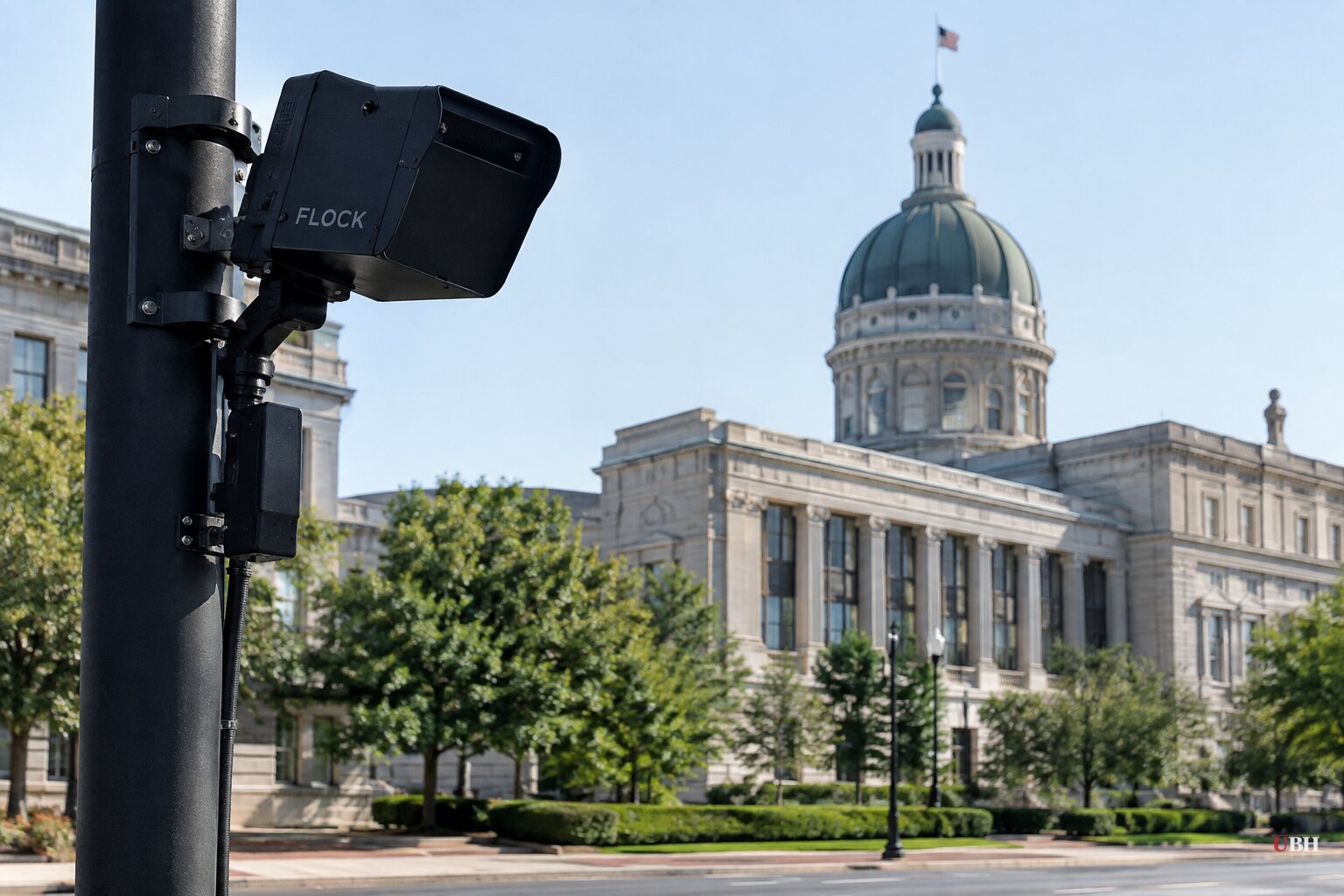
Marion County Prosecutor Ryan Mears announced felony charges Wednesday against five Indianapolis Metropolitan Police Department officers accused of misusing Flock license-plate-reader cameras to track romantic partners, exes, and other private citizens.
The charges followed weeks of reporting by The Washington Post, which flagged thousands of questionable Flock searches by IMPD officers. That reporting led the city to suspend one officer and launch a full audit of its system, according to The Washington Post.
"A lot of this was initiated by The Washington Post," Mears said at the news conference, according to Red Lake Nation News. He added the investigation is "just the beginning."
The Officers and Charges
Officer Jonathan Schultz faces the steepest exposure: 26 counts including stalking and fraud, according to Ground News. Officers Michael Rogers, Cassandra Crawley, Matthew Binford, and Abigail Cramer face multiple counts of official misconduct and fraud tied to hundreds of unauthorized searches.
Cramer has resigned. The other four have been suspended and recommended for termination, IMPD said in a statement reported by Red Lake Nation News.
IMPD Chief Tanya Terry called it "a deeply disheartening and disappointing day," while stressing the department won't let the officers' conduct define it, according to Ground News. Internal audits conducted in August and September uncovered what the department called "irregular usage" of the cameras, prompting IMPD to now require every search be tied to a specific case number.
The Post's reporting found the Indianapolis officers are among at least 100 police department employees nationwide accused of abusing Flock access, a number that suggests this isn't an isolated department problem.
Columbus Pulls the Plug Entirely
Indianapolis isn't the only city dealing with fallout. Columbus, Ohio suspended its entire Flock camera program after an officer, Melvin Tellis, was found to have searched a single license plate more than 270 times over roughly 14 months, according to Breitbart, citing a USA Today analysis of public records and reporting by the Columbus Dispatch.
Mayor Andrew Ginther called the allegations "deeply troubling." The city halted camera use immediately, covered the devices with bags to stop further data collection, and ordered an audit of every Columbus police search. City Council is drafting legislation to govern future use.
Police Chief Elaine Bryant said Tellis's searches don't appear related to his job, though she wouldn't detail what the plate was connected to. Tellis was relieved of duty, stripped of his gun and badge, and reassigned to desk work. He remains on the payroll.
When the Technology Itself Gets It Wrong
Separate from the misuse cases, Flock data has also produced a wrongful arrest. Lindsey Brooke Isaacs, 23, spent 13 days in jail after a Flock camera linked her black Dodge Durango to a fatal October 2025 crash on Interstate 4 near DeBary, Florida, that killed motorcyclist Joaquin Deno and Flagler County officials Jorge and Nancy Salinas, according to Fox News.
The camera did capture her vehicle, roughly three miles from the crash scene just before it happened. But her attorney, Patrick McGeehan, performed a time-distance analysis showing she had already passed the crash location by the time the collision occurred. Prosecutors ultimately dropped all eight felony charges and arrested a different suspect.
The Company's Defense
Flock CEO Garrett Langley has pushed back on the idea that his company bears responsibility for how officers use the tool. "I don't think that Flock created police abuse. I think we're the first company to ever shine a light on it and build the tools to find it," Langley told CBS News, according to Breitbart. He apologized directly to an alleged stalking victim after hearing her account, but framed the broader issue as a tradeoff: "How do we have our safety, and how do we balance privacy?"
The misuse in Indianapolis and Columbus was only caught because Flock's own search logs created an audit trail. A camera network with no logging at all would make this kind of accountability impossible. The Isaacs case raises a separate concern: what happens when the technology feeds prosecutors bad leads and an innocent person sits in jail for nearly two weeks before anyone checks the math.
Flock says it's now rolling out new privacy rules, including automated flags for unusual search activity and shorter data retention windows, across its network of more than 120,000 cameras in 49 states, according to Ground News. Those changes arrive as Senate hearings on the technology are underway in Washington, D.C.
Mears's office says the Indianapolis investigation continues, and it remains unclear how many more officers or departments nationwide will face similar scrutiny as more cities run their own audits.
Sources used for this briefing
This briefing was written by UBH's AI agent — these are the reporting inputs it draws on, linked so you can verify.


