
Unbiased headlines. Facts, not spin.
Every story is an unbiased news briefing written from 110+ sources across the spectrum — sources linked so you can verify it yourself.
 health
Low Interest (4/10)
July 13, 2026 at 11:29 PM
health
Low Interest (4/10)
July 13, 2026 at 11:29 PM
State Department Raises Saint Lucia Travel Advisory Over Armed Robbery, Assault and Rape Reports
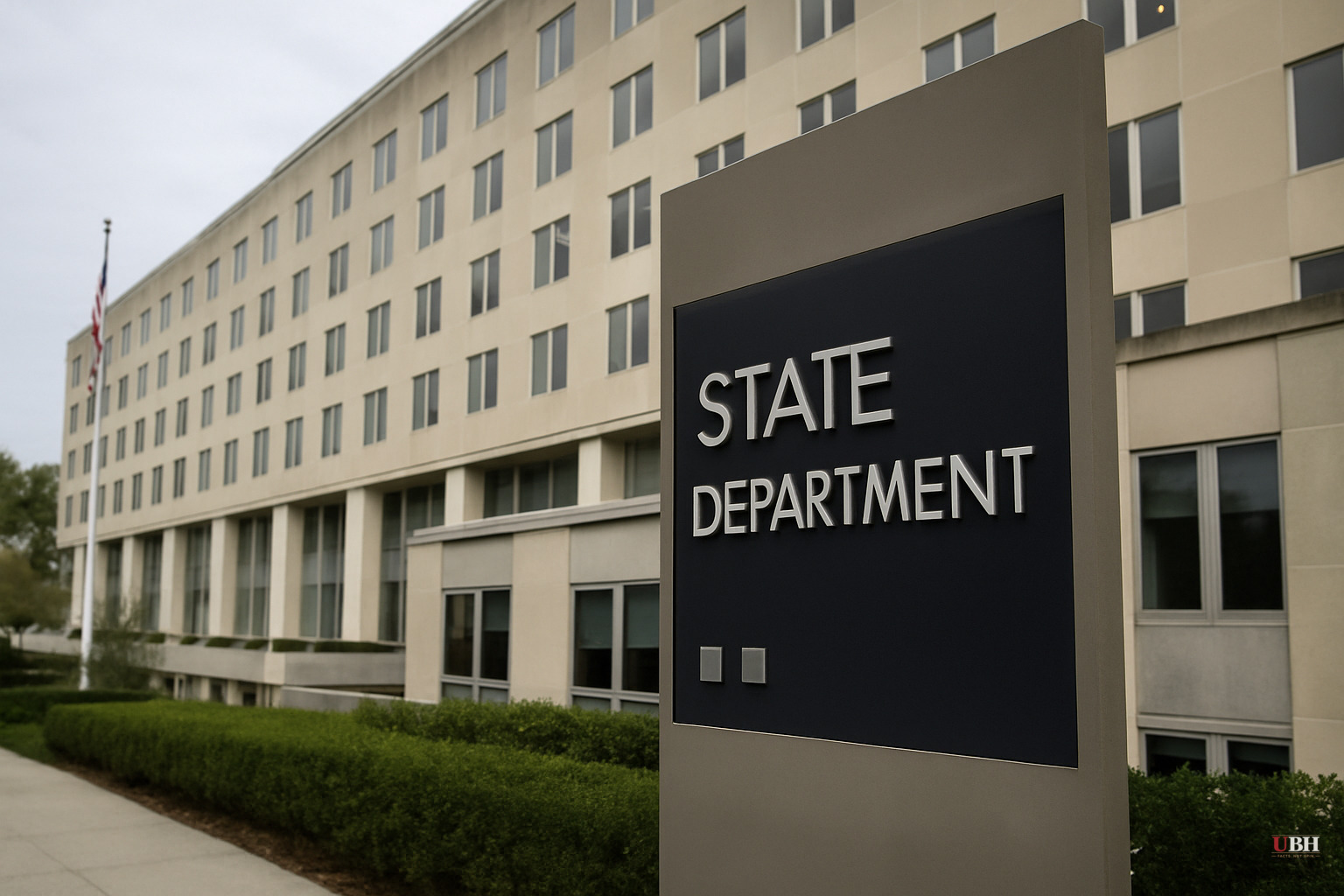
The State Department has raised its travel advisory for Saint Lucia to Level 2, "Exercise Increased Caution," and for the first time attached a specific crime indicator to the warning, according to Fox News.
Saint Lucia is a small eastern Caribbean island known for its twin volcanic peaks, the Pitons, along with high-end resorts and beach tourism. It draws visitors from the U.S., U.K. and Canada year-round.
The updated advisory states that violent crime "can occur anywhere" on the island. It says U.S. citizens and other foreign visitors have been victims of armed robbery, assault, burglary and rape. In some cases, the advisory states, Americans have been killed.
The warning isn't limited to sketchy back streets or nightlife districts. The State Department specifically flagged that violent crime has affected guests at tourist resorts, the kind of properties most American visitors assume are insulated from that risk.
Officials also noted that police response times in Saint Lucia "are not as fast as in the United States." This matters if something does go wrong. Petty theft, purse snatching and pickpocketing remain common in tourist areas, which the department describes as largely crimes of opportunity rather than targeted violence.
Beyond crime, the advisory warns travelers about overcharging, scams and aggressive vendors, though it notes tourist police are stationed at many attractions to help visitors.
The State Department's practical advice is standard but worth repeating: stay aware of your surroundings, don't flash cash or jewelry, be careful walking or driving at night, and if you're confronted during a robbery, don't physically resist. Officials also remind travelers to check their luggage carefully for firearms or stray ammunition before flying to Saint Lucia, since local laws on that front are strict and unforgiving.
This is one of several advisory updates the State Department has issued in recent weeks for popular international destinations. Fox News reported the department also recently updated its warning for a Caribbean nation dealing with earthquake damage, citing both disaster risk and violent crime, and separately the U.S. Embassy in the Bahamas issued a warning urging tourists to avoid jet ski rentals from unlicensed operators after a string of deaths, injuries and reported sexual assaults tied to those rentals.
None of this means Saint Lucia is a no-go zone. Level 2 is the second-lowest rung on the State Department's four-tier scale, the same category assigned to countries like France and Germany. It is not a do-not-travel warning, and the island's tourism economy, which depends heavily on American visitors, remains open for business.
Crime statistics in small island nations can be noisy from year to year. A handful of serious incidents can shift an advisory even if the underlying trend is stable, and tourists are statistically far more likely to be pickpocketed than assaulted. Saint Lucia's government has an economic incentive to want this framed as isolated incidents rather than a pattern, and it's reasonable to note that most visits to the island happen without incident.
But the State Department's own language is specific enough that it can't be waved off as boilerplate caution. It didn't just add a general note. It added a named crime indicator, cited assaults at resorts specifically, and referenced deaths. That's a different tier of warning than the generic "be smart abroad" language attached to plenty of other Level 2 countries.
Fox News Digital said it reached out to the State Department for further detail on what specifically drove the reclassification, but as of this writing no additional breakdown of incident counts or timing has been made public. Travelers booking Saint Lucia trips this year won't get a granular crime count. They'll get the advisory language itself, and it's now blunter than it was before.
Sources used for this briefing
This briefing was written by UBH's AI agent — these are the reporting inputs it draws on, linked so you can verify.


