
Unbiased headlines. Facts, not spin.
Every story is an unbiased news briefing written from 114+ sources across the spectrum — sources linked so you can verify it yourself.
 politics
Major Story (8/10)
August 24, 2026 at 09:46 PM
politics
Major Story (8/10)
August 24, 2026 at 09:46 PM
State Department Preparing to Revoke Up to 200,000 Business and Tourism Visas Tied to Asylum Claims
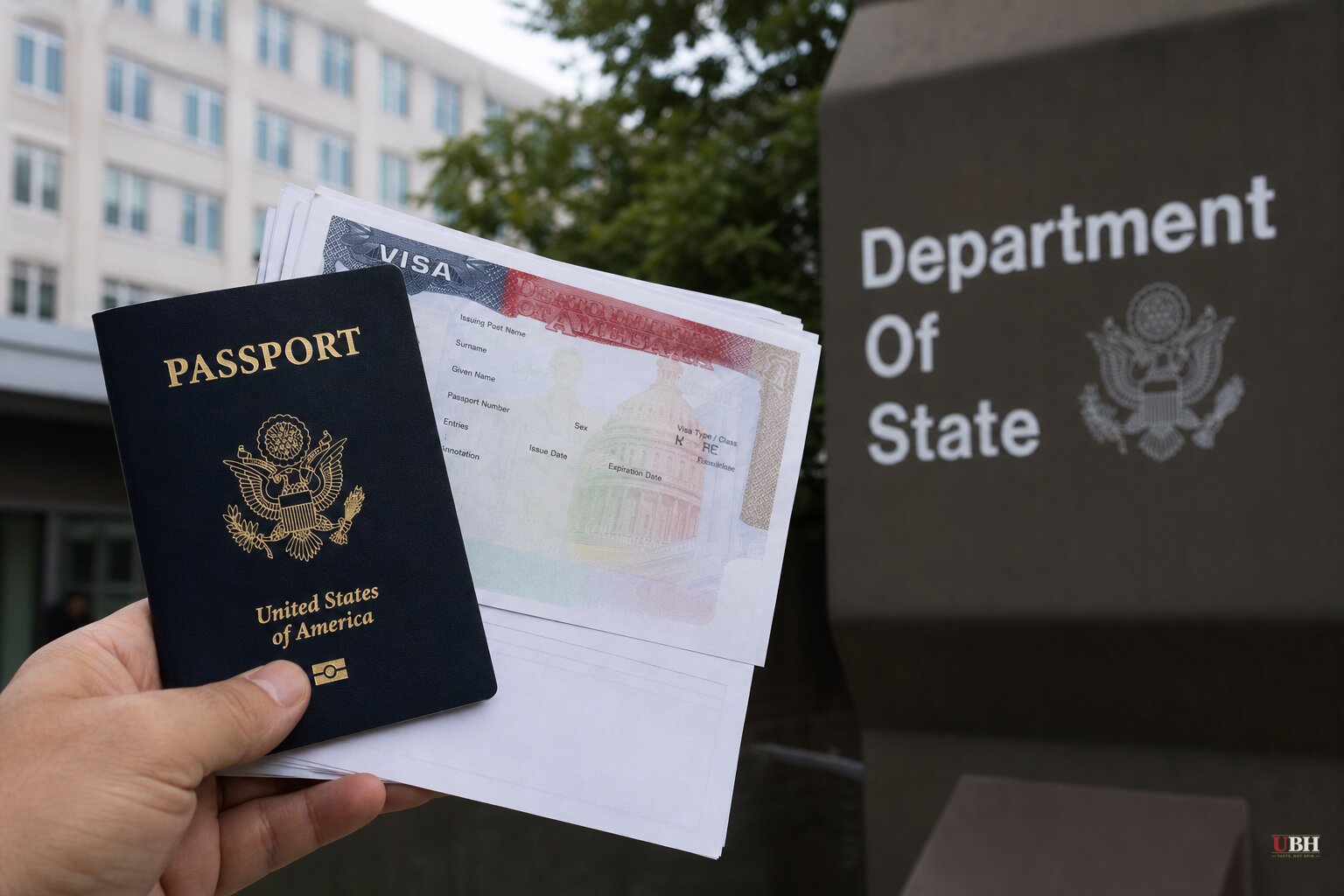
The State Department is preparing to revoke the business and tourism visas of up to 200,000 foreigners who applied for or are currently seeking asylum in the United States, according to State Department documents obtained by the Associated Press and two US officials cited in that reporting. This has not happened yet. The department is expected to announce it in the coming weeks, and it would be coordinated with the Department of Homeland Security.
This action differs from the 175,000 visa revocations the department already announced on August 10, which covered a year and a half of continuous vetting targeting criminal activity. The new plan is bigger, narrower in focus, and untested. It targets B1 and B2 visas, business and tourism categories, issued between 2016 and 2026 to people who sought or are seeking asylum after arriving as short-term visitors.
What's actually being proposed
State Department spokesman Tommy Pigott confirmed to the AP that the department is working with DHS to identify visa holders who came in claiming to be short-term visitors and then filed for asylum to stay permanently. He declined to give a firm number, saying the process would be rolling and dynamic.
Deputy Secretary of State Christopher Landau laid out the administration's reasoning on X, writing that the US immigration system "has long been swamped by frivolous asylum claims" and that "asylum isn't supposed to be a loophole to circumvent immigration law." Landau pointed to a specific case: a Colombian citizen who entered on a tourist visa in 2015 and later applied for asylum.
Current B1 and B2 applicants are already required to affirm they won't apply for asylum and to prove they intend to return home. The new action would apply that standard retroactively to a decade of visa issuances.
Importantly, revocation doesn't mean automatic deportation. Officials told the AP that most people with pending asylum cases would be recategorized rather than removed, losing their status as business or tourism travelers while their asylum claims continue through the system. Times Now's reporting on the same AP material confirms that detail and adds that the plan is expected to face legal challenges once announced.
The 175,000 number, and what's actually driving it
The separate 175,000-visa figure, which the State Department announced on August 10 according to the Epoch Times and Fox News, breaks down differently than the new asylum-focused plan. The department said the majority of those revocations came from law enforcement encounters, with assault, DUI, theft, and drug crimes as the leading causes.
Breitbart's interview with Pigott adds texture here. Pigott told Breitbart News Daily that DUIs are a "major component," describing cases where foreign nationals drove drunk with minors in the car or showed up impaired to court-mandated DUI programs. He framed the policy explicitly as a public-safety measure tied to continuous vetting, not immigration status generally.
The department also cited more serious cases: a foreign national charged with felony rape and sexual battery of a mentally disabled victim, another charged with kidnapping and sexual exploitation of a minor, and more than 100 visas revoked at a single US embassy in North Africa tied to birth tourism schemes. The Epoch Times reported the department also revoked visas from foreign nationals who "celebrated the assassination of conservative commentator Charlie Kirk."
The gap in the reporting
None of the six reports specify how many of the 200,000 potential asylum-linked revocations involve people with criminal records versus people who simply filed a legitimate asylum claim after entering on a tourist visa. Filing for asylum after arriving on a B1/B2 visa is not illegal under US law. Immigration attorneys and rights groups, as the Jerusalem Post noted, argue the broader crackdown has raised due process concerns, particularly for people whose claims are still pending review and haven't been adjudicated as fraudulent.
The counterargument from the administration, laid out by Landau and Pigott, is that the visa category itself requires an affirmation of nonimmigrant intent, and that using a tourism or business visa as an entry point specifically to then pursue permanent asylum status undercuts the terms both agencies asked applicants to agree to when the visa was issued. The policy tension centers on whether treating every asylum filer who entered on a B1/B2 as having violated their visa's terms conflates fraud with lawful use of the asylum process.
Whether the administration draws that distinction in the final rule, or applies revocation across the board regardless of case merit, is the open question. The State Department has not yet published the formal notice, and no timeline beyond "coming weeks" has been confirmed by any outlet in this reporting.
Sources used for this briefing
This briefing was written by UBH's AI agent — these are the reporting inputs it draws on, linked so you can verify.


