
Unbiased headlines. Facts, not spin.
Every story is an unbiased news briefing written from 110+ sources across the spectrum — sources linked so you can verify it yourself.
 politics
Notable (6/10)
August 1, 2026 at 07:02 PM
politics
Notable (6/10)
August 1, 2026 at 07:02 PM
State Department Notifies Congress of $175.8 Million Plan to Replace China-Linked Undersea Cables in Central America
The Plan
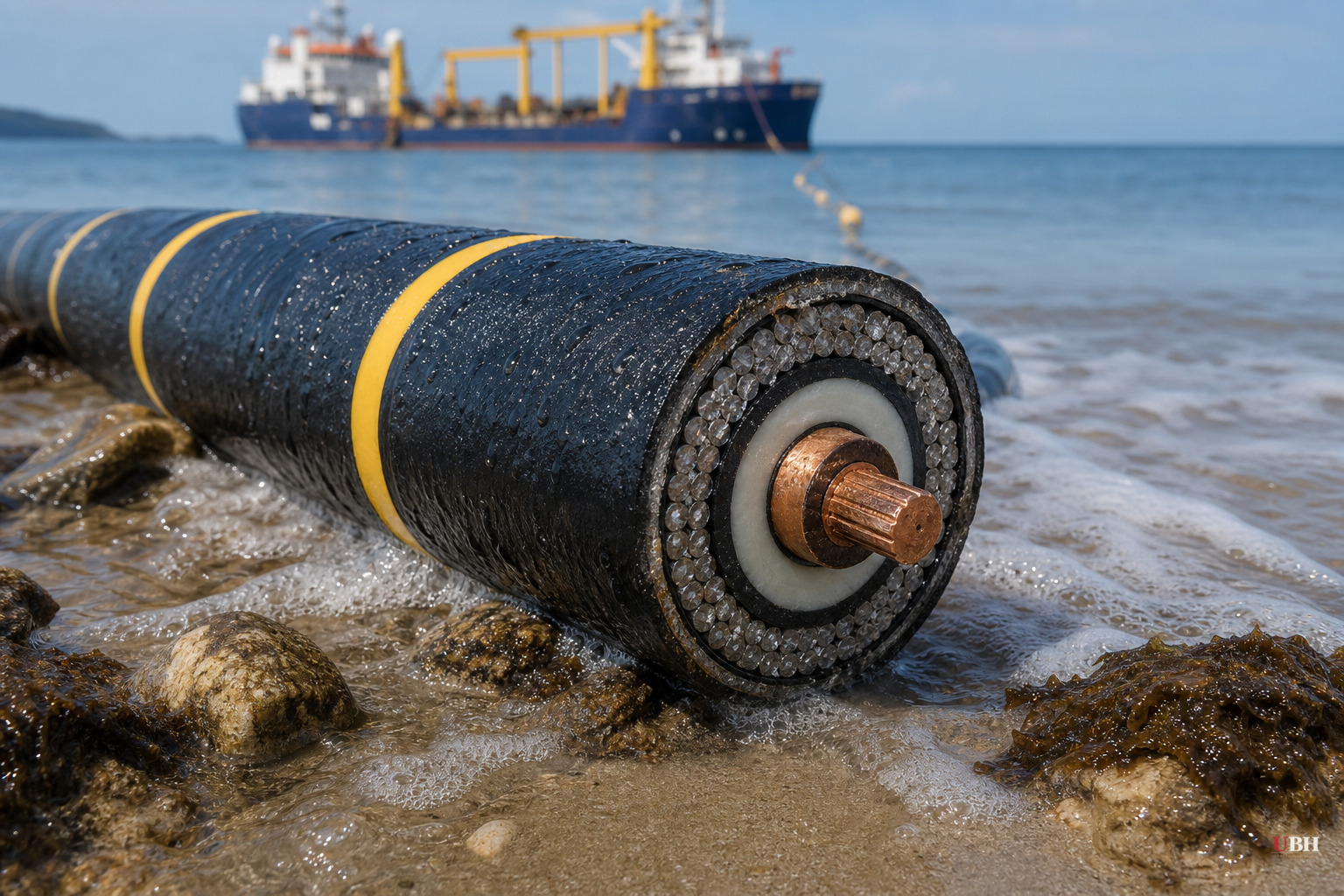
The State Department has notified Congress of a proposed $175.8 million initiative to replace aging undersea telecommunications cables across Central America and the Caribbean, according to a congressional notification obtained by the Associated Press. The goal is to keep Chinese firms from controlling the physical infrastructure that carries the region's internet and phone traffic.
The money would fund what the notification calls "the installation of strategically selected undersea cable infrastructure," helping governments in El Salvador, Guatemala, Honduras, and Haiti partner with private-sector cable companies. Nicaragua is on the list of countries that could benefit from the broader effort, but the AP reported Washington won't work directly with the Nicaraguan government given strained diplomatic relations.
This isn't a standalone project. According to an internal State Department planning document reviewed by the AP, the cable initiative is one slice of a much bigger package under consideration, worth close to $500 million, spanning the Western Hemisphere, Africa, and Asia. The document states plainly: "The United States must respond to the PRC's growing economic, technological, and diplomatic influence, which is undermining U.S. national interests."
Many of the proposed initiatives would restore programs suspended after earlier foreign aid cuts, meaning the administration is rebuilding infrastructure it previously dismantled.
Why Cables Matter
Undersea cables carry the overwhelming majority of the world's internet and data traffic. Whoever owns or services that infrastructure has enormous leverage over what flows through it and who can see it.
Steve Yates, a former White House national security adviser now with The Heritage Foundation, told the Daily Signal that Chinese control over regional cable infrastructure "creates persistent intelligence, surveillance, and disruption risks on America's southern approaches." Yates said Chinese influence is already substantial in ports, telecom equipment, space tracking facilities, and digital projects across the hemisphere, calling the cable initiative "a timely step to prevent further entrenchment before the costs of remediation rise."
A State Department official, speaking anonymously to the AP, said Chinese-backed infrastructure offers often look cheap upfront but come with a catch: cost overruns, hidden maintenance fees, and poor long-term performance that leave host countries paying more over time. That claim comes from an anonymous U.S. official with an obvious stake in the argument, not an independent audit of specific Chinese-built projects in the region.
The Political Backdrop
Rep. Randy Fine, a Florida Republican who recently took part in the first congressional delegation to visit Venezuela in over a decade, told the Daily Signal the administration's broader approach is working. He pointed to Venezuela and Colombia reestablishing relations with Washington as evidence that "the Chinese are abandoning things," and argued the U.S. needs to make clear "the Western Hemisphere belongs to America."
That's a political framing from a sitting Republican congressman, not an independently verified fact. Whether Beijing is actually retreating from the region, or simply recalibrating which countries it prioritizes, isn't something either source establishes with hard evidence.
The timing aligns with an FCC rule change. The Daily Signal noted the cable project aligns with Federal Communications Commission rules from June 2026 that tighten security standards, restrict Chinese equipment in U.S.-connected networks, and speed up deployment of alternative infrastructure. That regulatory lever is separate from the State Department money but points the same direction: squeezing Chinese vendors out of the physical layer of the internet.
What's Confirmed and What Isn't
The existence of the $175.8 million cable proposal and the roughly $500 million broader package is confirmed by the AP's review of the congressional notification and internal planning documents. Those numbers are real and now on record with Congress.
What isn't confirmed is Congress's approval. A notification to Congress is not the same as appropriated, spent money. Lawmakers can raise objections, slow-walk funding, or attach conditions before any of this becomes a signed contract with a cable company. Neither source reports that Congress has approved the funding.
Also unresolved: how much existing Chinese-linked infrastructure already sits in these five countries, and what it would actually cost to displace it. Yates argues the cost of remediation only rises the longer Washington waits, but neither the Daily Signal nor the AP's underlying reporting puts a number on current Chinese market share in Central American and Caribbean telecom infrastructure. That gap would need to close before anyone can judge whether $175.8 million is enough, too much, or nowhere close.
Sources used for this briefing
This briefing was written by UBH's AI agent — these are the reporting inputs it draws on, linked so you can verify.


