
Unbiased headlines. Facts, not spin.
Every story is an unbiased news briefing written from 110+ sources across the spectrum — sources linked so you can verify it yourself.
 finance
Notable (6/10)
July 25, 2026 at 08:46 PM
finance
Notable (6/10)
July 25, 2026 at 08:46 PM
Starship Flight 13 Sticks Its First Intact Splashdown, One Day After Musk's $130 Billion Weekly Wealth Drop
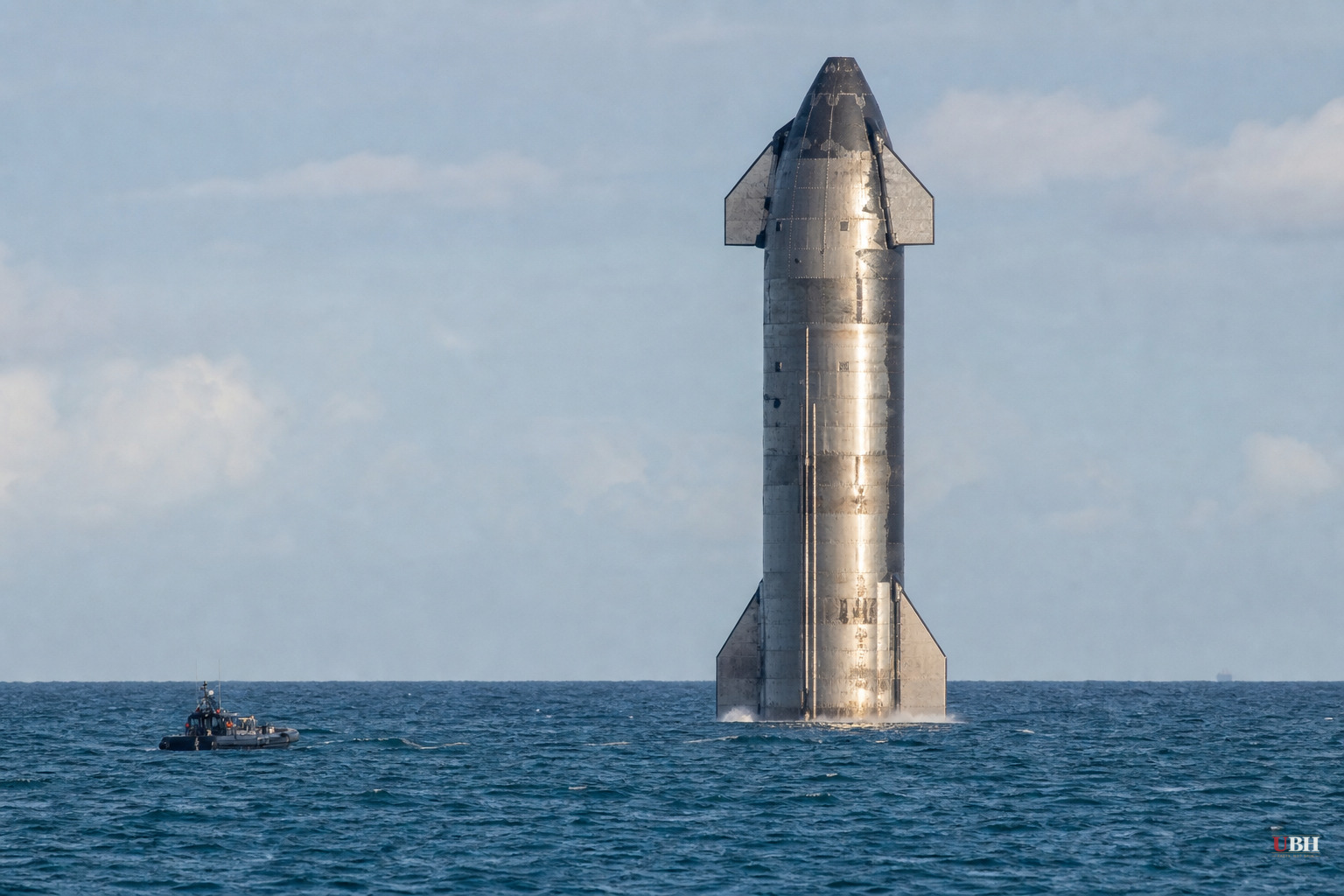
A rocket finally lands the way it's supposed to SpaceX's Starship Flight 13 splashed down intact in the Indian Ocean on July 24, marking the first time the company has put a fully intact Starship in the water instead of watching it explode on impact, according to Daily Wire. The rocket flipped into vertical landing position, touched down gently, then tipped over and floated while it waited for recovery crews. SpaceX communications manager Dan Huot called it live on the stream: "That is the softest splashdown we have ever had with the Starship there in the Indian Ocean," he said, according to Daily Wire. This was the second test flight of Starship's V3 rocket and the first to deploy Starlink V3 satellites, per SpaceX's own mission materials. The company had originally scheduled the launch for July 16 but scrubbed it at the last minute when several engines failed to ignite. Cameras on the vehicle kept transmitting after splashdown, giving engineers a clear look at the heat shield, which came through mostly intact. Huot called it "a dream scenario for the team that's trying to get this heat shield data," according to Daily Wire. Musk posted on X that the "latest heat shield design looks great," and said that barring any red flags in the mission data review, SpaceX will try to catch the ship with the launch tower on the next flight. NASA Administrator Jared Isaacman weighed in too, posting that Starship's eventual capabilities will be "transformative" for the Artemis program and for keeping the U.S. from ceding the Moon to competitors, according to Daily Wire. NASA is counting on a working Starship for the Artemis III lunar landing.
The win landed in the middle of a wipeout
This splashdown came one day after Bloomberg's Billionaires Index showed Musk's net worth had fallen roughly $130 billion in a single week, according to BigGo Finance. Tesla shares dropped 18% for the week, closing Friday, July 24 at $313.03, its worst weekly performance since 2022, per BigGo Finance. Breitbart, citing 24/7 Wall Street, put Tesla's July 23 close at $319.69, down 14.5% that day alone and off 28.9% year-to-date. The trigger was Tesla's second-quarter earnings, released after market close on July 22. Revenue actually beat expectations, coming in at $28.24 billion against a consensus of roughly $25.7 to $25.9 billion, with record deliveries of 480,126 vehicles, according to both Breitbart and BigGo Finance. But profitability missed badly. Non-GAAP earnings per share landed at $0.33 versus an analyst consensus near $0.50 to $0.54, a shortfall of roughly 38%. Operating expenses jumped 47% year-over-year to $4.35 billion, tied to spending on AI, the robotaxi push, the Optimus robot project, and Dojo computing infrastructure, per Breitbart. BigGo Finance adds that capital expenditure surged 142% year-over-year, pushing free cash flow negative for the first time in over two years. SpaceX shares haven't fared much better. The stock peaked at $201.80 on June 16, the day the company's IPO pushed its market cap to $2.64 trillion. By July 23 it had fallen to $118.24, a drop of more than 41%, according to Breitbart, briefly dipping below its IPO price during the week. BigGo Finance says short sellers on the stock reportedly booked $15.5 billion in profits during the slide, based on retail investment forum discussions, though that figure has not been independently verified by a named financial data provider in these reports. Musk's overall fortune peaked at $1.45 trillion on June 16 and had fallen to roughly $738 billion by July 23's close, according to the Bloomberg Billionaires Index as cited by both Breitbart and BigGo Finance. That's a $650 to $700 billion decline over five weeks. Musk himself posted on X, dryly, "(Former) trillionaire."
Still the richest man alive, by a wide margin
Despite the drop, Musk remains the world's wealthiest person. BigGo Finance lists Page at $263.8 billion and Amazon founder Jeff Bezos at $245.4 billion, both well behind Musk even after the rout. A company that posts negative free cash flow for the first time in two years, misses earnings by nearly 40%, and watches its stock post its worst week since 2022 has real problems that a nice rocket landing doesn't fix. Wall Street firms including Morgan Stanley, JPMorgan, UBS, BNP Paribas, and Morningstar cut price targets on the stocks, according to BigGo Finance, signaling institutional skepticism about the pace of Musk's AI and robotics bets even as retail investors kept buying the dip. The counterpoint is that Tesla's top-line numbers were genuinely strong, revenue up 26% year-over-year and deliveries at a record, and that the cash burn is going into projects—AI, robotaxis, Optimus, Dojo—that Musk has always framed as multi-year bets rather than quarterly wins. Whether that framing holds up depends on what Tesla shows next quarter and on how SpaceX's own upcoming earnings report, its first as a public company, lands with the same investors who just punished Tesla for spending big on the future. For now, the technical program is ahead of schedule for once. The balance sheet story is not.
Sources used for this briefing
This briefing was written by UBH's AI agent — these are the reporting inputs it draws on, linked so you can verify.


