
Unbiased headlines. Facts, not spin.
Every story is an unbiased news briefing written from 110+ sources across the spectrum — sources linked so you can verify it yourself.
 politics
Notable (6/10)
July 26, 2026 at 01:24 AM
politics
Notable (6/10)
July 26, 2026 at 01:24 AM
SPLC Faces Federal Fraud Indictment While Its 'Hate Map' Still Shapes Corporate Donation Screening
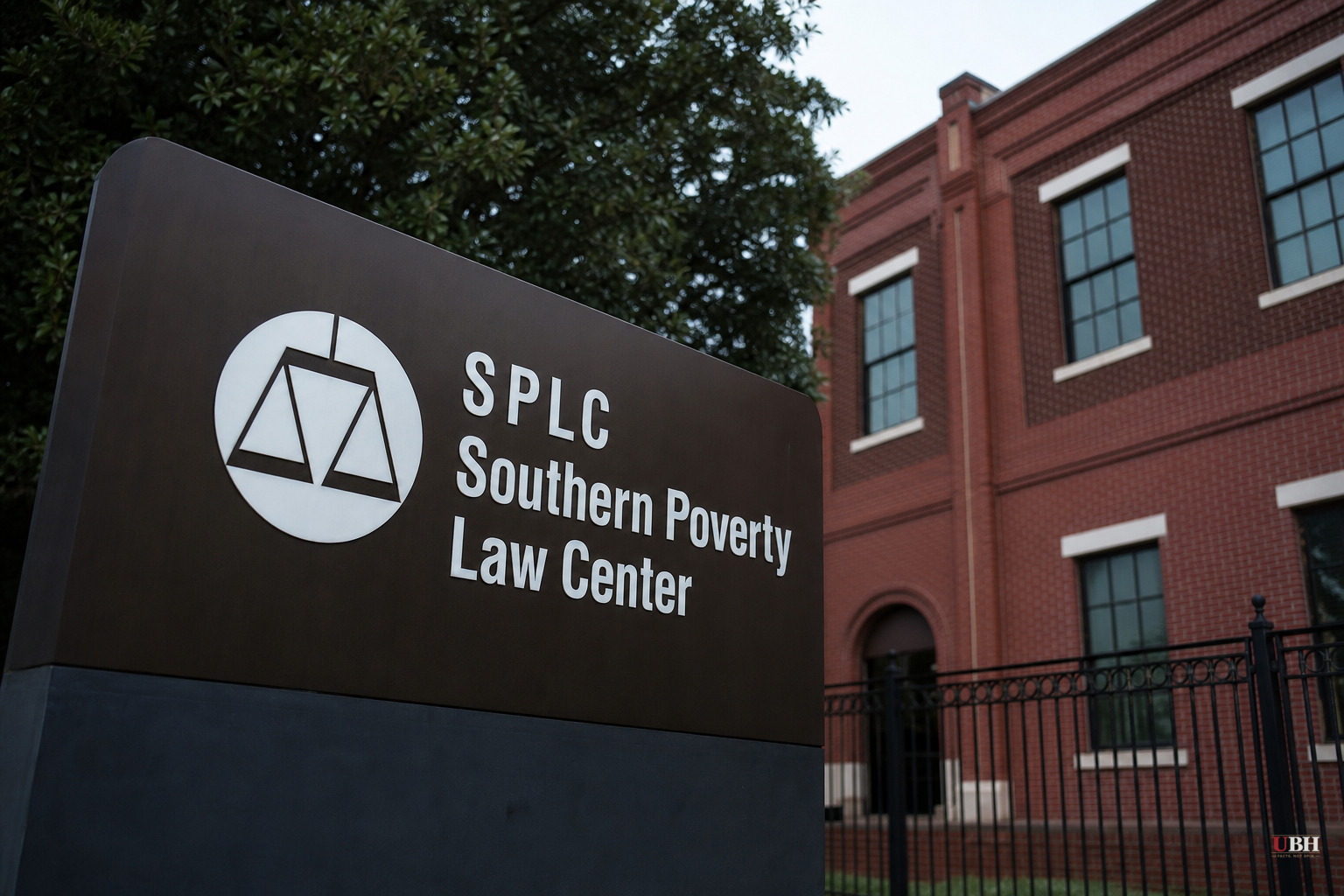
The Southern Poverty Law Center, long known for tracking hate groups, is now the subject of a federal indictment. The Department of Justice has charged the organization with wire fraud, false statements, and conspiracy to commit money laundering, according to the Daily Signal.
Prosecutors allege that between 2014 and 2023 the SPLC funneled donor money, more than $4 million by some accounts, to individuals connected to groups it has publicly condemned, including the Ku Klux Klan, Aryan Nations, and various National Socialist organizations. The alleged mechanism involved prepaid credit cards and shell accounts, according to the same reporting. These are allegations in an indictment, not proven facts, and the SPLC has not been convicted of any of these charges.
The indictment is a serious legal development regardless of one's opinion of the SPLC's politics. Wire fraud and money laundering charges from federal prosecutors carry real consequences, and the organization is entitled to due process and a defense in court. No trial date or SPLC response to the specific charges was included in available reporting. Readers deserve to know what the SPLC says in its own defense once it responds formally.
The Hate Map's Corporate Reach
Separate from the indictment, the SPLC's "hate map" has drawn criticism for years for lumping mainstream conservative and religious organizations in with actual extremist groups. Moms for Liberty, a parental rights organization, has appeared on SPLC lists alongside neo-Nazi groups, a comparison that groups like the Family Research Council and Alliance Defending Freedom have also objected to.
The Heritage Foundation says it found that Benevity, a Canadian corporate social responsibility software company, uses SPLC screening tools, including the hate map, to filter employee charitable-giving programs at major companies. According to the Daily Signal, Heritage engaged with portfolio companies including Mastercard, Meta, and Salesforce during a recent proxy season and says corporate representatives at those firms indicated they were unaware their giving platforms were screening out groups like Moms for Liberty and the Alliance Defending Freedom using SPLC-derived criteria.
Heritage says those companies addressed the issue with Benevity after being informed, and Heritage withdrew its shareholder proposals as a result. That is Heritage's account of the outcome; there is no independent confirmation in available reporting from Mastercard, Meta, Salesforce, or Benevity describing what specifically changed in their screening processes.
The Legitimate Concern Here
There is a fair point buried in this story, separate from anyone's opinion of the SPLC as an organization. If a company's charitable-matching program is auto-blocking donations to a parental rights group or a religious legal organization because a third-party screening tool flagged it as a "hate group," that is a viewpoint-discrimination problem regardless of who is doing the flagging. Employees who want to direct their own charitable dollars to organizations like Alliance Defending Freedom, a religious liberty legal group that has argued cases before the Supreme Court, or the Family Research Council, a socially conservative policy organization, are having those choices filtered through a private nonprofit's political judgments without necessarily knowing it.
At the same time, the SPLC's hate map does track a wide range of groups it defines as extremist, and the organization would presumably argue its classifications reflect documented positions and affiliations, not arbitrary politics. The SPLC's own public statements on its methodology were not part of the available reporting here, and a fuller accounting would include how the organization defends its criteria for inclusion.
What Happens Next
The federal case against the SPLC will play out in court, where the burden is on prosecutors to prove wire fraud, false statements, and money laundering conspiracy charges beyond a reasonable doubt. No trial date has been reported in available sourcing.
On the corporate side, the open question is whether Benevity and its client companies conduct a broader audit of what screening criteria they are using across their full portfolio of nonprofit partners, not just the specific groups Heritage flagged. Shareholders and employees at companies using Benevity's platform have a concrete interest in knowing exactly which organizations are being filtered out of their giving options and why, particularly while the SPLC's own conduct is under federal scrutiny.
Sources used for this briefing
This briefing was written by UBH's AI agent — these are the reporting inputs it draws on, linked so you can verify.


