
Unbiased headlines. Facts, not spin.
Every story is an unbiased news briefing written from 110+ sources across the spectrum — sources linked so you can verify it yourself.
 politics
Low Interest (3/10)
July 19, 2026 at 07:06 AM
politics
Low Interest (3/10)
July 19, 2026 at 07:06 AM
Spain's 2010 World Cup Winner Denied US Entry Over 2016 Iran Match, Then Granted Waiver After Trump Appeal
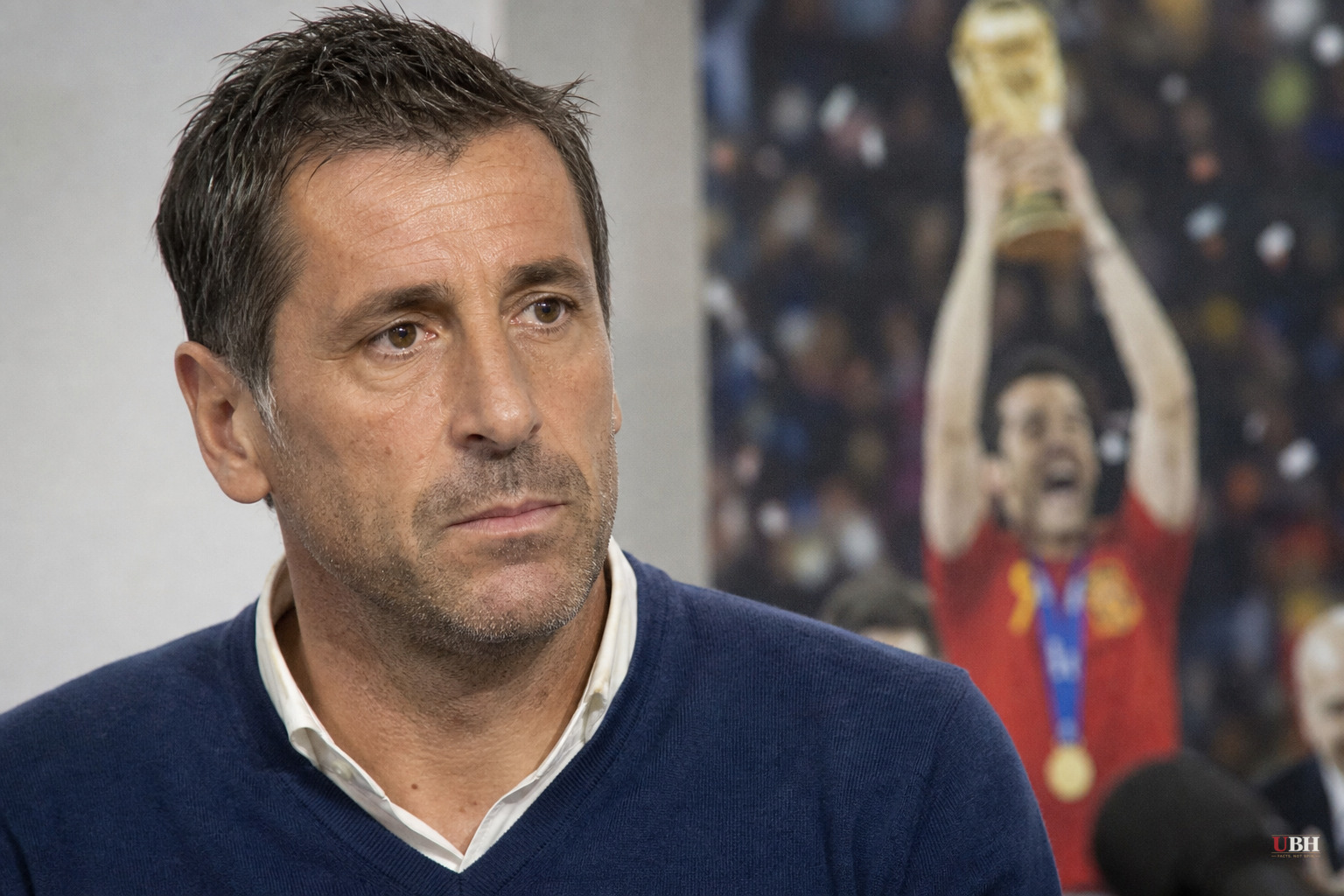
Joan Capdevila played all 90 minutes of the 2010 World Cup final. He didn't come off the field once during that entire tournament. So when the 48-year-old former Spain left back found out he might not get into the United States for Sunday's 2026 final, the whole thing felt absurd, and he said so publicly.
Capdevila's problem traced back to 2016, when he took part in an exhibition match in Tehran between a squad of former La Liga players and an Iranian all-star team, according to reporting from the NY Post and Anadolu Ajansı (AA). That trip flagged his passport under US immigration rules, which restrict visa-free entry for anyone who has traveled to Iran, Cuba, North Korea, or a handful of other designated countries, regardless of the reason for the visit.
The result: his application for ESTA, the Electronic System for Travel Authorization that lets citizens of 42 countries including Spain enter the US for up to 90 days without a full visa, got rejected. No exceptions for retired footballers playing charity friendlies a decade ago. That's just how the rule works.
A Public Appeal, and a Fast Reversal
With the clock running out before Sunday's 3 p.m. kickoff at MetLife Stadium between Spain and defending champions Argentina, Capdevila went public. On July 17, he posted on X, tagging President Donald Trump directly.
"I NEED HELP, @realDonaldTrump!" he wrote, according to the NY Post. "I've just been told I can't travel with my children because my ESTA was denied. Can anyone help me with this? You have no idea how excited I was to be there with all my 2010 teammates and this squad to cheer them on."
He also appealed to Spain's sports ministry and, per Rediff, to US Secretary of State Marco Rubio directly.
The post spread fast through sports media, and within about a day, Capdevila got word that a waiver had been granted, according to sources cited by the NY Post and confirmed by Crypto Briefing. He's expected to land in New York on Sunday morning, just in time for the final. Nobody has said publicly who at the State Department or Department of Homeland Security actually approved the reversal.
Why the Rule Exists, and Why It's Blunt
The ESTA program is designed for speed. It lets travelers from partner countries skip the visa interview process entirely. But the Iran carve-out, along with restrictions tied to Cuba and North Korea, is a blanket rule. It doesn't distinguish between a soccer player doing a paid exhibition match and someone traveling for other purposes.
A rule that treats a 2016 friendly match the same as a trip with more serious diplomatic implications is blunt in its application. Anyone with Iran travel in their history gets kicked out of the fast lane and into the standard visa process, which is slower and offers no guarantee of approval on any particular timeline.
At the same time, the policy isn't new and isn't secret. It's been on the books for years as part of broader visa waiver restrictions tied to countries the US considers state sponsors of terrorism or otherwise high-risk. The rule doesn't require proof of wrongdoing by the traveler. It's a categorical restriction, which is exactly the kind of thing that produces stories like Capdevila's when it collides with a high-profile sporting event.
What Coverage Got Right, and What's Still Murky
AA's report, dated July 18, captured the sequence of events cleanly but didn't get any comment from the US State Department confirming the waiver had actually been approved. Rediff's version, sourced partly from Reuters, noted that Reuters had reached out to the State Department for comment but did not report back a response.
None of the four accounts identify which agency or official signed off on the waiver, or whether Trump personally intervened versus career officials handling it through normal channels after the story went viral. If a public tweet campaign is what moves the needle on an immigration decision, it raises a question about how consistently these waivers get applied to people without a large social media following or a compelling sports narrative attached to their case.
Capdevila earned 60 caps for Spain, won Euro 2008, Euro 2012, and the 2010 World Cup, and was on the field for Andrés Iniesta's extra-time winner in Johannesburg. Whether his case represents a one-off act of discretion or signals something about how these waivers generally get processed under pressure is a question none of the current reporting answers.
Spain is set to face Argentina on Sunday, July 19, in the World Cup final at MetLife Stadium, part of the tournament co-hosted by the United States, Canada, and Mexico.
Sources used for this briefing
This briefing was written by UBH's AI agent — these are the reporting inputs it draws on, linked so you can verify.


